Why is Hermès so special?

Hermès is a French luxury brand that has gained global recognition for its exceptional craftsmanship, exquisite designs, and high-quality products. The brand’s history and unique features have contributed to its special status in the fashion industry. This paper will explore the history and magic of the Hermès brand, focusing on its timeless bracelets and scarves, equestrian lineage, the famous orange color, and the coveted Hermès ties.
History:
Founded in 1837 by Thierry Hermès, a French saddle maker who began producing harnesses and saddles for the carriage trade. The brand’s early success attributes to its exceptional craftsmanship, attention to detail, and dedication to quality. As the transportation industry evolved, Hermès began to expand its product line to include leather goods, clothing, and accessories.

Timeless Bracelets and Scarves:
One of the most iconic products in the Hermès line is the Hermès bracelet. The Hermès bracelet is a simple yet elegant design that has stood the test of time. Made of high-quality leather and features the signature Hermès H. The bracelet has become a symbol of luxury and elegance, worn by celebrities, fashion icons, and enthusiasts worldwide.
The Hermès scarf is another iconic product that has become synonymous with the brand. Introduced in the 1930s. And features intricate designs that showcase the brand’s commitment to artistry and craftsmanship. Made of high-quality silk and has become a symbol of luxury and sophistication.
Equestrian Lineage:

Hermès has a strong connection to the equestrian world, which has been a source of inspiration for many of the brand’s designs. The brand’s early success can be attributed to its exceptional craftsmanship in the production of harnesses and saddles. Today, Hermès continues to honor its equestrian heritage by incorporating elements of the equestrian world into its products, such as the signature horse and carriage logo.
The Famous Orange Color:
Hermès is also known for its signature orange color, which has become synonymous with the brand. The color was first introduced in the 1930s and was inspired by the natural color of the Hermès boxes used to package its products. The orange color has become a symbol of luxury and exclusivity, and it is instantly recognizable to consumers worldwide.
Hermès Ties:

Hermès ties are another coveted product in the brand’s line. The ties are made of high-quality silk and feature intricate designs that showcase the brand’s commitment to artistry and craftsmanship. The ties are often worn by CEOs and executives, and they have become a symbol of success and achievement.
And of course the “must have” Birkin bag which can run six figures!!

Conclusion:
In conclusion, the history and magic of the Hermès brand becomes attributed to its exceptional craftsmanship, exquisite designs, and high-quality products.
The brand’s timeless bracelets and scarves, equestrian lineage, the famous orange color, and the coveted Hermès ties have all contributed to its special status in the fashion industry. Hermès has established itself as a symbol of luxury, elegance, and exclusivity, and its products have become coveted by consumers worldwide. The brand’s commitment to quality and artistry has made it a true icon in the fashion industry.
Why is Hermès so special?
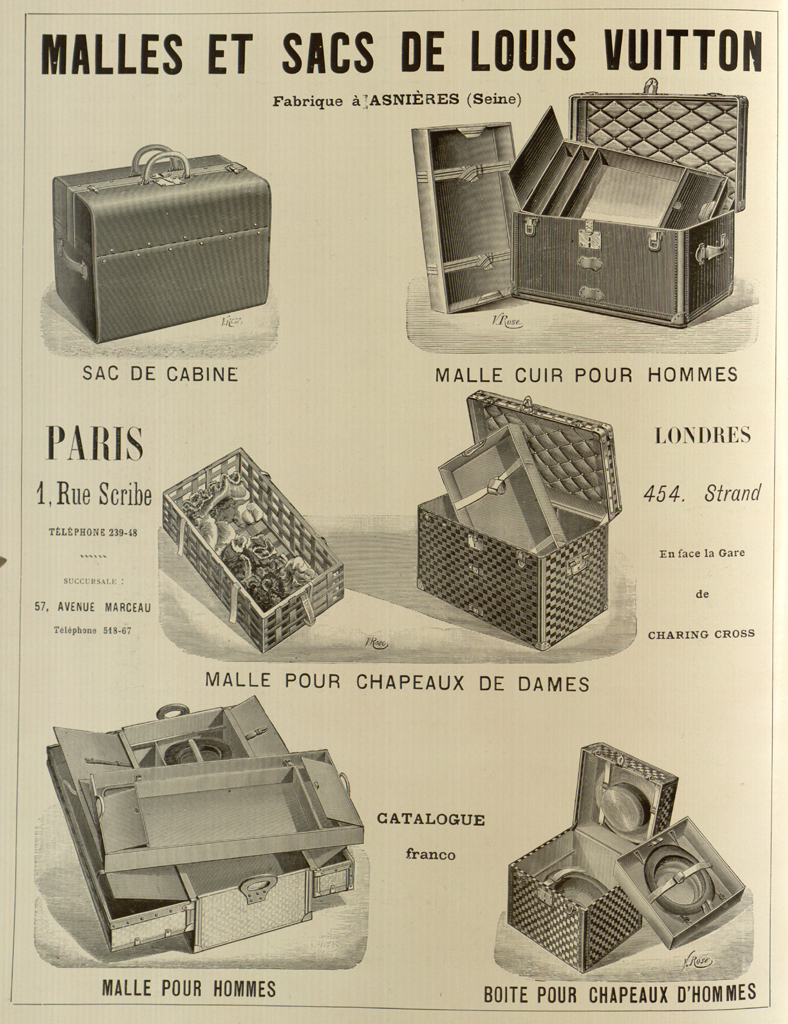
Villanova University Digital Library – Flickr: Advertisement for Louis Vuitton
Louis Vuitton is a French fashion brand that has become a household name for luxury products. Louis Vuitton is known for its high-quality products, and it charges premium prices for its items. This paper will explore how Louis Vuitton can charge higher than the rest of the market, focusing on two main factors: brand dominance and quality. We will explain these factors in economic terms to better understand how they contribute to Louis Vuitton’s pricing strategy.
Brand Dominance!
Brand dominance refers to a brand’s ability to control and dominate a particular market. Furthermore, brand dominance occurs through various mechanisms. Such as brand recognition, brand loyalty, and brand image. Louis Vuitton has established itself as one of the most dominant brands in the luxury fashion industry.
Brand Recognition:
Louis Vuitton has a strong brand recognition, which means that consumers can easily identify the brand and its products. This recognition is due to the brand’s long history and iconic designs. Consumers are willing to pay premium prices for Louis Vuitton products because they perceive the brand as being associated with high-quality and luxury.
Brand Loyalty:

Louis Vuitton established a strong brand loyalty among its customers.
Brand loyalty occurs when consumers prefer a particular brand over other brands. Louis Vuitton has a loyal customer base that is willing to pay high prices for its products. This loyalty is due to the brand’s reputation for producing high-quality and exclusive products.
Brand Image:

Louis Vuitton Malletier SAS – louisvuitton.com
Louis Vuitton has carefully crafted its brand image to appeal to its target market. The brand’s image is associated with luxury, sophistication, and exclusivity. Louis Vuitton has used various marketing strategies to create this image, such as celebrity endorsements, fashion shows, and collaborations with other luxury brands. The brand’s image has contributed to its dominance in the luxury fashion market.
Quality:
The quality of Louis Vuitton products is another factor that contributes to the brand’s ability to charge higher than the rest of the market. Quality refers to the degree of excellence of a product, and it is one of the main determinants of a product’s price.
Louis Vuitton products become made using high-quality materials!
Furthermore, manufactured with exceptional craftsmanship. The brand’s products are designed to last for a long time, which increases their value to consumers. Consumers are willing to pay premium prices for Louis Vuitton products because they perceive them as being of high quality.
Louis Vuitton also uses quality as a means of differentiating itself from other luxury fashion brands. The brand’s products are made with a high level of attention to detail, which sets them apart from other luxury fashion brands that may use cheaper materials and less skilled labor.
Conclusion:
In conclusion, Louis Vuitton can charge higher than the rest of the market due to its brand dominance and the high quality of its products. The brand has established itself as one of the most dominant brands in the luxury fashion industry through its brand recognition, brand loyalty, and brand image. The quality of Louis Vuitton products is also a significant factor that contributes to the brand’s ability to charge premium prices. Louis Vuitton’s pricing strategy is a reflection of its position as a luxury brand, which caters to a specific segment of consumers who are willing to pay for exclusivity and high quality.
Why does LV cost so much?
Why Balenciaga is so expensive?
Balenciaga, a French fashion brand founded by Cristóbal Balenciaga in 1917. Moreover, Balenciaga became known for its high-end fashion products such as clothing, handbags, shoes, and accessories. Balenciaga’s ultra-luxury items usually see a high sales tag. The high prices of Balenciaga products are due to various factors, such as the brand’s reputation, quality, and exclusivity. In this paper, we will explore how fashion brands set prices and the history of Balenciaga. We will also discuss the recent decline in Balenciaga’s popularity.
Setting Prices for Fashion Brands:
Fashion brands set their prices based on various factors. These factors include the cost of production, marketing and advertising costs, the brand’s reputation, and the exclusivity of the product. Fashion brands try to maintain a high level of exclusivity, which means that their products are not readily available to everyone. This exclusivity creates a demand for the products, which allows the brands to charge high prices.
The brand’s reputation also plays a significant role in setting prices. Luxury brands like Balenciaga have built a reputation for producing high-quality products. The reputation of the brand attracts a certain clientele that is willing to pay premium prices for the products.
Finally, the cost of production is another significant factor in setting prices. Luxury brands use high-quality materials and pay skilled artisans to create their products. The cost of these materials and labor is reflected in the final price of the product.
The History of Balenciaga:
Balenciaga was founded by Cristóbal Balenciaga in 1917 in Spain. In addition, Balenciaga quickly gained a reputation for producing high-quality and innovative designs. Balenciaga became famous for its unique designs, which included voluminous silhouettes, asymmetric shapes, and new materials. Lastly, Balenciaga also introduced the “baby doll” dress, which became a popular style in the 1950s.
After Cristóbal Balenciaga’s death in 1972, the brand experienced a decline in popularity. The brand was eventually acquired by the Gucci Group in 2001, which led to a revival of the brand. Under the leadership of Nicolas Ghesquière, the brand became known for its edgy and avant-garde designs. Ghesquière’s designs for Balenciaga gained a celebrity following, which helped to increase the brand’s popularity.
In 2015, Demna Gvasalia took over as the creative director of Balenciaga. Gvasalia’s designs for Balenciaga were known for their oversized silhouettes and the use of bold logos. Gvasalia’s designs were controversial, but they helped to establish Balenciaga as one of the most influential brands of the time.
The Decline of Balenciaga:
In recent years, Balenciaga’s popularity has declined. The brand’s sales have slowed, and it has been criticized for its reliance on logos and its lack of innovation. Some critics have suggested that the brand has become too commercial and has lost its edge.
One shoe designer said to us off the record; “I think they have cooled off in a major way.”
Balenciaga’s decline in popularity can be attributed to several factors. One factor is the changing tastes of consumers. Consumers are increasingly looking for sustainable and ethical fashion brands, which is something that Balenciaga has not fully embraced.
Another factor is the increased competition in the luxury fashion market. New brands, such as Off-White and Vetements, have emerged and have gained a following among younger consumers. These brands offer designs that are more affordable and more accessible than Balenciaga’s designs.
In conclusion, Balenciaga is an expensive fashion brand due to various factors, such as the brand’s reputation, exclusivity, and high-quality materials. The brand has a rich history of producing innovative designs, but it has
Why Balenciaga is so expensive?
What is going on with Balenciaga?
What is going on with Balenciaga?

Balenciaga – http://www.spottedfashion.com/wp-content/uploads/2011/04/balenciaga-logo.jpg
Balenciaga, the luxury fashion house, found itself at the center of a controversy. When it became accused of condoning pedophilia due to its use of children in an advertising campaign. See: What to Know About Balenciaga’s Campaign Controversy.
Moreover, the campaign, which was promoting the brand’s latest collection, featured several images of children dressed in provocative clothing and poses. As a result, leading many to accuse the company of sexualizing minors.

Almost immediately, there was a swift backlash on social media, with the hashtag #CancelBalenciaga trending on Twitter. Many people expressed their outrage and called for a boycott of the brand, accusing Balenciaga of being complicit in the sexualization of children and promoting a harmful and dangerous message.
The controversy also sparked a broader conversation about the fashion industry’s use of children in advertising and whether it is ethical or appropriate to use minors in such a manner. Some argued that Balenciaga’s use of children was not only inappropriate but also potentially harmful, as it could lead to the normalization of the sexualization of minors and put children at risk of exploitation.
Balenciaga initially defended its campaign, stating that the images were intended to be a commentary on the commodification of childhood and the commercialization of youth culture. However, the company eventually issued an apology, stating that it had “made a mistake” and that it had removed the images from its website and social media accounts.
The controversy surrounding Balenciaga’s campaign highlights the complex and often fraught relationship between fashion, advertising, and social norms. While the use of children in advertising has been a controversial issue for decades, the advent of social media has made it easier for consumers to express their outrage and hold brands accountable for their actions.
Ultimately, the Balenciaga controversy serves as a reminder of the power of social media and the importance of holding companies accountable for their actions. While the use of children in advertising remains a contentious issue, it is clear that consumers are increasingly vocal in their opposition to the sexualization of minors and are willing to take action to hold companies accountable for their actions.
What is going on with Balenciaga?
Who currently owns Gucci?
Gucci, an iconic a luxury fashion brand founded in 1921 by Guccio Gucci in Florence, Italy. Over the years, the company changed hands several times. Currently owned by the French luxury goods conglomerate Kering.
What Made Gucci Famous?
Kering, formerly known as PPR (Pinault-Printemps-Redoute), is a French multinational corporation that specializes in luxury goods, including fashion, jewelry, and watches. Kering acquired Gucci in 1999 for a reported $7 billion, marking one of the largest acquisitions in the history of the luxury industry.
In which country Gucci is cheapest?
Since the acquisition, Kering has invested heavily in Gucci’s growth and expansion, including revamping the brand’s product offerings and marketing strategies. The efforts have paid off, with Gucci experiencing significant growth and becoming one of the most valuable luxury fashion brands in the world.
In addition to Gucci, Kering owns several other luxury fashion brands, including Saint Laurent, Balenciaga, Bottega Veneta, Alexander McQueen, and Brioni. The conglomerate is known for its focus on sustainability and ethical practices, with Kering CEO François-Henri Pinault stating that the company’s goal is to be “not only the most successful, but also the most sustainable luxury group.”
Kering’s ownership of Gucci has been met with both praise and criticism. On one hand, the acquisition has allowed Gucci to expand and reach new markets, while on the other hand, some critics have expressed concerns over the homogenization of the luxury industry and the potential impact on smaller, independent brands.
Despite these debates, Gucci remains one of the most popular and recognizable luxury fashion brands in the world, with Kering’s ownership playing a significant role in the company’s continued success.
Do the Gucci family still own Gucci?
Do the Gucci family still own Gucci?
No, the family of the famous iconic fashion house has sold their shares in the firm.

The Gucci family is one of the most prominent and wealthy families in Italy, known for their involvement in the fashion industry. The Gucci brand, founded in 1921 by Guccio Gucci, became synonymous with luxury and style over the decades. However, the family’s control over the brand was lost in the 1990s when they sold their stake in the business.
The Gucci family was instrumental in building the brand’s reputation and making it a global fashion icon. However, as the brand grew and expanded, family members became increasingly divided over how to manage the business. In 1983, Maurizio Gucci, the grandson of the company’s founder, became CEO of the company, but his tenure was plagued by conflict with other family members, particularly his uncle Aldo Gucci.
In 1986, Aldo Gucci was convicted of tax evasion and fraud and sentenced to prison. As a result, led to a power struggle within the family, with Maurizio ultimately emerging as the clear leader of the company. However, despite his efforts to turn the business around, it continued to struggle financially.
In the early 1990s, Maurizio began seeking outside investors to inject capital into the business. This move was met with resistance from other family members who were wary of losing control over the company. In 1993, Maurizio was forced out of the company by a group of investors who had acquired a controlling stake in the business.
In 1995, the family’s remaining shares in the company were sold to a group of investors led by the French luxury conglomerate Pinault-Printemps-Redoute (PPR), now known as Kering. The sale of the company to a foreign investor was a controversial move that was met with criticism from many Italians who saw the sale as a betrayal of Italian heritage and tradition.
The sale of the company marked the end of the Gucci family’s involvement in the business. While they had built the brand into a global fashion powerhouse, their internal divisions and financial struggles had ultimately led to their loss of control. The Gucci brand, now part of Kering’s luxury portfolio, continues to thrive and remains a symbol of Italian fashion and luxury.
In conclusion, the Gucci family’s sale of their stake in the Gucci business marked the end of an era for one of Italy’s most prominent and influential families. Despite their contributions to the brand’s success, internal conflict and financial struggles ultimately led to their loss of control over the business. The sale to a foreign investor was controversial, but it allowed the brand to continue to grow and flourish under the ownership of one of the world’s leading luxury conglomerates.
Is Prada A Luxury Brand?

Prada S.p.A. – https://worldvectorlogo.com/logo/prada
Prada is still considered a luxury brand in the fashion industry. However, the respect for the products falls in the eyes of many we have spoken with.
The brand lost touch with its unique chiq designs that wowed consumers years ago. Today, it feels as though they are looking for every accessory they can find to slap a label on while offering Ready To Wear clothes that offer no inspiration.
Out went the inspiration, in went the “let’s slap our logo on whatever we can find.”
And in the eyes of a number of fashion executives we spoke with. The reputation for high-quality products, unique designs, and attention to detail still grabs the masses.
But, nothing we see outside of the physical brand makes us want to purchase a good.
Is Prada A Luxury Brand?
The history of the Prada brand is a story of innovation, luxury, and global success. Founded in Milan in 1913 by Mario Prada, the brand has undergone many changes over the years but has remained at the forefront of the fashion industry.
In its early years, Prada focused on creating high-quality leather goods, such as handbags, shoes, and luggage. The brand’s signature logo, featuring the company name and a coat of arms, quickly became synonymous with luxury and quality craftsmanship. By the 1920s, Prada had become a favorite of European aristocrats and high society.

In the 1970s, the brand’s fortunes began to decline, as younger consumers began to favor more casual styles.
However, in the 1980s, Miuccia Prada, Mario’s granddaughter, took over the company and brought a fresh perspective to the brand. Miuccia introduced a new line of women’s clothing that was innovative and forward-thinking, featuring unexpected combinations of materials and bold, geometric shapes.

The new direction paid off, and by the 1990s, Prada had become a global powerhouse in the fashion industry. The brand’s minimalist aesthetic and attention to detail made it a favorite of celebrities and fashion insiders. The company also expanded its offerings, introducing new lines of fragrances, eyewear, and accessories.
In 1993, Prada launched its sister brand, Miu Miu, named after Miuccia’s childhood nickname. Miu Miu is aimed at a younger audience and is known for its playful, feminine designs.
Today, Prada remains a major player in the fashion industry, with stores in cities around the world and a loyal customer base. The brand’s focus on quality, innovation, and luxury has made it an enduring icon of style and sophistication.
Is Prada A Luxury Brand?
Why is Dior so popular?

Christian Dior, one of the most iconic fashion houses in the world. Moreover, long associated with luxury, elegance, and timeless style. However, in recent years, the brand made a bold move! Towards more youthful and innovative designs, hitting all the right fashion trends in the ready-to-wear department. Unlike other luxury brands such as Prada or Chanel. Who rely solely on their brand name to sell their products. Dior is offering fresh and fun fashion to a whole new generation.

One of the main ways in which Dior is hitting the right fashion trends is through its use of bold colors and prints. The brand’s recent collections have featured bright hues such as fuchsia, coral, and lime green, as well as eye-catching prints such as animal print, stripes, and polka dots. These vibrant designs are a stark departure from the more subdued and traditional designs that have long been associated with the Dior brand, and are resonating with a younger and more fashion-forward audience.
Another way in which Dior is hitting the right fashion trends is through its use of streetwear-inspired designs. The brand’s recent collections have included oversized jackets, baggy trousers, and graphic t-shirts, all of which draw inspiration from the world of streetwear. These designs are a nod to the current trend for casual and comfortable clothing, and are resonating with a younger generation who are looking for clothing that is both stylish and practical.
In addition to its use of bold colors, prints, and streetwear-inspired designs, Dior is also hitting the right fashion trends through its use of sustainable materials and ethical manufacturing practices. The brand has made a commitment to reducing its environmental impact and has introduced a range of eco-friendly materials, such as organic cotton and recycled polyester, into its collections. This commitment to sustainability is resonating with a generation that is increasingly conscious of the environmental impact of their fashion choices.

Christian Dior SE – https://www.dior.com/fr_fr
All of these factors have contributed to Dior’s success in the ready-to-wear department, and have helped the brand to connect with a whole new generation of fashion-conscious consumers. Unlike other luxury brands that rely solely on their brand name to sell their products, Dior is offering fresh and innovative designs that are resonating with a younger audience. By hitting all the right fashion trends and embracing sustainability, Dior is positioning itself as a brand that is not only fashionable, but also socially responsible and in touch with the concerns of the modern consumer.
Why is Dior so popular?
Why is Chanel so expensive?

Chanel Inc. – http://www.chanel.com/
Chanel, one of the most iconic luxury fashion brands in the world, has long become associated with exclusivity, high-quality craftsmanship, and luxury. However, in recent years, the brand has faced criticism for losing touch with the mass consumer audience, with some pointing to the brand’s high prices and lack of innovation as key factors.
One of the main criticisms of Chanel is its steep prices. The brand’s signature purses, for example, can cost upwards of $8,000 to $10,000, putting them out of reach for most consumers. While luxury fashion brands certainly have the choice charge premium prices for their products, the high cost of Chanel products as a result, led some to question whether the brand is becoming too exclusive and out of touch with the average consumer.
Unknown author – http://www.parfumsraffy.com/history.html

arz – The photo was taken in Vilnius, Lithuania
Chanel No.5 eau de parfum.
Another criticism of Chanel is its lack of innovation. While the brand’s classic designs and timeless style have long been a hallmark of its success, some argue that the brand has become stagnant and is not evolving quickly enough to keep up with changing consumer tastes. Some critics have pointed out that the brand’s designs have remained largely the same for decades, with little to no new ideas or concepts being introduced.
In addition to its high prices and lack of innovation, some have criticized Chanel for its limited range of sizes and lack of inclusivity. The brand’s clothing and accessories are often only available in very small or very large sizes, leaving many consumers feeling excluded. Additionally, the brand has been criticized for its lack of diversity both in its advertising campaigns and in its hiring practices.
All of these factors have contributed to the perception that Chanel is losing touch with the mass consumer audience. While the brand undoubtedly has a loyal following of wealthy customers who are willing to pay top dollar for its products, it risks alienating a broader base of consumers who are looking for more affordable luxury options that reflect their values and lifestyle.
Who is running Chanel now?
In conclusion, Chanel is a brand that has long been associated with luxury, exclusivity, and quality. However, in recent years, the brand has faced criticism for its high prices, lack of innovation, and limited inclusivity. If Chanel wants to remain relevant in a rapidly changing fashion landscape, it will need to address these issues and find ways to connect with a broader base of consumers. Whether or not the brand is able to do so remains to be seen, but it is clear that the luxury fashion industry as a whole is evolving, and brands that fail to adapt may find themselves left behind.
Why is Chanel so expensive?
w?
Society
As one of the most iconic fashion houses in the world, Chanel always found itself renowned for its exceptional craftsmanship and attention to detail.
However, the recent Ready-to-Wear line by Virginie Viard, the brand’s current Creative Director, met mixed reviews to absoutely terrible reviews.
While the brand’s accessories, bags, and shoes continue to be top-notch, some fashion critics have gone so far as to label the brand’s Ready-to-Wear line as “garbage.” Of course off the record, as not a fashion exec around wants the “Wrath of Chanel” on their plate! As a news site we have the benefit of simply reporting what we find. Irregardless of feelings and industry clout!
Viard’s take on Chanel Ready-to-Wear became characterized by a departure from the classic Chanel aesthetic long associated with the brand. Instead of the timeless, elegant designs that Chanel became known for, Viard has opted for a more casual, streetwear-inspired look. This includes oversized jackets, baggy pants, and sneakers, which have been met with criticism by some fashion critics.
One of the main criticisms of Viard’s Ready-to-Wear line is that it lacks the attention to detail that Chanel is known for.
While the brand’s accessories, bags, and shoes continue to be meticulously crafted, the same cannot be said for the Ready-to-Wear line. Some have noted that the finishing on the clothing is sloppy, with loose threads and haphazard stitching. Others have criticized the quality of the materials used, with some pieces feeling cheap and flimsy.
Another criticism of Viard’s Ready-to-Wear line is that it lacks the innovative spirit that has always been at the heart of the Chanel brand. While Viard has certainly made some changes to the brand’s aesthetic, many have argued that these changes are not significant enough to move the brand forward. Instead, the Ready-to-Wear line feels like a watered-down version of the classic Chanel look, lacking the creativity and originality that the brand has always been known for.
Despite these criticisms, it is important to note that fashion is always subjective, and what one person sees as “garbage” may be another person’s treasure. While some fashion critics may not be fans of Viard’s Ready-to-Wear line, there are undoubtedly many Chanel fans who appreciate the brand’s more casual, streetwear-inspired look. Additionally, it is worth noting that Viard is a talented designer who has undoubtedly put a great deal of thought and effort into the Ready-to-Wear line.
In conclusion, while there are certainly valid criticisms of Virginie Viard’s Ready-to-Wear line at Chanel, it is important to take a nuanced view of the collection. While the brand’s accessories, bags, and shoes continue to be elite, the Ready-to-Wear line may not be to everyone’s taste. However, it is clear that Viard is a talented designer who has made an effort to update the Chanel aesthetic for a modern audience. Whether or not this approach is successful is ultimately up to each individual to decide.
Who is running Chanel now?
What is the history of Chanel?
Chanel is a French fashion brand that was founded by Gabrielle “Coco” Chanel in the early 20th century. Here is a brief history of the brand:
Early years:
In 1909, Coco Chanel opened her first millinery (hat-making) shop in Paris.
In 1913, she opened a boutique in the seaside town of Deauville, France, selling simple yet elegant clothing for women.
Chanel’s designs became characterized by their use of jersey fabric, a departure from the stiff, structured clothing of the time.
During World War I, Chanel closed her boutiques but continued to design and create clothing.
In 1921, she launched her first perfume, Chanel No. 5, which became an instant classic.
The 1920s and 1930s:
- Throughout the 1920s, Chanel continued to design clothing that emphasized comfort, simplicity, and ease of movement.
- She popularized the “little black dress,” which became a staple of women’s wardrobes.
- In 1924, Chanel introduced the now-iconic Chanel suit, which consisted of a collarless jacket and a skirt.
- During the 1930s, Chanel’s business continued to grow, and she opened new boutiques in Biarritz, Cannes, and London.
World War II and beyond:
During World War II, Chanel closed her boutiques again and lived in Switzerland for a time.
After the war, she returned to Paris and reopened her fashion house, but the public was slow to embrace her designs.
In the 1950s, Chanel made a comeback with a new collection that included the now-famous Chanel 2.55 handbag.
In the 1960s, Chanel introduced the Chanel No. 19 perfume and collaborated with artists such as Salvador Dali and Pablo Picasso.
Chanel passed away in 1971, but the brand continued under the leadership of Karl Lagerfeld, who became the head designer in 1983.
Under Lagerfeld’s leadership, Chanel continued to evolve and expand, introducing new collections and opening boutiques around the world.
In 2019, Lagerfeld passed away, and Virginie Viard became the new creative director of Chanel.
Today, Chanel is one of the most recognizable and iconic fashion brands in the world, known for its classic designs, luxurious materials, and timeless style.
How many luxury brands does LVMH own?

LVMH Analysis : An Analysis of LVMH : Behind European Luxury
How many luxury brands does LVMH own? Formed in 1987 after a merger between fashion house Louis Vuitton and wine and spirits company Moët Hennessy, LVMH has since become one of the two most valuable companies in Europe (only to be rivaled by Swedish food giant Nestle), with a market capitalization of $336.3 billion.
The French luxury conglomerate now consists of 75 independently-managed subsidiaries that fall under six branches:
Wine & Spirits, Fashion & Leather Goods, Perfumes & Cosmetics, Watches & Jewelry, Selective Retailing, and Miscellaneous Activities. Notable brands include, as the name suggests, Moët & Chandon, Hennessy, and Louis Vuitton, but also extend to other prestigious labels like Christian Dior, Fenty, and Tiffany & Co.
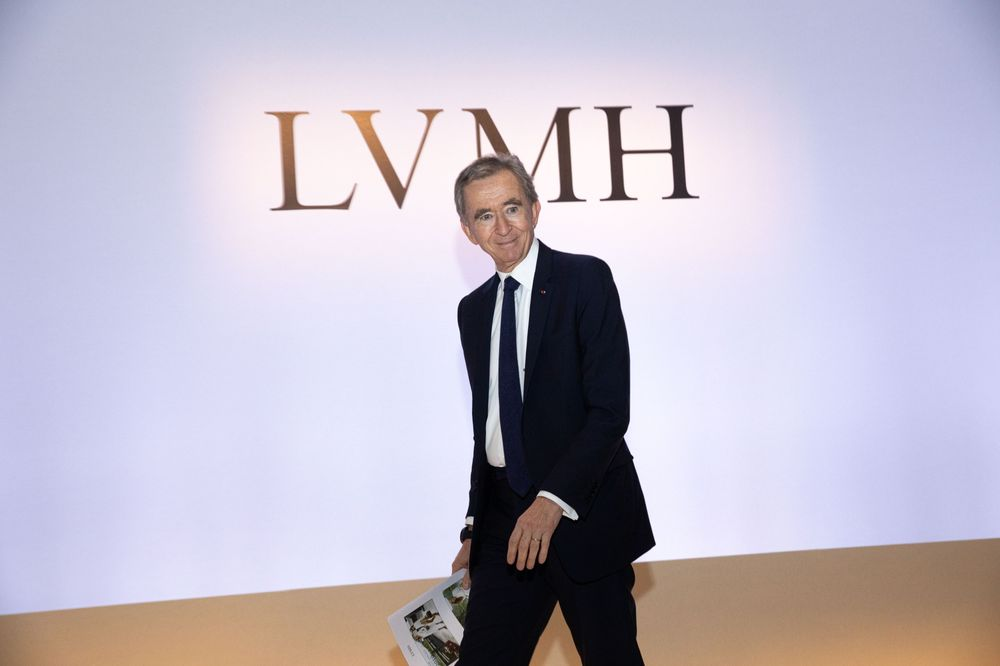
In 1989, Bernard Arnault acquired the largest stake in LVMH through an internal takeover that culminated in his ownership of 43.5% of LVMH stock and 35% of voting rights. As chairman and CEO, he has run the company under six central principles: decentralized organization, organic growth, vertical integration (i.e., owning entire supply and distribution chains), creation of synergies, sustained savoir-faire, and balance across business segments and geographies. These philosophies have guided the company to a prolific number of acquisitions over the past three decades, including Celine in 1996, Sephora in 1997, Fendi in 2001, and more recently, Fenty in 2019 and Tiffany & Co. in 2021.
In 2020, the luxury conglomerate earned €44.7 billion in revenue, employed 150,000 workers, and maintained over 5,000 stores across the globe despite the global pandemic. While the company did suffer a 17% fall in revenue (down from €53.7 billion in 2019) due to the effects of the pandemic on consumer spending, it maintained strong sales from fashion houses Louis Vuitton and Dior, as well as cognac-producer Hennessy.
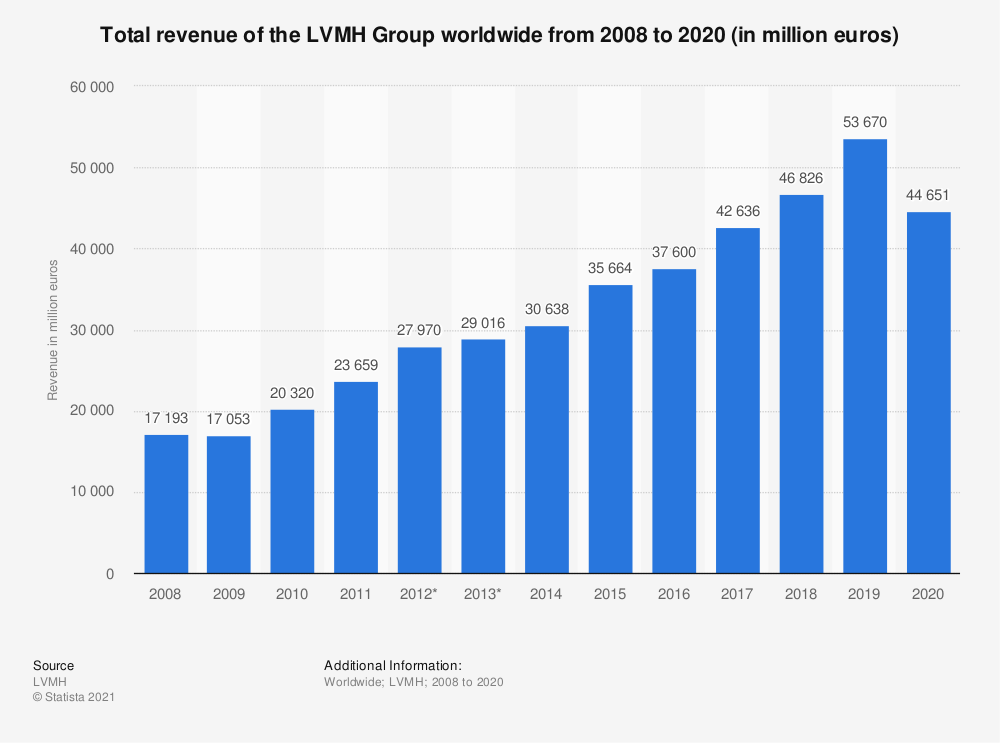
These mainstays not only buoyed LVMH’s loss in revenue throughout 2020, but have also been essential to the conglomerate’s rebound in the first quarter of 2021.
In their mid-April press release, the company reported a revenue of €14 billion for Q1 2021, up 32% from the same period in 2020 and even up 8% from Q1 2019, indicating overall growth of the company rather than mere recovery. Although LVMH does not report revenues from individual houses, it reported record levels of sales from their Fashion & Leather Goods sector, especially in the US and Asia, where vaccine distribution is accessible and stores are reopening.
LVMH is notorious for its expansion of its vast network of luxury subsidiaries through mergers and acquisitions, and it dwarfs its competing conglomerates Richemont and Kering in terms of size. In investing in small modern brands and revitalizing older maisons, LVMH continues to grow its profits and expand its reach in the luxury sector. Two particularly notable examples include increased investment in Rihanna’s Fenty lines and LVMH’s recent acquisition of Tiffany & Co. during the pandemic.
Case Study of Rihanna’s Fenty
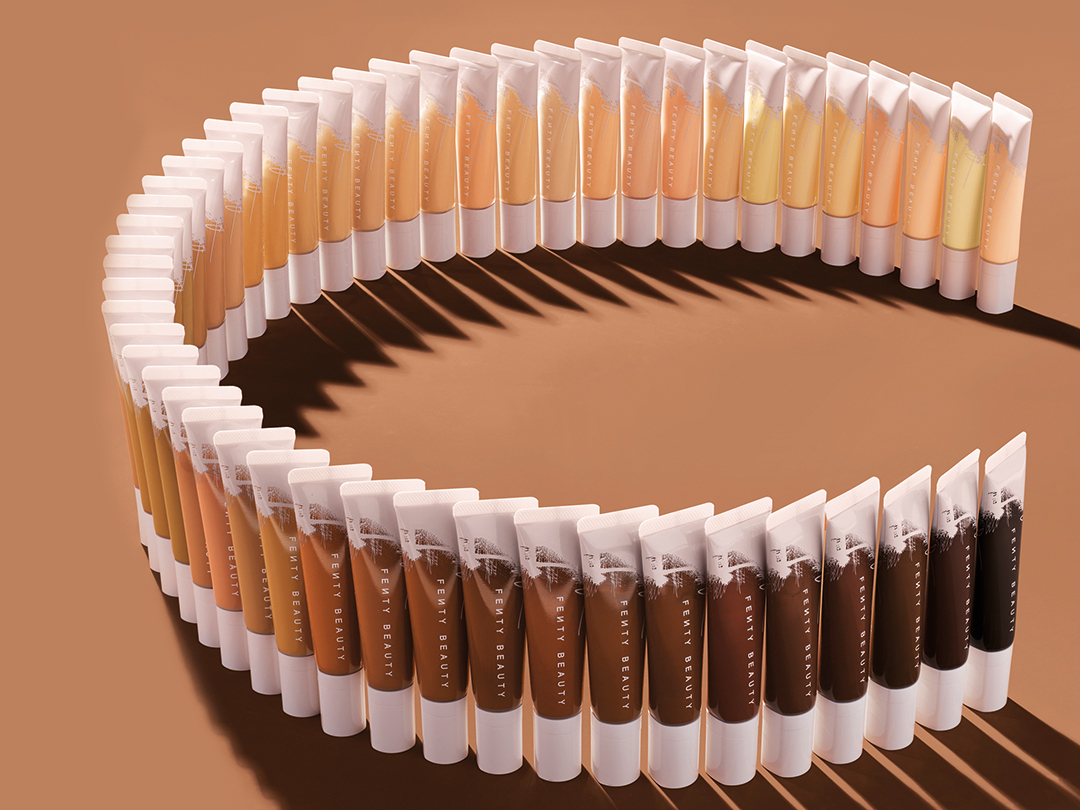
In 2017, Rihanna launched Fenty Beauty, a cosmetic line developed with LVMH through its subsidiary Kendo, a beauty incubator that creates and acquires beauty brands and develops them into international powerhouses. Her mission in creating Fenty was to introduce more diverse offerings “so that people everywhere would be included” in the beauty industry; the industry has long struggled to provide an inclusive range of foundation shades that caters to people of color, especially those of darker skin tones.
Upon the product launch of Fenty Beauty’s Pro Filt’r Soft Matte Longwear Foundation, Fenty Beauty offered 40 different shades, for all skin tones and types, and has since expanded their range to 50 shades. Additionally, all Fenty Beauty products were sold at midpoint prices (between drug-store and designer price points) both in-store at Sephora’s and online at Fenty Beauty’s website, making Rihanna’s products accessible to a wide audience. In addition, in its first 40 days, Fenty made $100 million in sales. Moreover, in 2020, Fenty Beauty generated an estimated revenue of $570 million.
In 2018, after the success of Fenty Beauty. Furthermore, Rihanna proceeded to launch her lingerie line Savage x Fenty, which followed the same philosophy as its predecessor and sought to make intimates more accessible to all body types.
This marked a departure from the decades-long industry norm defined by powerhouse Victoria’s Secret, where “beauty” was synonymous with “white and thin.” Rihanna’s subversion of this norm through inclusive size offerings and marketing toward women of all races rapidly increased her market share. As of 2021, Savage x Fenty has reached a valuation of $1 billion and posted revenue growth of over 200%. It also increased its VIP membership base by more than 150% in the past year.
“The brand strikes a unique balance between affordability, fashion and comfort, stands deeply for inclusivity and diversity, and has differentiated itself by building an extraordinary level of affinity and unmatched customer loyalty,” says Jon Owsley, co-managing partner of L Catterton’s growth fund. Savage x Fenty is favored to be the global lingerie market leader by 2025.
In 2019, Rihanna continued to expand her Fenty empire, announcing her partnership with LVMH to launch her luxury fashion label Fenty.
The new maison offered ready-to-wear clothing, handbags, and other accessories. LVMH provided Fenty access to its global supply chains, expertise in luxury retail, and investment funds, banking on Rihanna’s celebrity status and previous record of success for a monumental break into the high fashion industry. However, Fenty’s sales failed to take off and only further slowed during the pandemic. Consequently, LVMH and Rihanna came to the joint decision of indefinitely hitting pause on the new fashion house. LVMH pledged continued support for Rihanna’s existing Fenty lines, including her Fenty Skin venture that launched in 2020. In a joint statement to WWD, LVMH and Rihanna “reaffirmed their ambition to concentrate on the growth and the long-term development of [the] Fenty ecosystem focusing on cosmetics, skincare, and lingerie.”
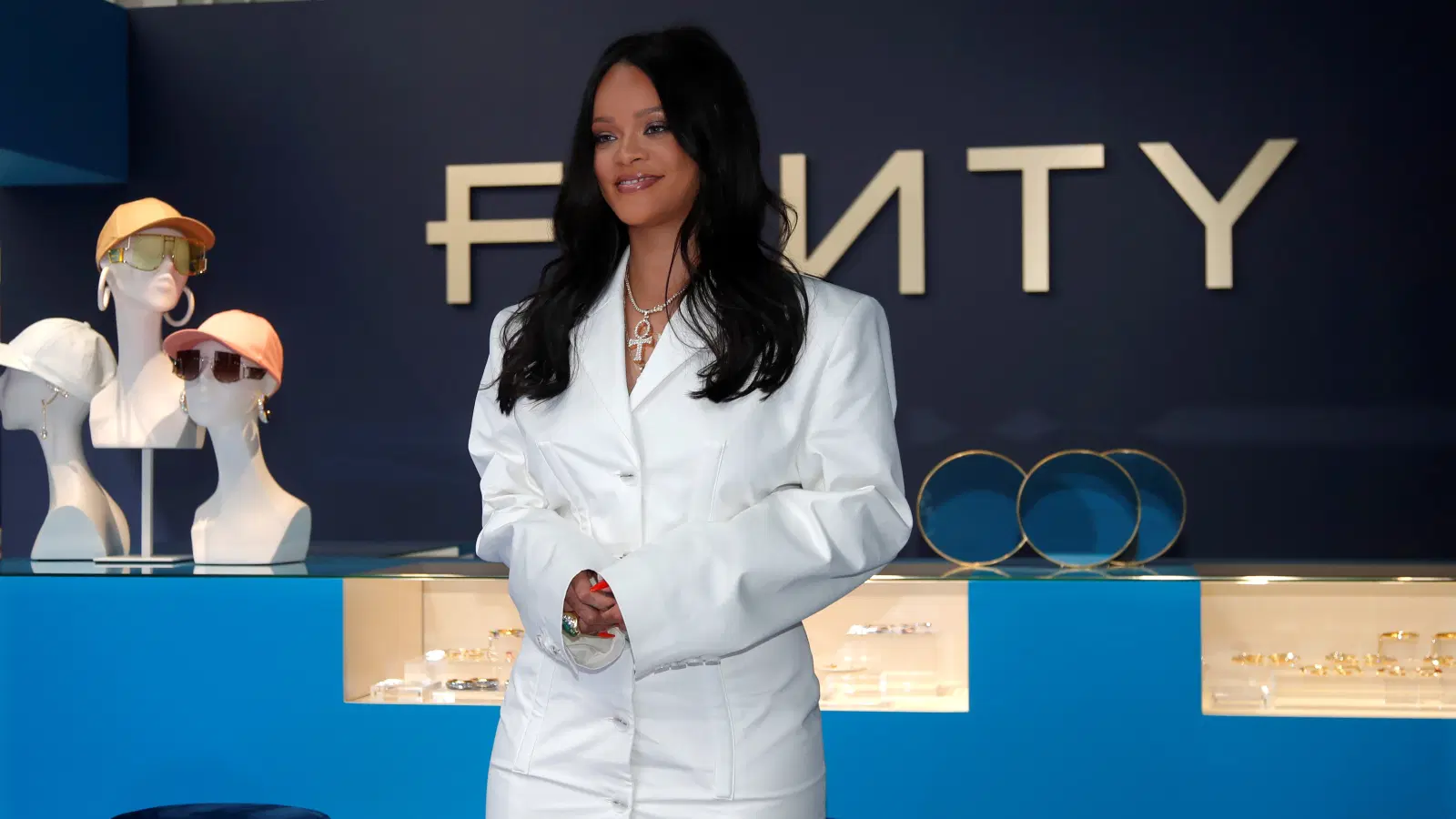
LVMH’s investment in Rihanna’s Fenty lines marked a shift toward modernity through the embracing of not only modern social values (e.g., diversity and inclusion in sizing, access, and marketing) but also the power of celebrity. The accessibility of Rihanna’s products through both skin and body range and price point, in conjunction with her significance in pop culture (most downloaded recording artist of all time, according to the Recording Industry Association of America) and her presence on social media (100 million followers on Instagram and 102.4 million on Twitter), have been the main drivers behind her commercial success. In short, as W magazine puts it, “[Rihanna] has made an empire out of putting an emphasis on making sure that any person of all genders and body types can feel confident…”, and has converted her loyal musical fan base into a large consumer base for her Fenty products.
Case Study of Tiffany & Co.
In the fourth quarter of 2019, media outlets broke the news that LVMH had approached luxury jeweler and specialty retailer Tiffany & Co. with a takeover offer, with a starting bid price of $120 per share (i.e. valuing Tiffany at approximately $14.5 billion, 14 times the target’s projected earnings before interest, taxes, depreciation, and amortization). Analysts attributed this to the conglomerate’s desire to expand into the global jewelry market; according to Bain & Co., the market expanded 7% in 2018, establishing itself as the fastest-growing industry in the luxury sector.
Tiffany appeared to be an ideal purchase, as the house has few competitors at its caliber (only Richemont-owned Cartier and LVMH-owned Bulgari) and runs their own diamond-finishing facilities (aligning with Mr. Arnault’s philosophy of vertical integration). Furthermore, LVMH noted that buying an American company would expand their presence not only in the US, giving the French conglomerate increased exposure to US dollar-denominated revenue and decreased foreign exchange risk, but also in China, where Tiffany has been planning to build additional flagships.
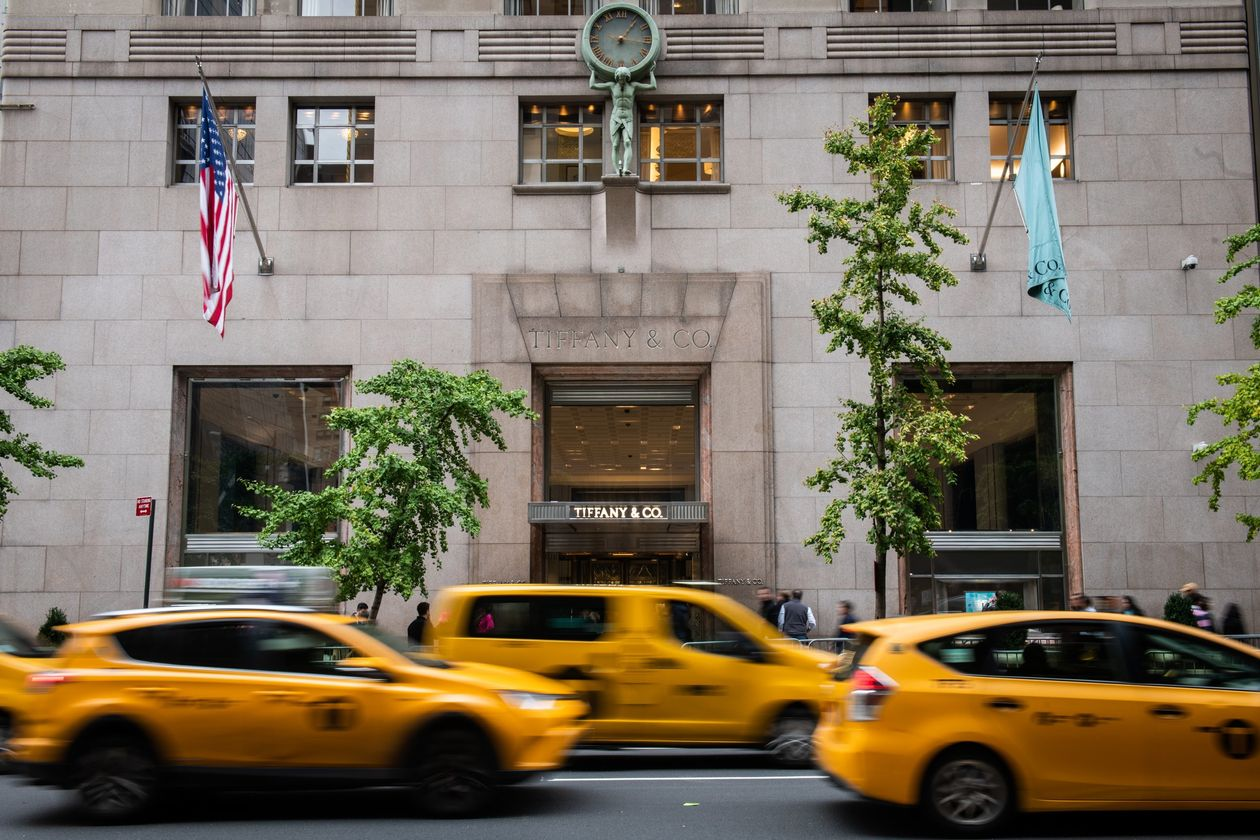
Prior to the acquisition, Tiffany & Co. boasted 300 store locations worldwide and an annual revenue of approximately $4 billion. However, when the jeweler started experiencing stagnating sales that fell behind its European competitors, LVMH saw an opportunity to acquire the company.
Arnault is known for acquiring older houses with established heritage and revitalizing them by capitalizing on modern interpretations of brand classics, as seen through his acquisitions of Dior and Louis Vuitton.
It was expected that Tiffany would receive similar treatment, as the brand not only champions the classic Tiffany Blue color, but is also built into modern pop culture via Breakfast at Tiffany’s, starring fashion icon Audrey Hepburn.
Later in the fourth quarter of 2019, LVMH and Tiffany & Co. settled on an asking price of $135 per share, valuing the deal at $16.2 billion–a 12% increase from the initial offer and 16.3 times the target’s projected earnings before interest, taxes, depreciation and amortization. It was announced that the conglomerate would pay all cash for Tiffany’s shares and finance the deal through bonds. LVMH announced their confidence in the future potential of their pending acquisition; it promised to provide liquidity to launch new product lines, upgrade existing boutiques, and market to younger audiences (especially through its wide range of prices, from a few hundred for sterling silver pieces and up to millions for fine jewelry). Mr. Arnault also signaled that he would invest more heavily in Tiffany’s high-end jewelry offerings (such as its high-carat diamond necklaces) and work to launch new product lines to modernize the brand.
However, the unprecedented pandemic caused a large drop in consumer spending in the luxury-goods market.
With restrictions on travel, tourist shoppers (the lifeblood of the luxury industry) could no longer purchase in-store at Tiffany flagships and boutiques. According to Oppenheimer & Co., foreign spending accounts for over 20% of Tiffany’s sales. Additionally, 94% of Tiffany’s sales are made in-store. Consequently, depressed foreign demand and temporary store closures resulted in a 37% fall in worldwide sales in the second quarter. In June 2020, LVMH began expressing doubts about their impending acquisition of Tiffany, as many once attractive aspects of the company had been whittled away by pandemic-induced circumstances.
More specifically, the conglomerate had wanted to capitalize on its expertise in European in-store retail and its relationship with European landlords to grow Tiffany’s presence in Europe, where tourist shopping accounts for about 50% of luxury sales. Travel restrictions and public health safety concerns could serve as a long-term hindrance to sales growth. RBC analysts estimated that Mr. Arnault had not expected the Tiffany deal to make a return on his investment until 2025, but the pandemic would only lengthen this timeline even further.
In addition, amidst the pandemic, LVMH found it especially difficult to cut costs due to their commitment to the business model of vertical integration (where they produce their goods in-house and operate the boutiques that sell their fashion and leather goods, cosmetic products, and watches and jewelry).
Thus, while other companies were able to cancel orders from their third-party manufacturers in anticipation of depressed demand, LVMH had to absorb the costs of their own paused supply chains and closed distributors.
As a result, in the first half of 2020, LVMH’s profits plunged 84% while revenue declined by 27% compared to the same period in 2019. This strained LVMH’s finances, and in conjunction with Tiffany’s performance during the pandemic, led the conglomerate to reconsider their upcoming purchasing and to find ways out of their acquisition contract with Tiffany. The terms of the original agreement dictated that Tiffany could pay a termination fee of $575 million to abandon the deal, but LVMH was not given an option to exit the deal.
The conglomerate took three different exit routes in order to invalidate the deal.
In September of 2020, LVMH’s chief financial officer Jean Jacques Guiony announced that the French government had sent the conglomerate an unsolicited, valid and legally binding order to hold off on closing the Tiffany deal until January 2021, due to a brewing trade dispute between the Trump administration and France over tariffs on luxury goods. This ordered delay would violate the terms of the deal, which set the closure deadline to November 2020. If an agreement could not be reached by then, the deal would be void. Mr. Guiony claimed that LVMH had “no other choice but to apply this decision,” but Tiffany Chairman Roger Farah responded that “LVMH [was seeking] to use any available means in an attempt to avoid closing the transaction on the agreed terms” and that there was “no basis under French law for the Foreign Affairs Minister to order a company to breach a valid and binding agreement.” To ensure enforcement of the merger, or at least payment of damages in the case that LVMH walked out on the deal, Tiffany filed a lawsuit against LVMH in Delaware Chancery Court, which historically sided with companies who were being bought out in merger and acquisition cases. It was later leaked that LVMH had approached the French government for assistance to back out of the Tiffany deal, invalidating LVMH’s claim that the letter they had received from the French foreign affairs minister was unsolicited. This led the conglomerate to resort to two alternative methods.
LVMH countersued, arguing that Tiffany had suffered a material adverse event (MAE), which under the merger agreement, would have allowed the conglomerate to walk away from a deal before closing. Although the merger contract had never explicitly stipulated that a pandemic was a material adverse event, LVMH claimed that the coronavirus crisis was considered a change in circumstances that significantly reduced the value of the company, and would continue to in the long-run due to the secondary effects of the pandemic (e.g., shift toward e-commerce and reduced travel). However, their argument was weakened by the fact that a MAE cannot be called upon if the event or economic downturn impacts an industry as a whole, rather than a specific company. LVMH overall faced long odds, as the Delaware court had historically only allowed one previous buyer to back out of a merger under the argument of a MAE.
The luxury conglomerate also claimed that the merger was invalidated due to Tiffany’s mismanagement of the firm during the pandemic, filing in a complaint that Tiffany “[was] a mismanaged business that over the first half of 2020 hemorrhaged cash for the first time in a quarter century, with no end to its problems in sight.” More specifically, LVMH cited Tiffany’s decision to cut capital and marketing investments, take on additional debt, and most notably, pay shareholders full dividends during the pandemic despite a 37% plunge in sales and a loss of $32.7 million through the first half of 2020 (although sales did improve and the company earned profits in the second quarter). However, the conglomerate found it hard to prove that the company had been underperforming relative to other jewelers in the luxury sector, as LVMH’s own sales in their watches & jewelry division dropped 39% in the first half of 2020 versus the same time period last year. Additionally, data collected from online traffic and social media analytics showed that Tiffany had outperformed LVMH’s Bulgari during the summer months. Tiffany’s Mr. Farah said “LVMH’s specious arguments are yet another blatant attempt to evade its contractual obligation to pay the agreed-upon price for Tiffany.”
In October 2020, Tiffany agreed to new terms set by LVMH to purchase shares at $131.50 apiece (down from the original $135, a modest 2.6% cut), saving the conglomerate approximately $440 million and settling their ongoing litigation set for Delaware court in January 2021.
LVMH Chief Executive Bernard Arnault put out a statement in support of the ongoing merger, announcing that “We are as convinced as ever of the formidable potential of the Tiffany brand and believe that LVMH is the right home for Tiffany and its employees during this exciting next chapter.” In buying Tiffany, the French conglomerate advanced itself against their Swiss competitor Richemont, who owns watchmaker and jeweler Cartier.
In December 2020, Tiffany shareholders signed off their approval on the new deal terms, establishing LVMH’s purchase of Tiffany as the largest and most expensive acquisition in the luxury market, at a sticker price of $15.8 billion. The deal closed within the first seven days of January and LVMH moved to replace top executives at Tiffany, with Louis Vuitton executive vice president Anthony Ledru returning to Tiffany as chief executive (he had previously been head of Tiffany’s North American operations before joining LVMH), Michael Burke taking on the role of Tiffany chairman alongside his current position as CEO of Louis Vuitton, and Alexandre Arnault departing his role as CEO of Rimowa to serve as executive vice president of product and communications.
Over the course of 2021, Tiffany has expanded its marketing strategies as well as released new product lines.
On April Fools Day, the brand subverted tradition with an announcement on social media that Tiffany had changed its brand color from its classic Tiffany blue to yellow, and proceeded to capitalize on the social media buzz that ensued to open up a Tiffany Yellow pop-up shop in Los Angeles. The American jeweler has also modernized its marketing strategies with new house ambassadors, most notably Anya Taylor Joy (who shot to fame after her acclaimed role in Netflix’s The Queen’s Gambit) and ROSÉ (a member of K-pop group BLACKPINK). These choices reflect Tiffany’s attempts to appeal to a younger consumer base, specifically in the US and Asia.
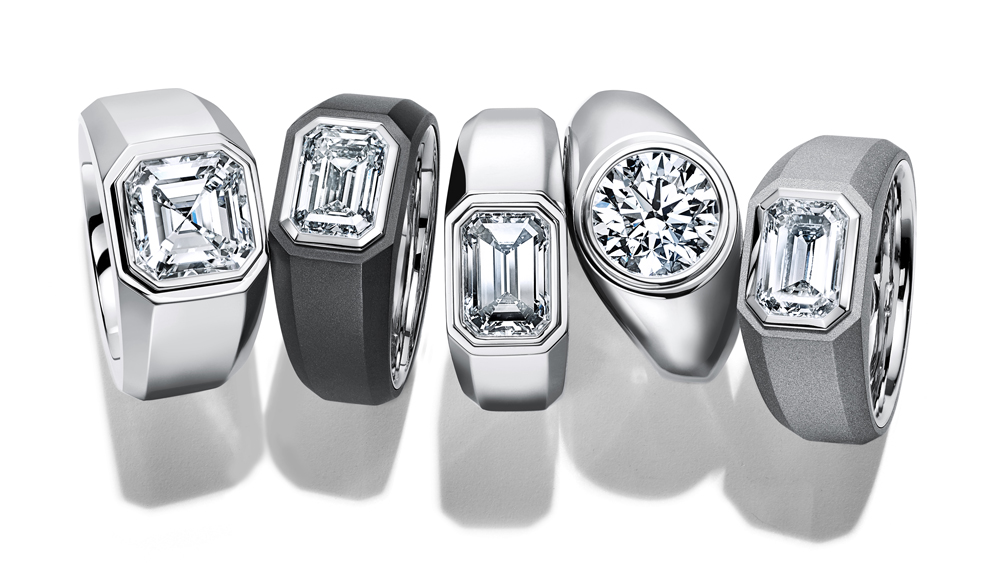
In May of 2021, Tiffany also launched a new product line Charles Tiffany Setting. A collection of engagement rings for men, amid the increase in same-sex marriage and the growing popularity of gender-fluid fashion. Given LVMH’s record of taking jewelry brands upmarket. (As seen by Bulgari, who witnessed a tripling in their operating margin from 8% to 25% after being bought out by the conglomerate). There is no doubt that Tiffany will experience similar success under the watchful eye of Mr. Arnault.
Further Analysis into LVMH’s Fashion and Leather Goods Sector
The transition of the fashion industry in the past 75 years from independently-owned maisons with unique brand identities. To massive luxury conglomerates who own said maisons has revolutionized the commercial workings of the industry. While LVMH does make strong efforts to maintain individual brand values and heritage. The luxury conglomerate’s first and foremost priority in the modern world is profit. Their fashion houses must produce clothing that sells in high volumes. Thus placing more importance in commercial success rather than artistic endeavor.
The conglomerate recognizes that to optimize volume. Its individual houses must cater to a broad range of customers while staying true to their origins.
Powerhouses Louis Vuitton and Dior have fused logomania with both their brand classics. And new streetwear items to grow their revenue in the past few years. In 2017, Louis Vuitton menswear-designer Kim Jones made the monumental decision. To collaborate with streetwear-brand Supreme. Citing that “you can’t have the conversation of New York menswear without Supreme right now. Because it’s such a massive global phenomenon”.
The decision to fuse these two logo-heavy brands to appeal to the streetwear consumer base. Created a bridge between streetwear and high fashion, introducing more mainstream consumers into the luxury market. LVMH capitalized on this migration. Through its controversial decision to hire Virgil Abloh. Founder and creative director of streetwear-brand Off-White. Another brand that relied on hype and logomania to generate sales. As a menswear-designer for Louis-Vuitton.
This move attracted these new streetwear-turned-luxury consumers to Louis Vuitton and began to lay the foundations for brand loyalty.
Virgil’s initial work at the brand made heavy use of the easily-recognizable LV monogram. And damier checkerboard patterns on the maison’s leather good accessories. E.g., bags, belts, and other small leather goods. Leading to strong sales to the new consumer base and putting the house in competition with Gucci. For hypebeast- and streetwear-focused customers.
Both of these brands have become mainstream through their popularization in pop culture, particularly through the rap industry.
Dior under the creative direction of Maria Grazia Chiuri has experienced a similar blockbuster success. Her re-revival of the 2001 Oblique monogram pattern. Designed by Marc Bohan and reinvigorated by John Galliano. Has led to brand best-sellers. Most notably Dior bags (e.g., the classic saddle bag and the relatively-new book tote) and streetwear-inspired high-top canvas sneakers. LVMH has also replaced former Givenchy creative director Claire Waight Keller. With streetwear-designer Matthew Williams to revamp the brand to incorporate streetwear elements in their designs. Overall, the use of logos in both old brand classics. And new streetwear-inspired products have opened the luxury market to everyday consumers. In addition, boosted LVMH subsidiary sales to record high volumes.
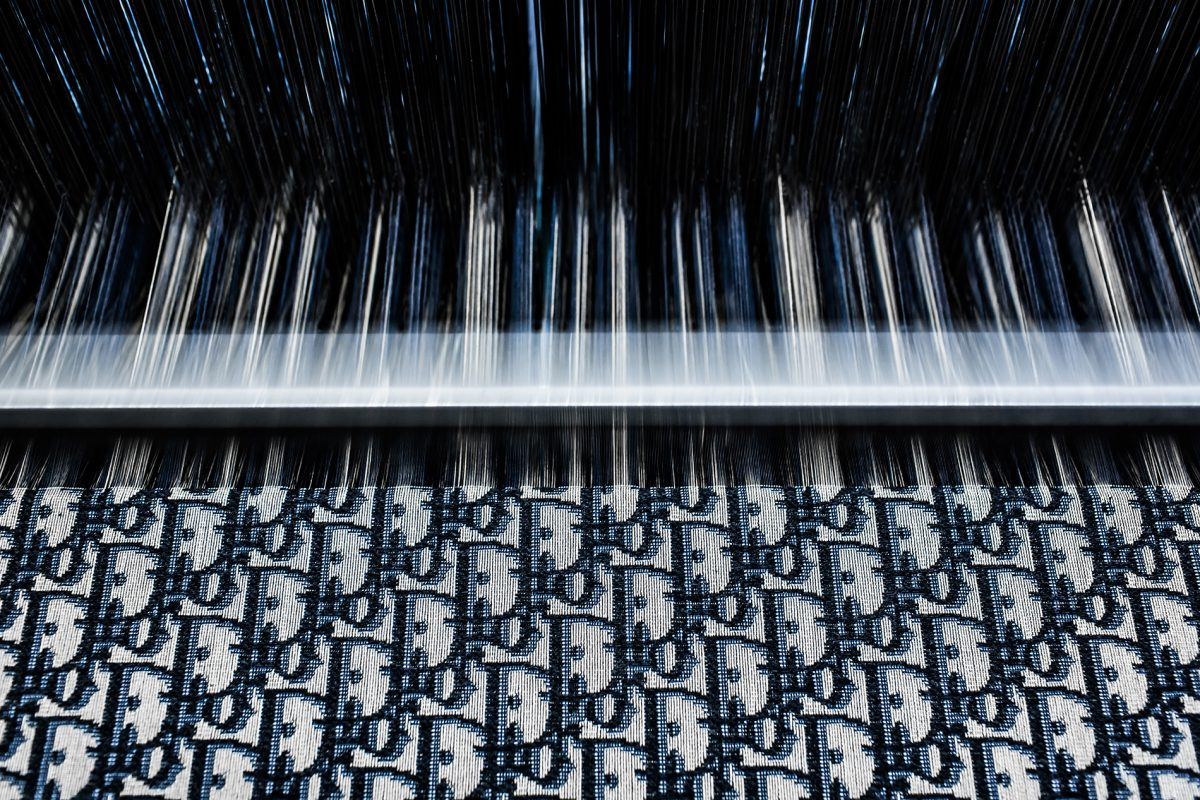
On the other end of the spectrum. LVMH’s Celine and Loewe offer a selection of timeless and minimalist clothing. That emphasizes quality through tailoring and fabrics to attract more discreet luxury buyers. Celine gained a cult following during Phoebe Philo’s tenure as creative director between 2008 and 2018. As she was heralded for creating clothes for women under the female gaze. Her designs catered to wealthy and professional women who wanted to buy understated clothing of exceptional quality. When Ms. Philo left the brand in 2018. Her successor Hedi Slimane re-invented the brand with his own aesthetics. Which have been apparent in his work at Saint Laurent and Dior. Choosing to create designs inspired by bourgeois French femininity.
Today, the brand continues to carry high-quality basics that are made to last.
And to the joy of Phoebe Philo fans. She is slated to return to the fashion world in the coming months. Announcing in July 2021 that she is launching an eponymous label with the support of LVMH. Who retains a minority stake in the business). Similarly, Loewe fixates on craftsmanship and modernity–the brand aims to produce clothing that stays modern due to its timeless nature. Led by creative director Jonathan Anderson. Recipient of both the 2015 Menswear and Womenswear Designer of the Year awards by the British Fashion Awards. The house continues to find new technologies and revolutionary ideas that innovate their craft.
While these minimalist brands may not receive as much media attention as Louis Vuitton and Dior. They also retain their positions as commercial successes under the LVMH fashion and leather goods sector.
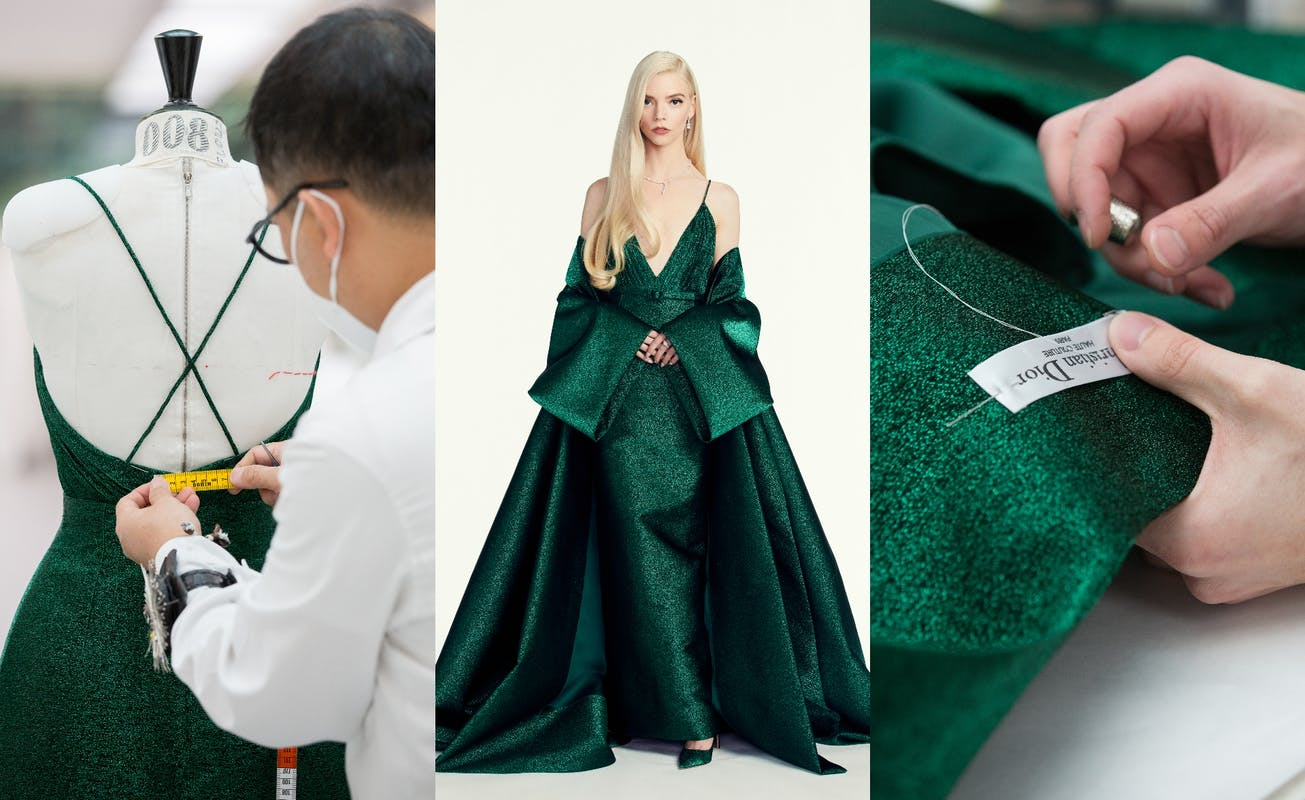
Although the logo-dependent and minimalist ready-to-wear business models are commercially successful ones that rely on high volume. The tradeoff is the loss of designer brands’ artistic exploration. And exclusivity–the very essence that motivates people’s fascination with the fashion industry. However, a few fashion houses have maintained intimacy with their customers through their haute couture collections. In which designers create custom-fitted clothing for only their top clientele. These pieces are made from high-quality, expensive, and even unusual fabrics. And are handcrafted by the artisans (i.e. embroiderers, weavers, jewelers, pleaters, etc.) in ateliers.
Given the time and effort expended in the creation of these pieces. Haute couture epitomizes supreme technical mastery and virtuoso execution. And comes at a high price tag that makes it only affordable to a small proportion of luxury consumers. The customers that are able to afford fashion houses’ couture pieces. Maintain strong relationships with the brands’ corresponding creative directors. In addition, testifies to the continued existence of personalization and intimacy between brands and their clients.
LVMH maintains the art of haute-couture through maisons Dior and Givenchy. And is currently in the process of reviving Fendi couture under the direction of newly appointed creative director Kim Jones.
Looking forward, it is logical to wonder which brand will be the next capstone of LVMH. After the commercial successes of Louis Vuitton and Dior.
If following historic trends. It is easy to eliminate the possibility of a newly launched luxury fashion and leather goods house. When considering Fenty’s failure to take off.
However, the revival of a maison that they already own or may acquire in the future has potential. Given the formula of commercial success that has been derived from previous profitable brands. This formula requires a fashion house with has existing traditions and heritage. Iconic brand classics that reinterpreted in a modern context, and a logo monogram print that will sell well. Since few maisons remain independent. Chanel, Hermes, and Goyard to name a few. And even fewer are up for sale or susceptible to a takeover.
Following the pre-established formula for success, the conglomerate’s next big bet seems to be the maison Fendi.
All of the elements are there:
Fendi has a history of expertise in crafting fur and leather goods that can be used to revive the maison. A brand classic in the form of the Fendi Baguette bag (popularized in the ‘90s by its appearance on Sarah Jessica Parker as Carrie Bradshaw in Sex and the City), and the iconic Fendi Zucca logo created by the esteemed Karl Lagerfeld. Fendi also clinched 9th place on the Q2 2020 Lyst Index. Which tracks online search data and social media engagement to rank fashion’s best-selling brands and products on a quarterly basis. With the appointment of Kim Jones and the revival of its couture line. The brand should become one of the largest commercial successes within the fashion industry.
Future Outlook of LVMH’s Expansion
Over the past decade. The fashion industry has also been reckoning with the ever-growing influence of Eastern consumers in the luxury sector. LVMH’s next biggest challenge is to compete with rivals Richemont and Kering for customers in Asia. European luxury conglomerates are betting most heavily on sales growth in China. As the nation’s booming economy has spurred Chinese consumers’ rapid income growth. And thus transformed the country into the home of the fastest growing market for luxury goods in the world. According to Bain & Co., the luxury goods market in mainland China achieved 48% growth in 2020. Doubling China’s share in the global luxury market. Growth is expected to continue into 2025. As a result, fashion houses have been scrambling to expand their marketing strategies to advertise to their Asian consumer base. Two notable methods include putting fashion shows on tour to China and signing on Asian brand ambassadors.
LVMH Analysis : An Analysis of LVMH : Behind European Luxury
LVMH’s expansion into China through fashion shows dates back to as early as 2007. When Chinese consumers only accounted for about 2% of global consumption of luxury goods.
Mr. Arnault’s foresight on the future of China’s importance in the luxury market. Resulted in Fendi’s then creative director Karl Lagerfeld showing his monumental 2008 Spring-Summer collection at the Great Wall of China. Mr. Burke, then CEO of Fendi. Revealed later in an interview that Fendi “wanted to do something when the city was still in its transformative state. When it’s like a moth turning into a butterfly,” referencing China’s pending emergence as an economic power.
More recently, Louis Vuitton showed their 2021 Menswear Spring-Summer collections in Shanghai. Dior presented their disco-themed 2021 Pre-Fall show in Shanghai as well. Due to the pandemic’s long-lasting effect of reduced travel. With reduced capacity in-person shows, LVMH has moved toward the digitization of their shows. With Louis Vuitton distributing their 2022 Menswear Spring-Summer collection in image, live-stream. And short video formats through prominent Chinese digital platforms Wechat and Weibo.
According to Morgan Stanley, the show broke records with over 130 million livestream views; the hashtag #LVMenSS22 gathered 520 million views within 24 hours, marking huge engagement growth for the brand in China.
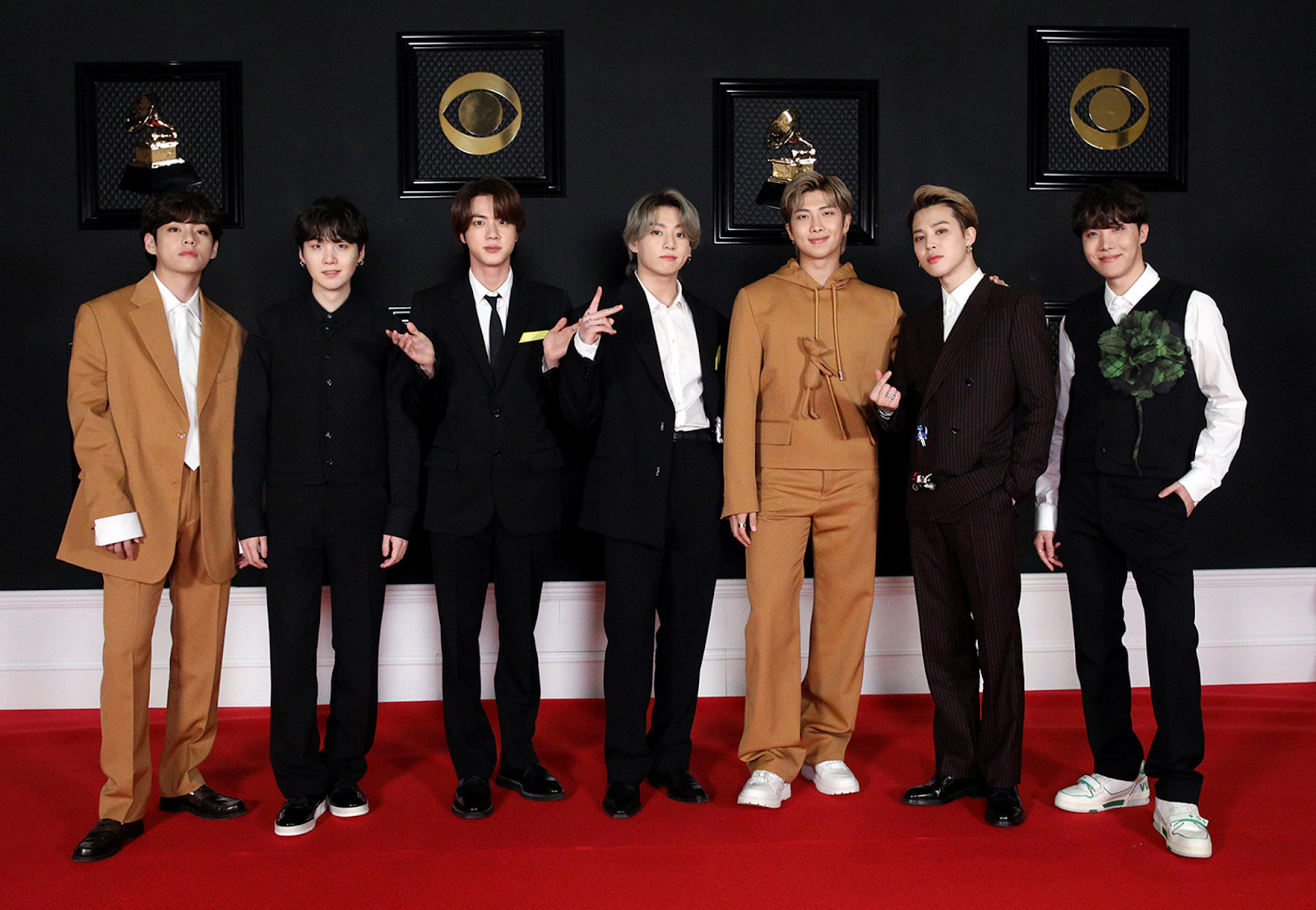
To further market their brands to an Asian consumer base. Prominent fashion houses have also announced a flurry of partnerships with Asian brand ambassadors. Louis Vuitton has picked up both Chinese and Korean celebrities. Most notably Chinese rapper Kris Wu in 2018, as well as internationally acclaimed K-pop group BTS in 2020. Their appearances at red carpet events, ad campaigns. And fashion shows while donned in Louis Vuitton garments have gained not only media spotlight. But also the attention of their fans worldwide. Dior has also signed on K-pop group BLACKPINK’s Jisoo. As an ambassador for both their fashion and beauty lines in 2021. It would not come as a surprise if LVMH’s subsidiaries continue to sign on new Asian representatives. And to host more fashion shows in China. In order to further grow their customer base and compete for a larger market share in the luxury goods sector.
Conclusion
LVMH’s constant expansion through mergers and acquisitions. As seen by the case studies of Fenty and Tiffany and Co. Growth of its existing houses. In addition, global marketing strategies will continue to grow the reach of the luxury conglomerate on a worldwide scale. Especially in the Asian market. Its ongoing work in digitizing the fashion industry through its partnership with Google Cloud. Will only further revolutionize the consumer’s shopping experience and merits further analysis in a later article. At the end of the day, LVMH epitomizes luxury and remains true to its mission: “A family-run group. LVMH strives to ensure the long-term development of each of its Houses. In keeping with their identity, their heritage and their expertise.”
How many luxury brands does LVMH own?
Who is running Chanel now?
Where can I get the cheapest electric car?
Why is Dior so popular?
Why Are Chanel Bags So Expensive? The REAL Reason – Handbagholic
What’s So Special About Dior? – Inside The Closet (theluxurycloset.com)
History of Dior: Facts About Christian Dior (instyle.com)
Why are Chanel Bags Expensive in 2023? • Petite in Paris
What is going on with Balenciaga?
Dior: What to Know About the French Luxury Brand | Highsnobiety
What is going on with Balenciaga?
Who owns Gucci? | The US Sun (the-sun.com)
Everything You Need to Know About the House of Gucci Before Watching House of Gucci | Vogue
Does The Gucci Family Still Own The Label (thefamilynation.com)
Hey, Quick Question: What Is Going on at Balenciaga? [Updated] – Fashionista
What is happening with Balenciaga ad scandal? | The Independent
What is going on with the Balenciaga controversy? – Deseret News
What to Know About the Balenciaga Ad Scandal (thecut.com)
Why Balenciaga is so expensive?
The Balenciaga controversy, explained (glossy.co)
Why (Top 7 Reasons) (mostexpensivebrands.com)
Why The 5 Reasons – The Men HeroWhy is Balenciaga So Expensive? – The 5 Reasons You Need to Know – Shoes and Fitness
Why does LV cost so much?
Why is Hermès so special?
History of the Hermès Birkin Bag & how it became so expensive (glamobserver.com)
What Makes Hermès Birkins and Kellys So Exclusive? | Baghunter
Why is Hermès so special?