

Why Did The French Revolution Start?
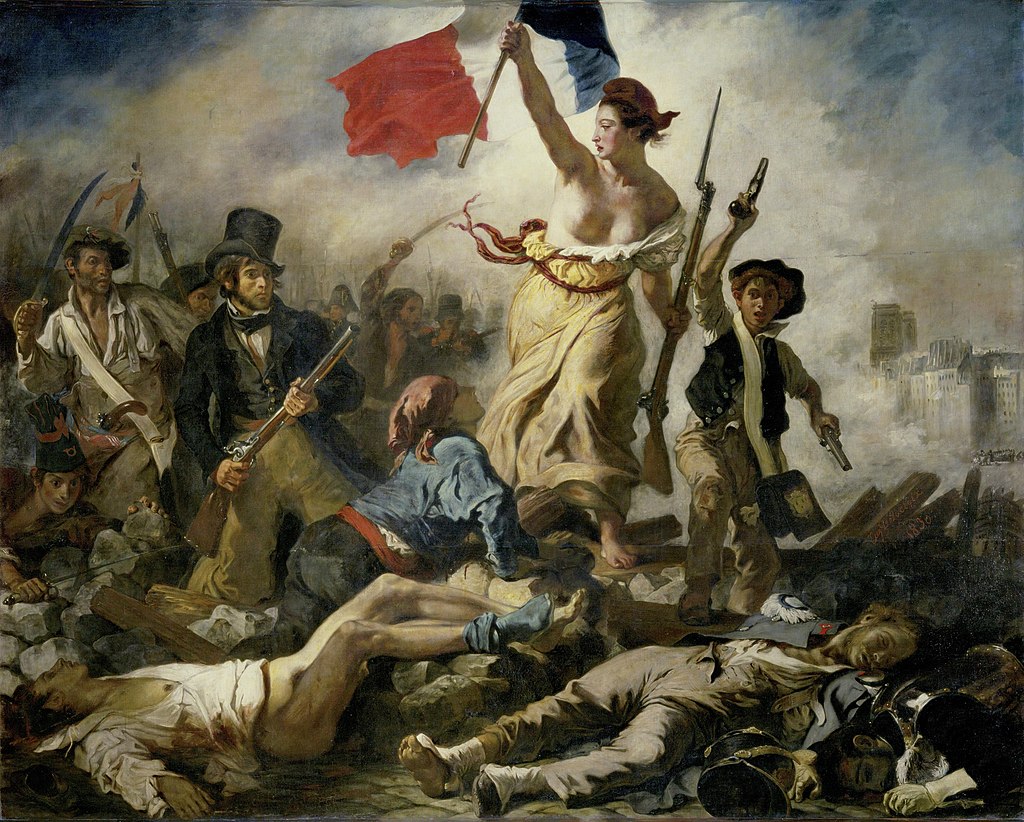
French Revolution
The French Revolution, one of the most significant historical events in European history, unfolded over a decade, from 1789 to 1799. It marked the end of monarchy, the rise of radical political factions, and eventually, the ascent of Napoleon Bonaparte. The factors that contributed to the Revolution were manifold, involving economic strain, societal inequalities, and political inefficiencies.
Let’s focus on the buildup to the Revolution, how it began, and its subsequent developments.
Build-up to the Revolution:
1. Economic Strain:
France in the late 18th century was in a state of severe economic distress. The Seven Years’ War and the American Revolutionary War had left the national coffers depleted. The country found itself sinking in debt, leading to increased taxation, especially on the peasantry and the urban poor.
2. Societal Inequalities:
Society was divided into three Estates: the First Estate (Clergy), the Second Estate (Nobility), and the Third Estate (Commoners). The Third Estate, consisting of peasants, artisans, and the burgeoning bourgeoisie, bore the brunt of taxation, while the privileged Estates enjoyed exemptions.

Caricature of the Third Estate carrying the First Estate (clergy) and the Second Estate (nobility) on its back
M. P. – This file comes from Gallica Digital Library and is available under the digital ID btv1b8410972x/f1
“You should hope that this game will be over soon.” The Third Estate carrying the Clergy and the Nobility on its back

Meeting of the Estates General on 5 May 1789 at Versailles.
3. Famine and Poverty:
Poor harvests led to food shortages, rising prices, and widespread famine, heightening the discontent among the common people. Unemployment and food scarcity, particularly in urban areas like Paris, generated unrest and anger towards the ruling elites.
“Let them eat cake”
Moreover, the traditional translation of the French phrase “Qu’ils mangent de la brioche“, apparently spoken by Queen Marie Antoinette upon being told that the peasants had no bread.

Marie-Antoinette, 1775 – Musée Antoine Lécuyer
4. Political Inefficiency and Absolutism:
The monarchy, led by King Louis XVI, was characterized by absolutism and inefficiency. The king’s reluctance to implement reforms and share power, coupled with Queen Marie Antoinette’s perceived extravagance, fueled public animosity.
5. Enlightenment Ideals:
The ideas of the Enlightenment, emphasizing individual rights, equality, and democratic governance, permeated French society. Philosophers like Voltaire, Rousseau, and Montesquieu inspired a desire for political and social change.
Outbreak of the Revolution:
1. Estates-General:
In 1789, facing financial ruin, Louis XVI convened the Estates-General to address the fiscal crisis. The Third Estate, representing the common people, demanded a more equitable system and a constitutional monarchy. However, disagreements over voting rights led to a deadlock.
2. National Assembly and Tennis Court Oath:
The Third Estate declared itself the National Assembly, representing the people of France. They took the Tennis Court Oath, vowing not to disband until a constitution had been established. This marked the formal beginning of the Revolution.
3. Storming of the Bastille:
On July 14, 1789, revolutionaries stormed the Bastille, a symbol of royal tyranny, in search of arms and ammunition. The fall of the Bastille symbolized the end of absolutism and the beginning of popular mobilization.

Subsequent Developments:
1. Declaration of the Rights of Man and of the Citizen:
The National Assembly adopted the Declaration of the Rights of Man and of the Citizen, asserting the equality and rights of citizens. This marked a significant step towards establishing a constitutional monarchy.
2. Reign of Terror:
The Revolution escalated, leading to internal and external conflicts. The radical phase, known as the Reign of Terror (1793-1794), saw the rise of the Jacobins, the execution of Louis XVI, and the purge of perceived enemies of the Revolution.
3. Rise of Napoleon Bonaparte:
The political instability and power vacuum paved the way for the rise of Napoleon Bonaparte. In 1799, he staged a coup, ending the Revolution and establishing himself as the ruler of France.
Conclusion:
The French Revolution emerged from a confluence of economic hardship, social inequality, and political despotism. The ideals of the Enlightenment fueled the desire for change, leading to the overthrow of the monarchy, the establishment of a republic, and the rise of Napoleon. The Revolution had a profound impact, not only on France but also on the course of modern history, shaping political ideologies and sparking debates on citizens’ rights and democratic governance.


