

Why did Eastern Airlines Flight 401 Crash?
Auto, Aviation & Transportation
Eastern Airlines Flight 401 crashed on December 29, 1972, while on approach to Miami International Airport, killing 101 people on board. The cause of the crash was determined to be pilot error, specifically the crew’s focus on a malfunctioning landing gear light instead of maintaining proper altitude and airspeed.
Eastern Airlines was a major American airline that operated from 1926 until 1991. The airline was founded by World War I flying ace Eddie Rickenbacker and several partners, and it began operations as a mail carrier in the northeastern United States.

In the 1930s and 1940s, Eastern Airlines expanded its network to include passenger service to cities throughout the eastern United States and the Caribbean. During World War II, Eastern Airlines played an important role in transporting military personnel and supplies, and after the war, it continued to expand its route network and fleet of aircraft.

In the 1960s and 1970s, Eastern Airlines became known for its innovative marketing campaigns and high levels of service.

It was the first airline to introduce a dedicated shuttle service, known as the “Eastern Air Shuttle,” between New York, Boston, and Washington, D.C.
Furthermore Eastern introduced the first in-flight entertainment system, which included movies and music.

However, by the 1980s, Eastern Airlines began to face financial difficulties due to increased competition and rising fuel costs.

The airline also became plagued by labor disputes, including a strike by its pilots in 1989. In 1991, Eastern Airlines filed for bankruptcy and ceased operations.
Despite its eventual demise, Eastern Airlines played a significant role in the development of the aviation industry in the United States, and it remains a memorable part of American aviation history.
Why did Eastern Airlines Flight 401 Crash?
Flight 401, a scheduled flight from New York JFK to Miami on a Lockheed L-1011-1 TriStar took off at 9:20pm. Carrying 163 passengers and 13 crewmembers aboard, the TriStar.
The Lockheed L-1011-1 TriStar was a commercial jetliner designed and manufactured by the Lockheed Corporation. Development of the TriStar began in the late 1960s, with the goal of creating a medium- to long-range wide-body jetliner that would compete with the Boeing 747 and McDonnell Douglas DC-10.
First introduced in 1972, and initially marketed as a highly advanced and efficient aircraft. One of its most notable features was its three-engine design, which was intended to provide greater fuel efficiency and safety compared to the two-engine designs of other commercial aircraft.
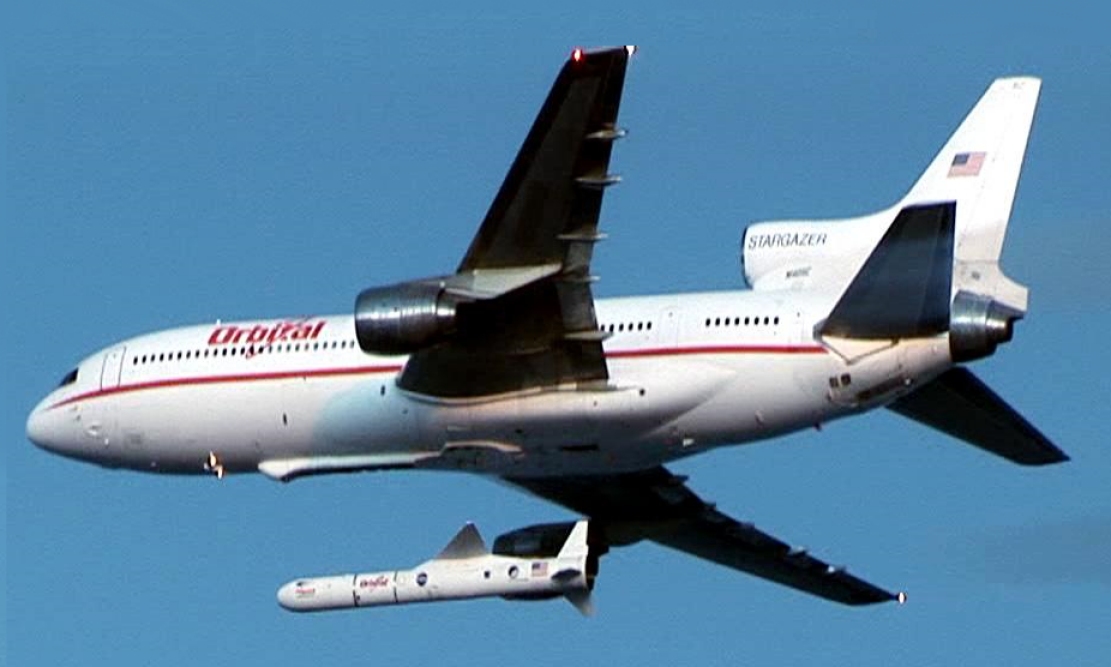

Despite its promising features, the TriStar faced several challenges in the commercial aviation market. One of the primary challenges was the rising cost of fuel in the 1970s, which made the TriStar’s fuel efficiency less of a competitive advantage. Additionally, the aircraft faced strong competition from Boeing and McDonnell Douglas, both of which had already established themselves in the commercial aviation market.
Despite these challenges, the TriStar was able to achieve some success, particularly in the charter and cargo markets. Lockheed also developed several upgraded versions of the TriStar, including the L-1011-500, which was introduced in the 1980s and featured improved fuel efficiency and performance.
However, due to a combination of factors, including rising fuel costs, increased competition, and the high cost of maintenance for the TriStar’s complex systems, the production of the aircraft was discontinued in 1984, after a total of 250 TriStars had been built.
An uneventful flight until 11:32pm on approach to Miami.
Why did Eastern Airlines Flight 401 Crash?
During flight 401’s approach, the flight’s first officer noticed that the landing gear indicator light for the nose gear did not become illuminated. As a result, indicating that the gear might not have fully locked into place. (Later discovered to be due to a burned-out light bulb.)
At 23.34h the crew called Miami Tower and became advised to climb to 2,000ft and hold.
The captain and the flight crew became fixated on this issue, and the captain instructed the flight engineer, first officer and second officer to go into the cockpit’s avionics bay to check the landing gear manually multiple times. And despite bringing the gear up and down multiple times and cycling through it again and again, the light wouldn’t illuminate and the Captain became ever more focused on this phantom issue while losing focus over the plane’s main operations.
At some point while the flight engineer was in the avionics bay, the captain unintentionally disengaged the autopilot!
As a result, causing the plane to descend without their realizing it. Due to the dark sky and lack of lights in the Florida everglades, the disorientation factor kicked in heavily. And the flight crew did not realize anything was wrong until right before impact.
Survivor Ron Infantino, an Air Force veteran in Vietnam and aviation aficionado gave an interview where he said;
“It went completely dark so I knew we were doing another go-round, not knowing what was going on. I was leaning back, my eyes half closed, and all the sudden I hear the engines go to full power. They were screaming, next thing I knew it, the overhead luggage was flying all over the place and the lights were going on and off like crazy. It was like a tornado. Literally you were inside a tornado. I remember hitting, I woke up and I was in a sitting position water up to my chin, no clothes on, everything was stripped right off me except the rims of my socks,”

The airplane was traveling at 227 miles per hour (197 kn; 365 km/h) when it hit the ground. With the aircraft in mid-turn, the left wingtip hit the surface first.
Flipping and coming apart as it rolls in the Florida swamp, with passengers ejecting out of the fuselage.


Infantino and the other survivors would wait in the cold Florida swamp for 5 hours before rescue crew could make it to the crash site.

Transcript of the Cockpit Voice Recorder (CVR)
| 23.32:35 | RDO-1 | Miami Tower, Eastern 401 just turned on final |
| 23.32:45 | TWR | Who else called? |
| 23.32:48 | CAM-1 | Go ahead and throw ’em out |
| 23.32:52 | RDO-1 | Miami Tower, do you read, Eastern 401? Just turned on final |
| 23.32:56 | TWR | Eastern 401 Heavy, continue approach to 9 left |
| 23.33:00 | RDO-1 | Coninue approach, roger |
| 23.33:00 | CAM-3 | Continuous ignition. No smoke |
| CAM-1 | Coming on | |
| CAM-3 | Brake system | |
| CAM-1 | Okay | |
| CAM-3 | Radar | |
| CAM-1 | Up, off | |
| CAM-3 | Hydraulic panels checked | |
| CAM-2 | Thirty-five, thirty three | |
| CAM-1 | Bert, is that handle in? | |
| CAM-? | * * * | |
| CAM-3 | Engine crossbleeds are open | |
| 23.33:22 | CAM-? | Gear down |
| CAM-? | * * * | |
| CAM-1 | I gotta | |
| CAM-? | ….. | |
| 23.33:25 | CAM-1 | I gotta raise it back up |
| 23.33:47 | CAM-1 | Now I’m gonna try it down one more time |
| CAM-2 | All right | |
| 23.33:58 | CAM | [sound of altitude alert horn] |
| CAM-2 | (Right) gear. | |
| CAM-2 | Well, want to tell ’em we’ll take it around and circle around and # around? | |
| 23.34:05 | RDO-1 | Well ah, tower, this is Eastern, ah, 401. It looks like we’re gonna have to circle, we don’t have a light on our nose gear yet |
| 23.34:14 | TWR | Eastern 401 heavy, roger, pull up, climb straight ahead to two thousand, go back to approach control, one twenty eight six |
| 23.34:19 | CAM-2 | Twenty-two degrees. |
| CAM-2 | Twenty-two degrees, gear up | |
| CAM-1 | Put power on it first, Bert. Thata boy. | |
| CAM-1 | Leave the # # gear down tll we fid out what we got | |
| CAM-2 | Allright | |
| CAM-3 | You want me to test the lights or not? | |
| CAM-1 | Yeah. | |
| CAM-? | * * seat back | |
| CAM-1 | Check it | |
| CAM-2 | Uh, Bob, it might be the light. Could you jiggle tha, the light? | |
| CAM-3 | It’s gotta, gotta come out a little bit and then snap in | |
| CAM-? | * * | |
| CAM-? | I’ll put ’em on | |
| 23.34:21 | RDO-1 | Okay, going up to two thousand, one twenty-eight six |
| 23.34:58 | CAM-2 | We’re up to two thousand |
| CAM-2 | You want me to fly it, Bob? | |
| CAM-1 | What frequency did he want us on, Bert? | |
| CAM-2 | One twenty-eight six | |
| CAM-1 | I’ll talk to ’em | |
| CAM-3 | It”s right ……….. | |
| CAM-1 | Yeah, ………… | |
| CAM-3 | I can’t make it pull out, either | |
| CAM-1 | We got pressure | |
| CAM-3 | Yes sir, all systems | |
| CAM-1 | # # | |
| 23.35:09 | RDO-1 | All right ahh, Approach Control, Eastern 401, we’re right over the airport here and climbing to two thousand feet. in fact, we’ve just |
| 23.35:20 | APP | Eastern 401, roger. Turn left heading three six zero and maintain two thousand, vectors to 9 Left final |
| 23.35:28 | RDO-1 | Left three six zero |
| 23.36:04 | CAM-1 | Put the … on autopilot here |
| CAM-2 | Allright | |
| CAM-1 | See if you can get that light out | |
| CAM-2 | Allright | |
| CAM-1 | Now push the switches just a … forward. | |
| CAM-1 | Okay. | |
| CAM-1 | You got it sideways, then. | |
| CAM-? | Naw, I don’t think it’ll fit. | |
| CAM-1 | You gotta turn it one quarter turn to the left. | |
| 23.36:27 | APP | Eastern 401, turn left heading three zero zero |
| RDO-1 | Okay. | |
| 23.36:37 | RDO-1 | Three zero zero, Eastern 401 |
| 23.37:08 | CAM-1 | Hey, hey, get down there and see if that damn nose wheel’s down. You better do that. |
| CAM-2 | You got a handkerchief or something so I can get a little better grip on this? Anything I can do with it? | |
| CAM-1 | Get down there and see if that, see if that # thing … | |
| CAM-2 | This won’t come out, Bob. If I had a pair of pliers, I could cushion it with that Kleenex | |
| CAM-3 | I can give you pliers but if you force it, you’ll break it, just believe me | |
| CAM-2 | Yeah, I’ll cushion it with Kleenex | |
| CAM-3 | Oh, we can give you pliers | |
| 23.37:48 | APP | Eastern, uh, 401 turn left heading two seven zero |
| 23.37:53 | RDO-1 | Left two seven zero, roger |
| 23.38:34 | CAM-1 | To # with it, to # with this. Go down ans see if it’s lined up with the red line. That’s all we care. # around with that # twenty-cent piec |
| CAM | * * * | |
| 23.38:46 | RDO-1 | Eastern 401 ‘ll go ah, out west just a little further if we can here and, ah, see if we can get this light to come on here |
| 23.38:54 | APP | Allright, ah, we got you headed westbound there now, Eastern 401 |
| 23.38:56 | RDO-1 | Allright |
| CAM-1 | How much fuel we got left on this # # # # | |
| CAM-? | Fifty two five | |
| CAM-2 | (It won’t come out) no way | |
| 23.39:37 | CAM-1 | Did you ever take it out of there? |
| CAM-2 | Huh? | |
| CAM-1 | Have you evre taken it out of there? | |
| CAM-2 | Hadn’t till now | |
| CAM-1 | Put it in the wrong way, huh? | |
| CAM-2 | In there looks * square to me | |
| CAM-? | Can’t you get the hole lined up? | |
| CAM-? | * * * | |
| CAM-? | Whatever’s wrong? | |
| CAM-1 | (What’s that?) | |
| 23.40:05 | CAM-2 | I think that’s over the training field |
| CAM-? | West heading you wanna go left or * | |
| CAM-2 | Naw that’s right, we’re about to cross Krome Avenue right now | |
| 23.40:17 | CAM | [Sound of click] |
| CAM-2 | I don’t know what the # holding that # # # # in | |
| CAM-2 | Always something, we coulda make schedule | |
| 23.40:38 | CAM | [Sound of altitude alert] |
| CAM-1 | We can tell if that # # # # is down by looking down at our indices | |
| CAM-1 | I’m sure it’s down, there’s no way it couldnt help but be | |
| CAM-2 | I’m sure it is | |
| CAM-1 | It freefalls down | |
| CAM-2 | The tests didn’t show that the lights worked anyway | |
| CAM-1 | That ‘s right | |
| CAM-2 | It’s a faulty light | |
| 23.41:05 | CAM-2 | Bob, this # # # # just won’t come out |
| CAM-1 | Allright leave it there | |
| CAM-3 | I don’t see it down there | |
| CAM-1 | Huh? | |
| CAM-3 | I don’t see it | |
| CAM-1 | You can’t see that indis … for the nosewheel ah, there’s a place in there you can look and see if they’re lined up | |
| CAM-3 | I know, a little like a telescope | |
| CAM-1 | Yeah | |
| CAM-3 | Well… | |
| CAM-1 | It’s not lined up? | |
| CAM-3 | I can’t see it, it’s pitch dark and I throw the little light I get ah nothing | |
| 23.41:31 | CAM-4 | Wheel-well lights on? |
| CAM-3 | Pardon? | |
| CAM-4 | Wheel-well lights on? | |
| CAM-3 | Yeah wheel well lights always on if the gear’s down | |
| CAM-1 | Now try it | |
| 23.41:40 | APP | Eastern, ah 401 how are things comin’ along out there? |
| 23.41:44 | RDO-1 | Okay, we’d like to turn around and come, come back in |
| CAM-1 | Clear on left? | |
| CAM-2 | Okay | |
| 23.41:47 | APP | Eastern 401 turn left heading one eight zero |
| 23.41:50 | CAM-1 | Huh? |
| 23.41:51 | RDO-1 | One eighty |
| 23.42:05 | CAM-2 | We did something to the altitude |
| CAM-1 | What? | |
| 23.42:07 | CAM-2 | We’re still at two thousand right? |
| 23.42:09 | CAM-1 | Hey, what’s happening here? |
| CAM | [Sound of click] | |
| 23.42:10 | CAM | [Sound of six beeps similar to radio altimeter increasing in rate] |
| 23.42:12 | [Sound of impact] |
Following the crash, the aviation industry implemented new policies and procedures to prevent similar accidents in the future. One such policy was the introduction of cockpit resource management (CRM), which aims to improve communication and decision-making among flight crews.
Download the full NTSB report
Why did Eastern Airlines Flight 401 Crash?


