When Should You Consider On-Site Fueling for Your Fleet?
Auto, Aviation & Transportation News
Managing a fleet means handling schedules, drivers, and costs, and fuel stops make all three harder. Every trip to the gas station takes a truck away from its route, and you still pay your driver for the time spent waiting. At the same time, you may not know how much fuel was used, who used it, or where it went.
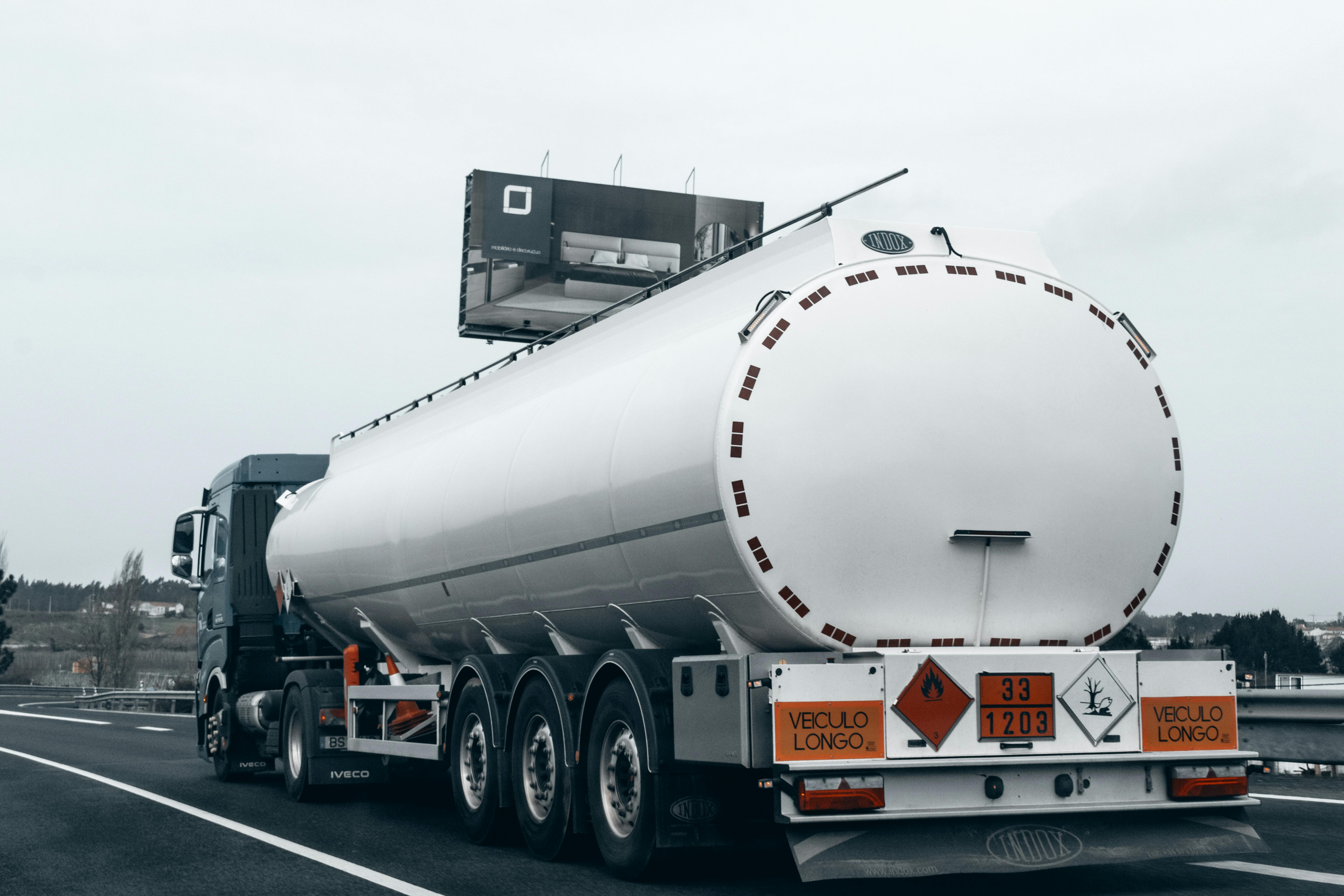
Because of these issues, many fleet managers start to ask if it is time to bring fuel directly to their vehicles. With this service, a fuel truck comes to your yard or job site and fills each tank where the vehicle is parked. As a result, your drivers stay on the job, your schedule stays on track, and you can track every gallon added to each tank.
In this article, you will learn the clear signs that show when it makes sense to switch to this type of fueling for your fleet.
1. Fueling Trips Are Costing Labor Hours and Vehicle Uptime
Every time a driver leaves to get fuel, work slows down for a while. The driver must travel to the station, wait in line, fill the tank, and drive back. Even twenty minutes per stop can add up quickly when you manage many vehicles.
That is why many fleets choose on-site fueling, where a fuel truck comes directly to them. Your drivers can stay on their routes, giving them more time to do their actual work. You also save on extra miles and wear caused by every fuel trip.
Over a month, these saved hours can help your team complete many more jobs. Fuel stops also take trucks away from busy work sites, slowing down the entire workday. When fuel comes directly to the truck instead, both problems become much smaller.
2. Vehicles Sit Parked Long Enough to Fuel Off-Hours
Many fleets keep their vehicles parked for hours every night. During this time, the trucks are not earning money, making it a good time to fill their tanks. If this sounds like your fleet, after-hours fueling could make your work easier.
A fuel truck can arrive while your team is away and fill every tank before the next shift begins. Then, when drivers arrive in the morning, every vehicle is full and ready to go. This keeps start times on schedule and removes the early morning rush at the pump.
This approach works well for delivery vans, service trucks, buses, and city fleets that follow a regular schedule. Since the schedule stays the same each week, planning fuel deliveries is simple. In the end, you save valuable time without changing how your team works.
3. Fuel Theft and Poor Tracking Become a Problem
Fuel can easily go missing when many people use fuel cards at different stations. A card may be shared, a receipt may get lost, and a small error may go unnoticed for months. Over time, these problems can lead to real financial losses.
Now imagine a fuel truck at your site, where every fill-up happens in one place and can be tracked. The driver records how much fuel goes into each vehicle, so every gallon is counted. Since the records are saved right away, you no longer need to chase missing paper receipts.
Clear reports also help you find a truck that uses much more fuel than others. This could point to a leak, an engine problem, or poor driving habits. If tracking fuel has become difficult, it may be time to try a better approach.
4. Remote Sites Make Fuel Stations Impractical
Some fleets work far from towns, on farms, road projects, or building sites. In these areas, the nearest fuel station may be an hour away. Driving that far wastes time and uses fuel just to bring more fuel back.
In these situations, a fuel truck can fill your machines right where they work. You can also keep a storage tank on-site, so fuel is always nearby when you need it. Many fleets rent these tanks, which means they do not have to buy one.
Once the tank is in place, your crew can fuel their own equipment whenever needed. The tank is then refilled on a regular schedule, so nobody has to guess when supplies will run low. As a result, work continues even in hard-to-reach locations.
5. Peak Demand or Outages Threaten Your Supply
Busy seasons can increase fuel use much more than expected. Harvest time, large projects, and severe storms can quickly raise fuel demand. If you run out at the wrong time, your entire workday could come to a stop.
Power outages create the same risk, especially if your site depends on backup generators. A generator can only run as long as it has diesel, and a long outage can empty its tank quickly. Making a delivery plan in advance means you already have help arranged when you need it.
Regular deliveries keep your tanks full before the busy season begins. Emergency deliveries help fill the gaps when fuel use rises above your plans. Together, these services help keep your fleet moving while others are still trying to find fuel.
Conclusion
Deciding when to bring fuel to your fleet comes down to one simple question: Is getting fuel slowing your team down every day? If the answer is yes, waiting will only lead to more lost time and more uncertainty in your daily work.
With fuel delivered directly to your site, your fleet can follow a more reliable schedule, and your drivers can focus on the road ahead. That is why on-site fueling is worth considering whenever fuel stops start to hold your fleet back.