

What happened on Feb 1 1942?

Scene on the Enterprise’s flight deck, 1 February. Note belts of .50-caliber ammunition being carried by the crewman in the foreground. The aircraft in the background are Douglass SBD-3 Dauntless scout/dive bombers (NH 50941).
In early 1942, the United States Navy embarked on a series of strategic assaults against Japanese military positions in the Pacific. On February 1, 1942, U.S. Navy aircraft carriers and warships launched a series of airstrikes and naval bombardments targeting the Imperial Japanese Navy garrisons located in the Marshall and Gilbert Islands. This operation marked the beginning of a series of six American military raids carried out on Japanese-controlled territories during the first half of 1942, forming a crucial part of the United States’ strategic plan during this phase of the Pacific War.
On February 1, 1942, a significant event occurred involving the USS Enterprise (CV-6) during the U.S. carrier raid on the Marshall Islands.
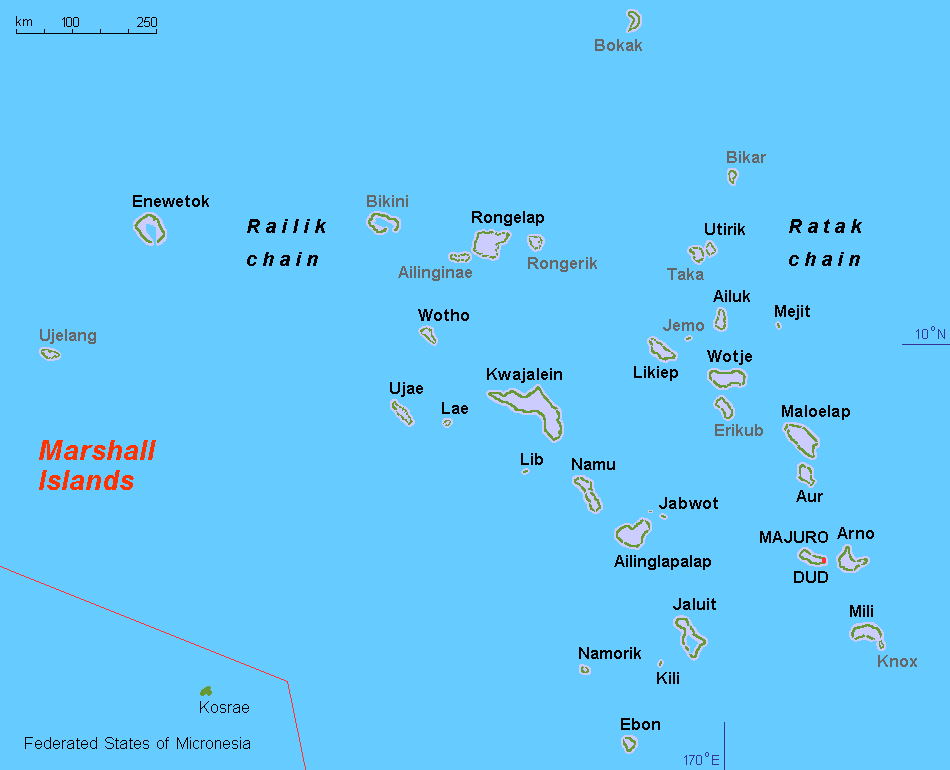
More details. Map of the Marshall Islands
Five Japanese twin-engine bombers penetrated the carrier’s defenses, but only one, piloted by Lieutenant Kazuo Nakai, posed a direct threat to the Enterprise. This bomber, despite being badly damaged, attempted a crash on the carrier. In a moment of bravery and quick thinking, Aviation Machinist Mate Third Class (AMM3/C) Bruno Gaido leaped into action.

A U.S. Navy Douglas SBD-2 Dauntless dive bomber of either Bombing Squadron 6 (VB-6) or Scouting Squadron 6 (VS-6) aboard the aircraft carrier USS Enterprise (CV-6) prepares for takeoff during the 1 February 1942 Marshall Islands Raid.
Gaido, showing remarkable initiative, took control of the aft twin .30 caliber machine guns of a parked SBD Dauntless dive bomber, his usual station as a radioman-gunner. From this position, he fired accurately at the approaching bomber, causing it to lose control and crash into the water beside the ship, narrowly missing the flight deck. Gaido’s actions were crucial in averting a potential disaster for the USS Enterprise.
Bruno Gaido was known for his mental and physical resilience, a reputation established well before this incident. An anecdote from June 1941 illustrates this, when Lieutenant Junior Grade Dusty Kleiss prepared for his first carrier landing to find Gaido in the gunner’s seat, confidently accompanying him instead of the standard sandbags used for such training exercises.
Gaido’s bravery was further demonstrated during the Battle of Midway on June 4, 1942. As a gunner in an SBD piloted by Ensign Frank O’Flaherty, Gaido was part of a critical mission. Although their bomb narrowly missed the Japanese carrier IJN Kaga, Gaido’s participation in a tactically challenging situation was notable. On their return, their group engaged in a fierce dogfight with Japanese Zero fighters. Gaido’s accuracy likely contributed significantly to the defense of their formation.
Tragically, Gaido’s SBD sustained damage during this or an earlier encounter, forcing O’Flaherty to ditch the aircraft at sea. The two were subsequently captured by the Japanese destroyer IJN Makigumo. Despite harsh interrogation, it is believed that they provided no useful information to the enemy. Their stoic defiance, however, ended tragically when they were executed by the Japanese on June 15, 1942. Their bravery and sacrifice were only fully recognized posthumously, with Gaido being awarded the Distinguished Flying Cross.
Gaido’s story is a testament to the courage and resilience of those who served during World War II. His actions on the USS Enterprise and his conduct until his tragic end highlight the extraordinary bravery of the men who fought in these pivotal moments of history.
Written by US Navy Rear Admiral Sam Cox


