

What effect does rosemary have on cancer?
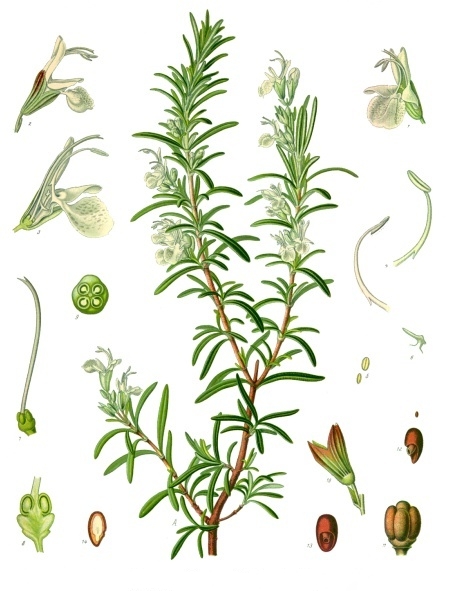
Rosemary is a culinary herb that is widely used for flavoring food, but it also has potential health benefits. Some studies have investigated the effects of rosemary on cancer cells and found that it may have certain anticancer properties.
One of the key compounds in rosemary is rosmarinic acid. Which shows to have anti-inflammatory and antioxidant effects. Inflammation and oxidative stress, known to contribute to the development and progression of cancer. So the anti-inflammatory and antioxidant effects of rosmarinic acid may be helpful in preventing or treating cancer.
According to Nature.com:
“Natural compounds are a realistic source of new bioactive compounds with anticancer activity. Among them, rosemary polyphenols have shown a vast antiproliferative capacity against colon cancer cells in vitro and in animal models.”

“Rosemary is rich in carnosol, a phytochemical that can slow cancer cell growth, strengthen immune functions, limit the production of cancer-related hormones and work as an antioxidant.” According to Ohio State University.
In addition, some studies have found that rosemary extracts and essential oils may have anticancer effects against various types of cancer cells, including breast cancer, prostate cancer, colon cancer, and leukemia. These effects may be due to the ability of rosemary to induce apoptosis (programmed cell death) in cancer cells, as well as its ability to inhibit the growth and spread of cancer cells.
According to the National Institute of Health:
“Rosemary extract contains many polyphenols with carnosic acid and rosmarinic acid found in highest concentrations…The ability of cancer cells to evade homeostasis and proliferate uncontrollably while avoiding programmed cell death/apoptosis is acquired through mutations to key signaling molecules, which regulate pathways involved in cell proliferation and survival.”
However, it is important to note that the research on the anticancer effects of rosemary is still in its early stages!
And more studies remain needed to fully understand its potential benefits. In addition, while some studies show promising results. Moreover, it is not yet clear whether rosemary can become used as a standalone treatment for cancer. Or whether it should become used in combination with other treatments.
Overall, while more research remains needed. Lastly, the current evidence suggests that rosemary may have potential anticancer properties and could be a valuable addition to a healthy diet and lifestyle.
What effect does rosemary have on cancer?


