

What does Sardar Biglari own? A Fusion of Brilliance and Controversy!
Sardar Biglari, the CEO of Biglari Holdings and a commanding figure in the business world, embodies a fusion of financial brilliance, strategic innovation, and ethical complexity. Steering the successful turnaround of Steak ‘n Shake, engaging in high-profile disputes with companies like Cracker Barrel, and attracting both admiration and controversy, Biglari’s leadership stands as a testament to his acumen yet raises significant questions. His professional journey, marked by achievement, aggressive tactics, and moral quandaries, paints a multifaceted portrait of a leader whose triumphs are as thought-provoking as the challenges they present. In an era where success and ethics often collide, Biglari’s story offers a compelling insight into the nuanced landscape of modern business leadership.
Early Life and Career
Born in Iran, Sardar Biglari moved to the United States at a young age. With an educational background in business, he swiftly embarked on his entrepreneurial journey. He founded Biglari Holdings (formerly known as The Steak n Shake Company) and strategically invested in various sectors like media, insurance, and food. His ability to turn around struggling businesses, primarily through sharp cost-cutting and restructuring measures, showcases his brilliance. However, critics often question the morality of his methods, citing issues such as corporate governance, aggressive takeovers, and the treatment of employees.
Successes and Turnarounds
Biglari’s significant success with Steak ‘N Shake, where he boosted yearly profits by 36% in 2011 and expanded the chain, demonstrates his capability as a strategic leader and shrewd investor. His history of turning around declining businesses and his ambition to control significant parts of companies, such as his 15% control of Biglari Holdings, highlights his proactive and sometimes aggressive approach.
When Biglari took over as CEO of Steak ‘n Shake in August 2008, the chain was suffering!
Moreover, recording 14 straight quarters of declining same-store sales!
Through Biglari’s strategic leadership, the chain turned a corner, recording six straight quarters of increasing same-store sales, culminating in an impressive 7.5 percent climb in same-store sales during the fiscal third quarter. His intervention undoubtedly saved Steak ‘n Shake from financial ruin, and the brand began to thrive under his leadership.
Ethical Controversies
While the numbers speak to Biglari’s brilliance, his leadership has been mired in controversy. He’s known for self-promotion, with “welcome” photos featuring him prominently displayed at every Steak ‘n Shake restaurant. This rebranding of The Steak n Shake Company into Biglari Holdings was a move seen by some as ego-driven.
His proposed compensation plan, which included 25 percent of any increase in the company’s annual book-value growth topping 5 percent in addition to his $900,000 annual salary, stirred anger and dismay among shareholders. While Biglari put the shareholder vote for the pay plan on hold, the incident tarnished his reputation, turning some supporters into detractors.
Biglari’s investment and interaction with Cracker Barrel is another example of his complex relationship with brilliance and morality. As the owner of a significant percentage of Cracker Barrel’s shares, Biglari has been openly critical of the company’s long-term strategy, citing issues like a 100 percent loss with Punch Bowl Social and the inability to fulfill objectives.
His nomination of Raymond Barbrick to Cracker Barrel’s board sparked a public feud between Biglari and Cracker Barrel’s CEO, Sandy Cochran.
Cochran accused Biglari of lacking credibility, qualifications, and failing to understand the brand’s complexity.
The arguments went back and forth, with Biglari defending his nominee and criticizing Cracker Barrel’s management team as “embarrassed and unable to defend their strategy.” The intensity of this battle further reinforces the perception of Biglari’s brilliance but at the cost of ethical considerations.
In the context of his proxy battle with Cracker Barrel, these successes add weight to his arguments, showing that his critiques and recommendations come from a background of tangible achievements in the restaurant sector.
While Cracker Barrel’s management has painted him as lacking credibility, Biglari’s performance with Steak ‘N Shake and other investments indicates that he’s more than just a self-absorbed individual and has real, proven expertise.
Biglari’s control over Steak ‘n Shake and his engagement with Cracker Barrel illustrate the duality of perception surrounding him. On one hand, he is a master strategist capable of revitalizing a dying brand like Steak ‘n Shake; on the other hand, his leadership decisions and dealings with other companies have raised significant moral and ethical questions.
Cochran’s letters to shareholders and Biglari’s responses, combined with his controversial compensation proposal, reveal a man focused on winning at all costs. The tactical brilliance in navigating the complex world of business seems overshadowed by a self-serving approach that questions his moral compass.
Public Perception and Personal Life
At the same time, his lifestyle and outspoken character, as demonstrated by his love for sports cars and a very public display of success, might be seen in different lights depending on one’s perspective. It could either bolster his image as a confident, accomplished investor or provide ammunition to those who criticize his approach as overbearing and self-centered.
In the dispute with Cracker Barrel, the addition of this information paints a more nuanced picture of Biglari, allowing for a deeper understanding of the driving forces behind his proxy fight and his vision for the company. His history of business turnarounds and investment success can be seen as validating his push for change at Cracker Barrel, though it does not necessarily mitigate the concerns raised by Cracker Barrel’s CEO. The rich detail of his background contributes to a more comprehensive assessment of the ongoing struggle between Biglari and Cracker Barrel’s management.
Conclusion: A Study in Contrasts
Sardar Biglari’s control of Biglari Holdings and, by extension, Steak ‘n Shake, is a study in contrasts. His ability to turn around businesses is nothing short of remarkable, as demonstrated by Steak ‘n Shake’s resurrection. Yet, his actions, whether in dealings with Cracker Barrel or in self-promotion, reflect a lack of moral considerations that cannot be ignored.
His brilliance, although evident in the numbers, seems constantly overshadowed by questions of credibility and integrity. It presents a challenging paradox: How do we reconcile such business acumen with the lack of ethics? The story of Biglari is a reminder that brilliance and success in business do not always align with a moral and ethical pathway. Furthermore, it’s a complex portrait of a man whose achievements are often marred by controversy, leaving an indelible mark on the businesses he controls and the people he engages with.
In conclusion, the ongoing debates surrounding Biglari, the growth and success of Steak ‘n Shake and the intense battle with Cracker Barrel paint a vivid picture of a man willing to do whatever it takes to succeed, regardless of the “percieved” ethical considerations.
Lastly, a story that continues to unfold before our eyes, as a result, reflecting the delicate balance between brilliance and morals in the cutthroat world of business.

See more from Jonah Luetke:
When did Atlantic City start to decline?
What makes Wendy’s successful?
Is Burger King a successful business?
Works Cited
Andrews, Greg. “As Sardar Biglari Stirs Controversy, Steak n Shake Hums Along.” Indianapolis Business Journal, 9 Sept. 2010,
www.ibj.com/articles/22189-as–stirs-controversy-steak-n-shake-hums-along. Coley, Ben. “Cracker Barrel Says Sardar Biglari Lacks Credibility.” FSR Magazine, Oct. 2020, www.fsrmagazine.com/casual-dining/cracker-barrel-says–lacks-credibility. Coley, Ben. “Cracker Barrel Strikes Back at Sardar Biglari.” FSR, Oct. 2020, www.fsrmagazine.com/chain-restaurants/cracker-barrel-strikes-back-. Du, Lisa. “Meet the 34-Year-Old Who Owns Steak ’n Shake and Has Drawn Comparisons to Warren Buffett.” Business Insider, 7 Feb. 2012,
Maze, Jonathan. “Why Sardar Biglari Needs a Steak ’n Shake Turnaround.” Restaurant Business, 1 Mar. 2021,
Oches, Sam. “Who Is Sardar Biglari?” QSR, Jan. 2012,
www.qsrmagazine.com/business-advice/who-slari-0.
Steak n Shake | Steakburger & Homemade Milkshakes
What does Sardar Biglari own? A Fusion of Brilliance and Controversy! What does Sardar Biglari own? A Fusion of Brilliance and Controversy!
When did Atlantic City start to decline?
Atlantic City was once a tourist hub for families, gamblers, and thrill seekers.
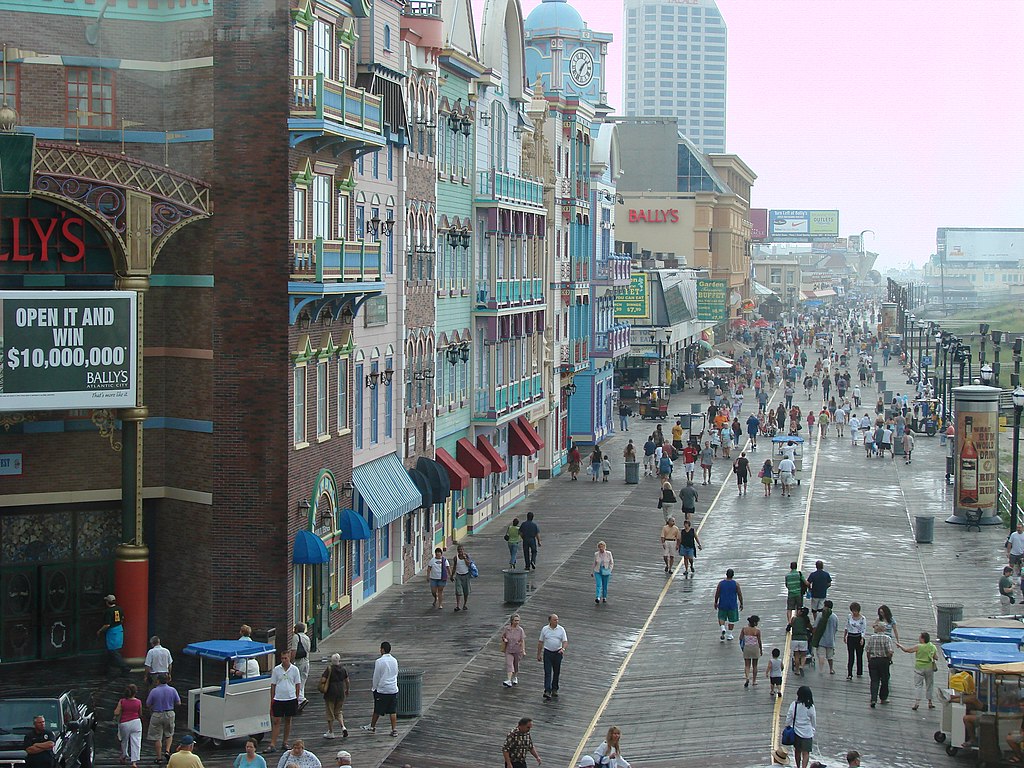
It had an iconic boardwalk, lavish beaches, and uninhibited gambling. Over the past few decades the “Queen of Resorts” has regressed into a city of crime and poverty. Atlantic City has lost its monopoly over the entertainment industry. This is due to changes in tastes from tourists, economic decline, the rise in widespread transportation, and competition from neighboring cities.
Nearly three million people used to visit Atlantic City each year in the early 1900s.
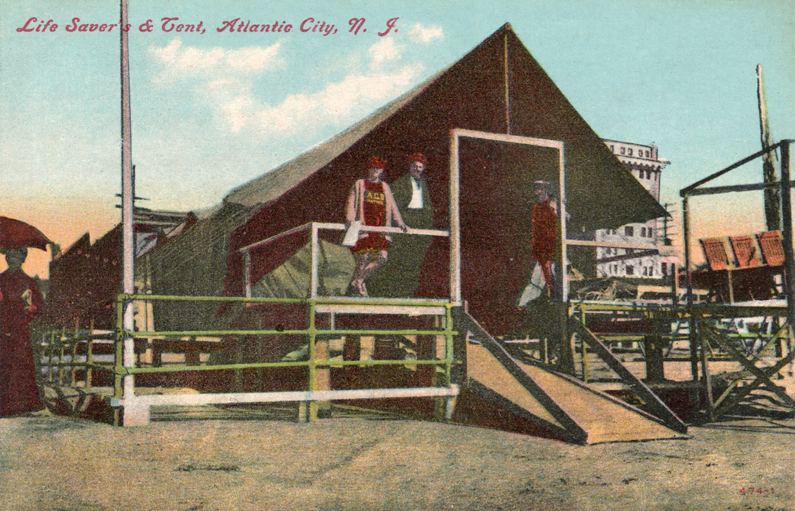
They came to see the boardwalk and beaches, but the majority came to gamble and drink. Despite gambling being illegal in the United States, law enforcement and politicians were given large bribes to overlook it.
This was possible due to the economic prosperity the tourists were bringing to the city.

Atlantic City was the only place on the East Coast where you could seek out this level of entertainment. Even when Prohibition was passed in 1920, it was blatantly ignored resulting in the city being deemed “the most corrupt city in the country”. This further increased the amount of tourists the city brought in.
The expansion of the transportation industry played a significant role in the decline of Atlantic City.
The development of the interstate highway system made it easier and more affordable for people to travel to other destinations. Furthermore, as air travel became more widespread, tourists looked to visit more exotic locations around the world. Thus, new easily accessible vacation destinations around the world reduced the demand for Atlantic City as a vacation spot.
As tourism declined, so did the amount of jobs. Loss of jobs as a result, led to a rise in crime in the city and many homes and businesses being abandoned. Additionally, this new impoverished appearance contrasted with the shining city Atlantic City used to be. In the 1970s the mobs that controlled Atlantic City swayed politicians to legalize gambling in the hopes of bringing back tourists.
As a result, of this legalization of gambling, Atlantic City received a virtual monopoly on gambling on the East Coast.

This brought millions of tourists and gamblers back to the city, leading to a boom in construction and investment. The success of the casinos didn’t help the real issues the city was facing however. Tourists didn’t stay for long and only came to gamble so the issues of poverty and crime persisted.
The rise of neighboring cities, such as New York and Philadelphia, played a crucial part in the decline of Atlantic City. Not only did these cities invest heavily into their own tourism industries, but they also legalized gambling. This caused Atlantic City to lose its virtual monopoly on gambling and the one thing that still attracted tourists. In addition, the city experienced a steep decline in tourism and revenue. This caused many casinos to declare bankruptcy which further increased the unemployment and poverty rate in the city.
This image of the city was the final thing that contributed to its decline.
Atlantic City has become associated with decay, crime, and poverty. Tourists perceived the city as unsafe and unappealing, deterring the majority of people that would even think of going. Additionally, to this day, local governments and businesses have tried to rid themselves of this image to little success.

In conclusion, the fall of Atlantic City can be attributed to a combination of factors, including the loss of its main industry, economic decline, increased competition from neighboring cities, and a negative public image. While the legalization of gambling initially gave the city an economic boost, it was not enough to overcome the other challenges it faced. While there have been efforts to rebuild the city’s image, with things such as new tourism infrastructure and casinos, Atlantic City is far from its former glory as a tourist destination.
Works Cited
“Atlantic City: Economy .” Cities of the United States. Encyclopedia.com. 20 Mar. 2023 https://www.encyclopedia.com.
Gurley, Gabrielle. “Atlantic City: The Fall of the Boardwalk Empire.” The American Prospect, 8 Apr. 2016, https://prospect.org/economy/atlantic-city-fall-boardwalk-empire/. In addition, Harvey, Austin. “Inside The Rise And Fall Of Atlantic City.” All That’s Interesting, All That’s Interesting, 11 Dec. 2022, https://allthatsinteresting.com/atlantic-city#3.
The Atlantic City Free Public Library – History of Atlantic City (acfpl.org)
When did Atlantic City start to decline?
33 Photos That Capture Atlantic City’s Dramatic Rise And Fall (allthatsinteresting.com)


