

What Caused American Flight 191 To Crash?
Auto, Aviation & Transportation
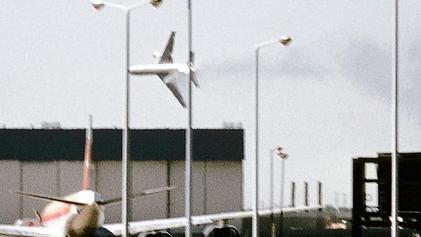
American Airlines Flight 191, a scheduled flight from O’Hare International Airport in Chicago to Los Angeles International Airport crashed on May 25, 1979. The disaster resulted in the loss of all 258 passengers and 13 crew members on board. As a result, making it the deadliest aviation accident in the history of the United States.
The cause of the crash was determined to be a failure of the number one engine, which detached from the aircraft during takeoff.
The detachment of the engine caused significant damage to the wing and the hydraulic system, which resulted in the loss of control of the aircraft.
One factor that contributed to the crash was the asymmetrical thrust created by the failure of the number one engine.
This asymmetrical thrust caused the aircraft to turn to the left and bank steeply, making it difficult for the crew to maintain control. The aircraft’s autopilot system was unable to compensate for the asymmetrical thrust, and the crew was unable to regain control using manual inputs.
Another factor was the loss of hydraulic fluid from the damaged hydraulic system, which affected the aircraft’s control surfaces and made it even more difficult for the crew to maintain control.
The loss of hydraulic fluid resulted in the failure of the slats and flaps. The slats and flaps generate lift and increase an aircraft’s lift-to-drag ratio during takeoff and landing.

The combination of asymmetrical thrust, the loss of hydraulic fluid, and the failure of the slats and flaps made it nearly impossible for the crew to control the aircraft and maintain altitude.
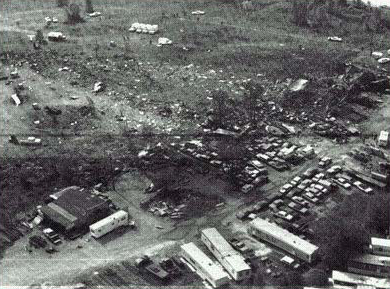
The aircraft continued to bank to the left and eventually crashed into a field near O’Hare International Airport, killing all 271 people on board.
The engine failure was the result of a maintenance error that occurred several months prior to the crash.
A mechanic had improperly installed an engine pylon, which was the component that attached the engine to the wing.

The error went undetected, and the engine eventually detached from the aircraft during takeoff due to metal fatigue.
The National Transportation Safety Board (NTSB) conducted a thorough investigation of the accident, and determined that the failure of the engine pylon was the result of a lack of proper inspection procedures, inadequate training for maintenance personnel, and a lack of oversight by the Federal Aviation Administration (FAA).
The NTSB also found that the FAA had not adequately addressed the potential for engine pylon failures in its regulations. Furthermore, had not provided sufficient guidance to airlines for inspecting and maintaining engine pylons.
In response to the findings of the NTSB investigation, the FAA implemented several new regulations and guidelines aimed at improving the inspection and maintenance of aircraft engines and their components.
These changes included more stringent inspection requirements, improved training for maintenance personnel, and enhanced oversight by the FAA.
The crash of American Airlines Flight 191 remains one of the worst aviation accidents in the history of the United States, and serves as a reminder of the importance of proper inspection and maintenance procedures, as well as the need for effective regulation and oversight of the aviation industry.

Concorde Crash : Death of an Aviation Dream
US Airways : Confusion on the Runway
What Caused American Flight 191 To Crash?
American Airlines flight 191 | Description & Facts | Britannica
What Caused The Crash Of American Airlines Flight 191? (simpleflying.com)


