

what are the best courses to learn python
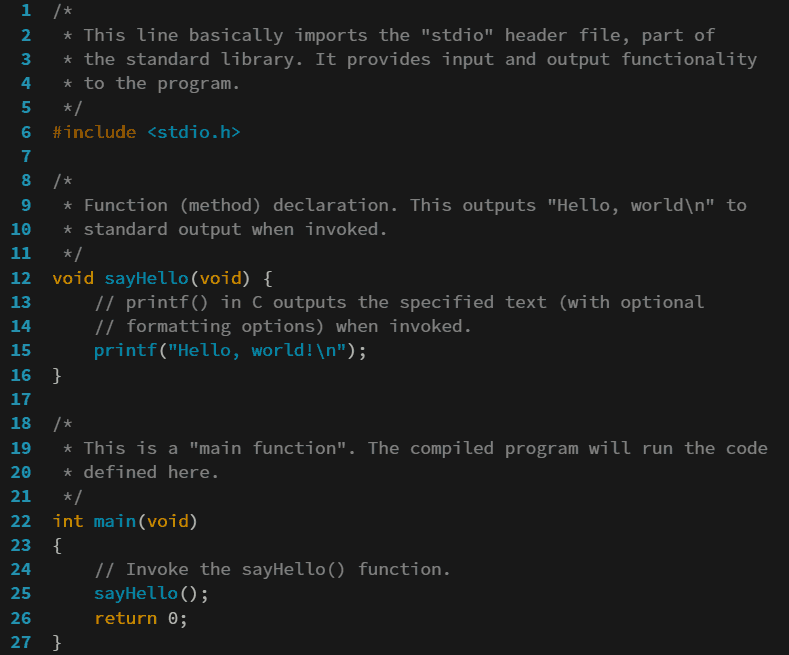
The source code for a simple computer program written in the C programming language. The gray lines are comments that help explain the program to humans in a natural language. When compiled and run, it will give the output “Hello, world!“.
Learning Python, one of the most versatile and widely-used programming languages today, can be a game-changer for anyone looking to enhance their coding skills, delve into data science, web development, or simply automate tasks. Moreover, there’s an abundance of courses available, each suited to different learning styles and objectives. Furthermore, here’s an exhaustive analysis of some of the best Python courses, categorized based on proficiency levels, learning goals, and platforms:
For Beginners
- Python for Everybody (Coursera):
- Pros: Covers basics thoroughly, includes practical exercises.
- Cons: Might be slow-paced for some learners.
- Best For: Those who prefer structured learning with university-style teaching.
- Introduction to Python Programming (Udemy):
- Pros: Interactive, with plenty of hands-on exercises.
- Cons: Thus, less comprehensive in advanced topics.
- Best For: Beginners who enjoy learning by doing.
- Automate the Boring Stuff with Python (Udemy):
- Pros: Focuses on practical applications, great for automating daily tasks.
- Cons: In addition, less emphasis on theoretical concepts.
- Best For: Those looking to apply Python in daily work or for productivity.
Intermediate Learners
- Intermediate Python (Udacity):
- Pros: Covers intermediate topics like generators, decorators, and class inheritance.
- Cons: Not as in-depth for complete mastery.
- Best For: Those with basic Python knowledge wanting to delve deeper.
- Python 3: Deep Dive (Udemy):
- Pros: In-depth coverage of Python 3 features.
- Cons: Can be very detailed and lengthy.
- Best For: Those who want a thorough understanding of Python 3 specifics.
Advanced Learners
- Advanced Python Scripting for ArcGIS Pro (Esri):
- Pros: Specialized for GIS professionals using Python.
- Cons: Niche focus, not suitable for all.
- Best For: GIS professionals wanting to integrate Python into their workflow.
- Effective Python: 90 Specific Ways to Write Better Python (O’Reilly):
- Pros: Offers best practices and expert tips.
- Cons: More of a reference book than a traditional course.
- Best For: Experienced Python developers looking to refine their craft.
Data Science Focus
- Python for Data Science and Machine Learning Bootcamp (Udemy):
- Pros: Comprehensive coverage of Python for data science, machine learning, and data visualization.
- Cons: Can be overwhelming for those not focused on data science.
- Best For: Aspiring data scientists and analysts.
- Applied Data Science with Python Specialization (Coursera):
- Pros: Project-based, hands-on learning with a focus on real-world applications.
- Cons: Requires a strong foundation in Python and statistics.
- Best For: Those with some Python experience aiming to specialize in data science.
For Web Development
- Django for Beginners (William S. Vincent):
- Pros: Additionally, great for learning Django, a high-level Python web framework.
- Cons: However, focused only on Django; not a comprehensive Python course.
- Best For: Aspiring web developers who want to use Python.
- Flask Web Development (O’Reilly):
- Pros: Detailed guide on Flask, another popular Python web framework.
- Cons: More suitable for those with some Python experience.
- Best For: Developers looking to build web applications using Flask.
Free Resources
- Google’s Python Class:
- Pros: Free, with video lectures and exercises.
- Cons: Less structured than a typical course.
- Best For: Self-starters and those on a budget.
- Python.org’s Official Documentation:
- Pros: Comprehensive and authoritative.
- Cons: Can be dense and overwhelming for beginners.
- Best For: Reference and deepening understanding of Python.
Key Factors to Consider When Choosing a Course:
- Learning Style: Do you prefer hands-on learning, structured lectures, or self-guided exploration?
- Time Commitment: Consider the length of the course and your availability.
- Career Objectives: Tailor your choice to your career goals, whether it’s web development, data science, or general programming.
- Cost: As a result, some options range from free resources to paid courses. Consider your budget.
- Community and Support: Lastly, some platforms offer forums or community support, which can be beneficial.


