

What age does dementia usually start?
Science
Dementia, a term used to describe a range of symptoms that affect memory. In addition, thinking, and communication. Moreover, to such an extent that it interferes with a person’s ability to carry out their daily activities. Dementia is not a specific disease. However, rather a set of symptoms that can become caused by various underlying conditions. Such as Alzheimer’s disease, Parkinson’s disease, Huntington’s disease, and others.

Dementia sufferer Jack Nicholson with Michelle Phillips at the 1971 Golden Globes
The underlying causes of dementia are complex and not yet fully understood.
However, scientists believe that the condition arises from damage to brain cells, which in turn affects the communication networks between neurons. The accumulation of toxic proteins in the brain, such as beta-amyloid and tau, might play a role in the development of dementia. Jury is still out there. Additionally, other factors such as genetics, lifestyle, and environmental factors may increase the risk of developing dementia.
What age does dementia usually start?
Dementia is a chronic, progressive, and degenerative condition that affects cognitive function, memory, and behavior. One of the most common age-related diseases, and its prevalence increases with age. The onset of dementia varies from person to person, and there is no one-size-fits-all answer to the question of when it typically starts. However, researchers have identified several risk factors that contribute to the development of dementia, including age, genetics, and lifestyle factors. In this paper, we will explore the age at which dementia usually starts and the factors that influence its onset.
Age and Dementia: Age is the most significant risk factor for the development of dementia. According to the Alzheimer’s Association, the risk of developing dementia doubles every five years after the age of 65. This means that the prevalence of dementia increases with age, with about 1 in 14 people over the age of 65 developing the disease. The risk of developing dementia increases to 1 in 6 for people over the age of 80.
While age is a significant risk factor, dementia is not a normal part of aging!
Not all older adults develop dementia, and some people may develop the disease earlier or later than others. The onset of dementia varies from person to person, and it can depend on several factors, including genetics, lifestyle, and other health conditions.
Genetics and Dementia: Genetics also play a role in the development of dementia. Some forms of dementia become caused by genetic mutations passed down from parent to child. These mutations can lead to the development of early-onset dementia, which typically occurs in people under the age of 65. Early-onset dementia is relatively rare, accounting for only 5-10% of all cases of dementia.

This W3C-unspecified vector image was created with Inkscape . – Own work based on Chromosomenmutationen.png
Types of chromosomal mutations

Selection of disease-causing mutations, in a standard table of the genetic code of amino acids
Mikael Häggström – Derivative of en:File:GeneticCode21-version-2.svg (Public Domain license) Mutation – Wikipedia
Late-onset dementia, the most common form of dementia, however, not usually caused by genetic mutations. Although, genetics can still play a role in the development of late-onset dementia. Studies have identified several genes that increase the risk of developing late-onset dementia, including the APOE gene. People who inherit a specific variant of the APOE gene, known as APOE ε4, have an increased risk of developing Alzheimer’s disease, the most common form of dementia.
Lifestyle Factors and Dementia: Lifestyle factors also play a significant role in the development of dementia. Research shows maintaining a healthy lifestyle reduces the risk of developing dementia. Furthermore, even in people who genetically find themselves predisposed to the disease. Some lifestyle factors that can reduce the risk of dementia include:
Exercise: Regular physical activity improves cognitive function and reduce the risk of dementia.
Diet: Eating a healthy, balanced diet that is rich in fruits, vegetables, whole grains, and lean protein can reduce the risk of dementia.
Social Engagement: Staying socially engaged, participating in activities, and maintaining close relationships with friends and family can reduce the risk of dementia.
Dementia is usually gradual in onset and progresses over time. The early symptoms of dementia often involve difficulties with memory, such as forgetting names, appointments, and recent events. As the condition progresses, other symptoms may arise, such as difficulties with language, problem-solving, and decision-making. In later stages, people with dementia may experience significant changes in mood and behavior, such as aggression, agitation, and depression. They may also experience physical symptoms, such as loss of coordination, difficulty walking, and falls.
There are various types of dementia, each with its own set of symptoms and underlying causes. Alzheimer’s disease is the most common cause of dementia, accounting for up to 70% of cases. It is characterized by the accumulation of beta-amyloid and tau proteins in the brain, which lead to the death of brain cells and the formation of plaques and tangles. Parkinson’s disease is another common cause of dementia, which arises from the degeneration of nerve cells in the brain that produce dopamine.
Currently, there is no cure for dementia, and treatments are primarily aimed at managing symptoms and improving quality of life. Medications, such as cholinesterase inhibitors and memantine, can help improve memory and cognitive function in some people with dementia. Non-pharmacological interventions, such as cognitive stimulation therapy and physical exercise, may also help to slow the progression of the condition and improve quality of life.
Dementia, a complex condition that arises from damage to brain cells and the disruption of communication networks between neurons.
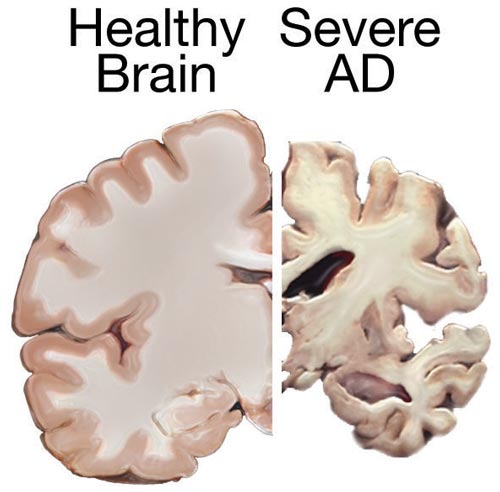
National Institutes of Health – https://www.nlm.nih.gov/medlineplus/magazine/issues/fall10/articles/fall10pg20-21.html
Moreover, the condition is characterized by a range of symptoms that affect memory. In addition, hinking, and communication. Furthermore, can significantly impact a person’s ability to carry out their daily activities. While there is currently no cure for dementia, treatments are available that can help manage symptoms and improve quality of life. Further research is needed to better understand the underlying causes of dementia and develop more effective treatments for the condition.
In conclusion, the onset of dementia varies from person to person, and there is no one-size-fits-all answer to the question of when it typically starts. Age is a significant risk factor, and the risk of developing dementia increases with age. Genetics also play a role in the development of dementia, with some forms of dementia being caused by genetic mutations. Lifestyle factors such as exercise, diet, and social engagement can reduce the risk of developing dementia, even in people who are genetically predisposed to the disease. Further research is needed to better understand the complex interplay between age, genetics, and lifestyle factors in the development of dementia.
Lastly, Dementia patient Jack Nicholson enjoyed a long and illustrious career, with numerous notable films and awards to his name. However, now his career ends.
What age does dementia usually start?
Conversations – Genius of Caring
Memory Loss & 10 Early Signs of Alzheimer’s | alz.org
Donate to Alzheimer’s Disease Research | Barrow Neurological Foundation (supportbarrow.org)
Symptoms of dementia – NHS (www.nhs.uk)
What age does dementia usually start?


