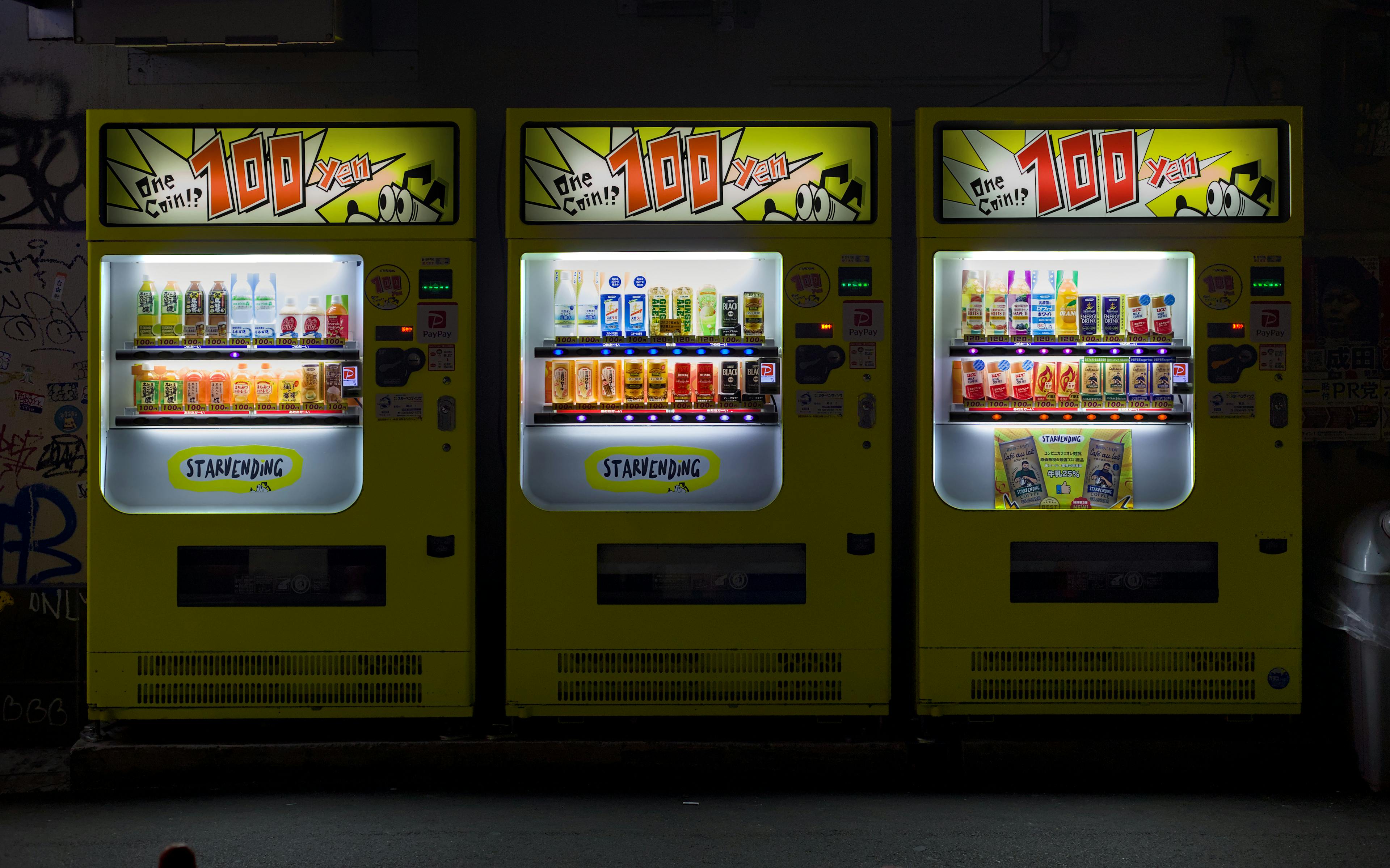
The Gacha Effect: How NekoDrop Vending Is Redefining Impulse Buying in Modern Malls

The traditional retail landscape is experiencing a profound structural shift driven by changing consumer behaviors and the rise of experiential commerce. For decades, automated retail was treated as a low-margin convenience play, with standard machines tucked away in corridors to satisfy basic physical needs like hunger or thirst. However, modern consumers, particularly Gen Z and Millennials, are no longer motivated by mere utility; they seek moments of micro-entertainment, surprise, and emotional connection during their physical shopping journeys. Integrating highly engaging NekoDrop vending machines into premium commercial properties is a positive way for landlords and operators to capture this evolving demographic and maximize square-footage profitability. By shifting the automated retail paradigm from baseline convenience to a gamified mystery drop experience, this innovative approach taps directly into modern collector culture and impulse buying psychology. For mall managers and retail hub developers looking to revitalize vacant floor space and generate high-margin revenue streams, understanding the psychological mechanics of this automated phenomenon is the key to thriving in a decentralized retail economy.
Deconstructing the Psychology of the Blind Box and the Gacha Mechanism
To understand why modern consumers queue up for automated mystery drops, one must analyze the powerful psychological phenomenon known as the gacha effect. Originating from Japanese capsule toy concepts, this mechanic relies heavily on the principle of variable reward schedules, a psychological concept where the anticipation of an unknown reward triggers a significant release of dopamine in the brain.
When a consumer interacts with a traditional retail display, the transaction is entirely transactional: money is exchanged for a known, predictable product. The mystery drop experience alters this dynamic completely by introducing an element of gamification. The consumer knows the category of items available, but the exact variant remains a mystery until the machine dispenses the package. This micro-moment of suspense transforms a mundane retail purchase into a thrilling emotional experience, making the act of buying just as valuable as the physical product itself.
Tapping Into Collector Culture: The Power of Nostalgia and Community
Traditional vending units operate on an immediate-depletion model, meaning the consumer eats the snack or drinks the beverage, and the loop ends entirely. Modern automated retail trends subvert this model by focusing on durable, highly collectible goods that anchor themselves into established cultural ecosystems.
The contemporary impulse economy is heavily fueled by collector culture, echoing the massive global success of Pop Mart blind boxes, Sanrio character merchandise, and Pokémon Trading Card Game packs. These products carry immense emotional weight, blending childhood nostalgia with modern aesthetic design. When these collectibles are placed inside a highly interactive automated environment, they instantly attract passionate communities of collectors who view the items not as disposable junk, but as valuable cultural assets to be displayed, traded, and shared on social media platforms like TikTok and Instagram.
High-Visibility Architecture: The Role of LED Displays and Visual Cues
In a crowded shopping mall environment, capturing the divided attention of a consumer walking past a storefront is an incredibly difficult task. Traditional vending designs often blend into the background, utilizing flat graphics and utilitarian fluorescent lighting that fails to inspire engagement.
The new wave of automated experiential retail utilizes high-visibility architectural design to break through the visual noise of modern commercial corridors. These units are built with vibrant, custom-themed exterior wraps and dynamic, multi-zoned LED lighting displays that create a distinct sense of theater on the mall floor. The glass display cases are arranged meticulously to highlight the premium, brightly colored packaging of the mystery boxes, turning the machine itself into a focal point. This intentional visual framing acts as a powerful psychological disruptor, compelling passing shoppers to halt their stride, investigate the display, and ultimately engage with the interface out of pure aesthetic curiosity.
The Quarterly SKU Refresh: Engineering Intentional FOMO
A major operational pitfall for traditional retail setups is product stagnation. If a consumer walks past the same inventory week after week, their brain quickly categorizes the space as static background noise, leading to a rapid drop-off in impulse purchases.
Advanced automated retail models solve this problem by implementing a strict quarterly stock keeping unit (SKU) refresh strategy. By deliberately limiting the production run of specific character series or collectible lines, operators create an intentional state of scarcity. This artificial scarcity triggers a powerful psychological response: the fear of missing out, or FOMO. Regular mall visitors quickly realize that if they do not purchase a desired blind box during their current visit, that specific collection may be permanently retired by the next month, driving instantaneous, high-margin conversion rates at the point of sale.
The Operational Architecture of Experiential Automation
To fully appreciate how these modern automated retail systems outperform traditional storefronts, it is helpful to look at how their core operational characteristics differ across key business metrics.
- Footprint Efficiency: Standard retail storefronts require substantial square footage, fitting rooms, and storage areas, whereas experiential automated units occupy less than three square meters of otherwise dead mall floor space.
- Labor Requirements: Traditional boutiques demand constant staffing, shift management, and customer service training, while automated systems operate continuously around the clock with zero on-site labor overhead.
- Inventory Agility: Brick-and-mortar stores face long supply chain cycles to update physical store layouts, while automated units allow for rapid SKU shifts and digital screen updates within minutes via cloud management.
- Margin Profiles: Low-margin convenience retail relies on massive volume to cover high overhead, whereas collectible mystery drops command premium novelty pricing, yielding exceptional profit margins per square meter.
By reviewing these core distinctions, commercial developers can easily see how shifting toward a tech-driven, experiential model maximizes structural efficiency while minimizing the high operational burdens associated with traditional retail leasing.

Image from Pexels
Driving Organic Foot Traffic and Viral Social Amplification
For mall management teams and commercial property owners, the value of a modern automated retail installation extends far beyond the direct revenue generated at the machine interface. These visually striking units function as organic destination points that actively draw foot traffic into underutilized wings of a shopping center.
Because the unboxing experience is inherently dramatic, it serves as perfect content for digital content creators and casual shoppers alike. Consumers regularly record their unboxing moments right in front of the machine, uploading the videos to social media networks to showcase whether they successfully pulled a rare chase variant of a collectible figurine. This constant stream of user-generated content provides free, authentic digital marketing for the retail hub, effectively putting the commercial property on the map for regional fan communities and driving new waves of motivated buyers to the physical location.
Maximizing Yield on Dead Space for Commercial Developers
Every commercial property manager faces the ongoing challenge of managing dead space—awkward architectural niches, wide transition corridors, or areas beneath escalators that are too small for a traditional inline store lease but too prominent to leave empty.
Deploying highly stylized automated retail units allows landlords to instantly convert these unprofitable gaps into high-yield financial assets. Because these machines require minimal physical footprints and basic electrical connections, they can be deployed strategically throughout a property to optimize guest traffic flow. Transforming an empty hallway into an vibrant, interactive retail zone enhances the overall consumer perception of the mall, creating a cohesive, modern atmosphere where every square meter contributes actively to the asset’s bottom-line performance.
Seamless Transactions and the Frictionless Impulse Purchase
The psychology of the impulse buy is highly sensitive to transaction friction. If a consumer experiences a delay during the checkout process—such as standing in a long line at a cash register or dealing with a slow, confusing credit card terminal—their logical brain has time to override the emotional impulse, frequently causing them to abandon the purchase entirely.
Modern automated retail ecosystems eliminate this friction by integrating lightning-fast, contactless payment gateways alongside ultra-responsive digital user interfaces. Shoppers can complete a transaction in seconds using mobile wallets, digital credit tokens, or tap-to-pay infrastructure. The machine processes the authorization instantly, and the automated delivery mechanism executes the mystery drop without delay. This seamless, highly optimized workflow preserves the emotional excitement of the purchase, locking in high-margin sales before consumer hesitation can set in.
Conclusion: Embracing the Future of Automated Commercial Spaces
The retail industry has evolved past the era of passive product presentation. To capture the attention and capital of contemporary consumers, property owners and entrepreneurs must transition toward models that offer genuine engagement, emotional resonance, and entertainment value.
By recognizing the deep psychological drivers behind collector culture and leveraging the self-contained efficiency of experiential automated retail, forward-thinking mall managers can successfully future-proof their physical environments. These highly visual, data-agile systems represent a profound evolution in how we approach consumer interaction and space activation. Capitalize on the momentum of the mystery drop trend, transform your underutilized commercial square footage into an active cultural destination, and build an innovative, high-margin retail landscape that inspires curiosity, drives viral engagement, and delivers continuous financial performance.
____________________________________________________________________________
Steven Lagrimas is a freelance writer specializing in STEM, business, health, politics, and the social sciences. His work explores the intersection of society, governance, innovation, and emerging global trends shaping communities and industries today.