

is University of Iceland Free For International Students?
No. The University has a $500 annual fee. So, wow, University of Iceland is basically “free” and remains one of the best deals in global universities & colleges! We love University of Iceland!
A Comprehensive Overview of The University of Iceland

Part 1: Life as a Student at the University of Iceland
The University of Iceland, located in the heart of Reykjavik, offers a unique educational experience characterized by a strong academic focus, a vibrant student life, and the enchanting backdrop of Iceland’s natural beauty.

Mynd af læknagarði sem er í eigu Háskóla Íslands.
Academic Environment?
The University of Iceland became renowned for its high academic standards and diverse range of programs.
With a strong emphasis on research, especially in fields like geosciences, environmental studies, and Nordic studies, the university provides students with a rich educational experience. Moreover, University of Iceland offers various undergraduate, graduate, and doctoral programs.
University of Iceland instruction occurs primarily in Icelandic, though many graduate programs are taught in English.
Campus Culture?
The university’s campus is a hub of activity, fostering a close-knit community atmosphere among its students. Equipped with modern facilities, libraries, and research centers. Furthermroe, the campus is also environmentally conscious, reflecting Iceland’s commitment to sustainability.

HÍ, Háskóli Íslands, University of Iceland; architect: Guðjón Samúelsson
Student Activities: Students at the University of Iceland have access to a wide array of extracurricular activities. Numerous clubs and organizations cater to a range of interests from academic and cultural societies to outdoor and environmental groups, reflecting the country’s strong connection with nature.
Living in Reykjavik?
The experience of living in Reykjavik, with its rich cultural scene, vibrant nightlife, and easy access to Iceland’s stunning natural landscapes, adds to the allure of studying at the university. The city became known for being student-friendly, offering a safe and welcoming environment.
Part 2: All Aspects of the University of Iceland

Location of Reykjavík
STEM and Other Academic Programs: The University of Iceland is particularly noted for its programs in geosciences, reflecting Iceland’s unique geological landscape. It also excels in environmental sciences, medicine, and Nordic studies. The university’s research output, particularly in these areas, is highly regarded.
Admissions: The admissions process at the University of Iceland is straightforward, with requirements varying by program. For international students, proficiency in English (or Icelandic for Icelandic-taught programs) is a prerequisite. Specific admission requirements, including any standardized test scores, are detailed on the university’s website.
Tuition and Costs?

Reykjavík in 1881
As a public university, the University of Iceland does not charge tuition fees for most programs, although there is a small registration fee. The cost of living in Reykjavik, however, can be high compared to other cities, and students should budget accordingly for accommodation, food, and other living expenses. But, we will get into that more in depth later on!

Local Culture and Food: Reykjavik’s cultural scene is a blend of traditional Icelandic heritage and modern European influences. The city offers a range of culinary experiences, from traditional Icelandic cuisine to international dishes. Festivals, music, and arts are an integral part of life in Reykjavik.
Student Body Size and Diversity: The university has a diverse student population, with a significant number of international students. This diversity enriches the campus culture, offering a global perspective to the student community.
Reputation and Prestige: Established in 1911, the University of Iceland has grown to become the country’s leading higher education institution. It is recognized both within Iceland and internationally for its academic excellence, particularly in research-intensive fields.

Historical population of Reykjavík
Studying at the University of Iceland offers a unique blend of high-quality education, a vibrant campus life, and the opportunity to experience life in one of the most beautiful and environmentally conscious countries in the world. The university’s focus on research and innovation, combined with the rich cultural and natural environment of Iceland, makes it a compelling choice for students seeking a distinctive educational experience.
Life in Iceland: Costs, Weather, and Lifestyle

Laugavegur main street in downtown Reykjavík

Reykjavík Airport, main building
Living in Iceland offers a unique and enriching experience, defined by its stunning natural beauty, distinctive culture, and high quality of life. However, life in Iceland also comes with its own set of challenges, including the cost of living, weather conditions, and geographical remoteness.
Cost of Living?
Iceland is known for its high cost of living at over $2,000 per month, which is among the highest in Europe. In addition twice the developed world’s average. As a result of its remote location and the need to import many goods. Key factors contributing to the cost include:

- Housing: Rent in Reykjavik, Iceland’s capital and largest city, can be quite high, especially in the city center. Housing costs in rural areas may be lower, but still significant.
- Food and Necessities: The cost of groceries is high as most food items are imported. Dining out can also be expensive.
- Transportation: While public transportation in Reykjavik is reliable, owning a car can be costly due to high fuel prices and import taxes on vehicles.
- Utilities: Heating and electricity are relatively affordable, benefiting from Iceland’s extensive use of geothermal energy.
Weather and Sunshine

Iceland’s weather is characterized by its variability. Key aspects include:
- Temperature: Iceland’s climate is subarctic, but the Gulf Stream brings milder temperatures. Winters are cold, but not as severe as in similar latitudes, and summers are cool, with average temperatures around 10-13°C (50-55°F).
- Sunlight: Daylight hours vary greatly. In winter, Reykjavik sees only about 4-5 hours of daylight, while in summer, there are nearly 24 hours of daylight, known as the “Midnight Sun.”
- Conditions: The weather can change rapidly, and it’s not uncommon to experience multiple seasons in one day. Wind and rain are common throughout the year.
Lifestyle and Culture

The Nesjavellir Geothermal Power Station services the Capital Region‘s hot water and electricity needs. Virtually all of Iceland’s electricity comes from renewable resources.
Iceland’s culture and lifestyle are deeply connected to its natural environment and Norse heritage. Important aspects include:

Sea-faring Norsemen
- Outdoor Activities: Firstly, the stunning landscapes offer opportunities for outdoor activities like hiking, skiing, and whale watching.
- Social Life: Secondly, Iceland has a vibrant cultural scene with numerous festivals, a thriving music scene, and a strong literary tradition.
- Wellness: Lastly, the geothermal pools and spas, such as the Blue Lagoon, are popular for relaxation and socializing. Iceland remains a gem on this planet, as a result, the physical location acts as a tremendous draw.

Travel Costs?
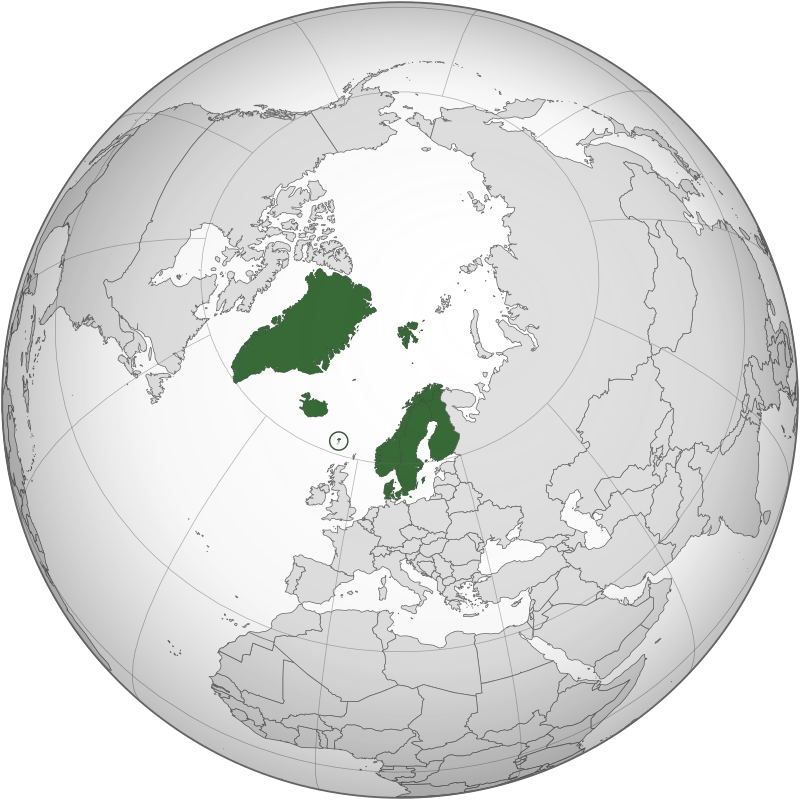
Land controlled by the Nordic countries shown in dark green. Bouvet Island and Antarctic claims not shown.
Being an island nation, traveling to and from Iceland mainly involves air travel. Flights to mainland Europe and North America can be quite costly, although prices vary based on season and booking time. Iceland’s main international airport, Keflavik, serves numerous destinations, and Icelandair offers relatively affordable transatlantic flights, often with the option for a free stopover in Iceland. You can fly direct to London for a very minimal cost. However, flights to the United States will run north of $500.

A page of Njáls saga from Möðruvallabók. The sagas are a significant part of the Icelandic heritage.
In conclusion, living in Iceland offers a remarkable experience, marked by breathtaking natural beauty, a rich cultural life, and a strong sense of community. However, the high cost of living and unique weather conditions are significant considerations for those planning to move or stay in Iceland. Lasly, the country’s connectivity to Europe and America, while facilitated by regular flights, can also add to the cost of living, especially for those who travel frequently.


