

is Pitt or Syracuse Better?
Whether the University of Pittsburgh (Pitt) or Syracuse University is better depends on your academic interests, career goals, and preferences for campus life. Both universities have strong reputations, but they differ in focus and strengths. Here’s a comparison to help guide your decision:
Academic Reputation
- Pitt: Renowned for its health sciences, particularly its strong connection to the University of Pittsburgh Medical Center (UPMC). Pitt also excels in engineering, public health, and international relations. It is an R1 research institution, with over $1 billion in annual research funding.
- Syracuse: Known for its communications and journalism programs, particularly through the S.I. Newhouse School of Public Communications, one of the best in the country. Syracuse also has strong programs in business, architecture, and public administration through its Maxwell School.
Verdict: Pitt is better for health sciences and engineering, while Syracuse stands out in communications, public policy, and business.
Research Opportunities
- Pitt: Offers extensive research opportunities in medical fields, engineering, and public health. Undergraduates often work on groundbreaking projects, particularly in partnership with UPMC.
- Syracuse: Provides solid research opportunities but lacks the same level of funding or resources as Pitt. Research is more focused on social sciences, communications, and public policy.
Verdict: Pitt has a significant advantage in research funding and opportunities.
Campus Environment
- Pitt: Located in the urban neighborhood of Oakland in Pittsburgh, the campus offers access to cultural institutions, professional opportunities, and a dynamic city environment. It’s ideal for students who enjoy an urban setting with a strong mix of academics and professional exposure.
- Syracuse: Located in upstate New York, Syracuse has a more traditional college campus feel. The campus features classic architecture and offers a mix of suburban and urban experiences, with a strong focus on school pride and community.
Verdict: Pitt offers an urban experience, while Syracuse provides a more traditional campus environment.
Athletics and School Spirit
- Pitt: A member of the ACC, Pitt has a growing athletics program with football and basketball drawing attention, though school spirit is moderate compared to some larger state schools.
- Syracuse: Known for its strong basketball program, with a storied history that generates significant school pride. Football and lacrosse are also popular, with a more unified fan base.
Verdict: Syracuse has the edge in school spirit and athletics, especially for basketball fans.
Cost
- Pitt: In-state tuition is approximately $20,362 per year, while out-of-state tuition is around $37,340.
- Syracuse: As a private university, tuition is higher at approximately $60,000 per year, though financial aid and scholarships can offset costs.
Verdict: Pitt is generally more affordable, especially for in-state students.
Best Majors
- Pitt: Nursing, pre-med, bioengineering, public health, computer science, and international relations.
- Syracuse: Communications, journalism, public policy, business, architecture, and fine arts.
Career Outcomes
- Pitt: Strong placement in healthcare, engineering, and public health due to its proximity to UPMC and Pittsburgh’s growing industries. Its urban location provides excellent access to internships and jobs.
- Syracuse: Exceptional placement in media, journalism, and public policy, with alumni working at top organizations like ESPN, CNN, and major public agencies.
Verdict: Choose Pitt for healthcare and STEM fields, and Syracuse for communications, business, or policy-related careers.
Conclusion
- Choose Pitt if you’re interested in health sciences, engineering, or public health, and prefer an urban campus with extensive research opportunities.
- Choose Syracuse if you’re passionate about communications, journalism, public policy, or business, and prefer a traditional campus with strong school spirit.
Both universities are highly respected and provide excellent opportunities, but the choice ultimately depends on your academic goals and campus preferences.
Comprehensive Review of the University of Pittsburgh (Pitt)

History and Background The University of Pittsburgh, often referred to as Pitt, is a prestigious public research university located in Pittsburgh, Pennsylvania. Founded in 1787 as the Pittsburgh Academy, it is one of the oldest institutions of higher education in the United States.

Over its rich history, Pitt evolved from a small frontier school into a world-class university. Moreover, recognized for its contributions to research, education, and the community.

In 1908, it moved to its current Oakland neighborhood location, solidifying its presence in the heart of the city. The iconic Cathedral of Learning, a 42-story Gothic tower, has become a symbol of the university’s tradition and ambition.

Pitt stands highly respected for its rigorous academics!
In addition, groundbreaking research, and strong commitment to community engagement. It is classified as an R1 research institution, indicating the highest level of research activity.

Furthermore, Pitt is especially known for its partnerships with the University of Pittsburgh Medical Center (UPMC), which is consistently ranked among the best hospitals in the nation. The university’s reputation extends internationally, particularly in fields like medicine, engineering, and public health. Alumni and employers often describe Pitt graduates as well-prepared, innovative, and resilient, which bolsters the school’s standing.
Known For

- Medical and Health Sciences: Pitt is a leader in health sciences, largely due to its association with UPMC. Its School of Medicine and programs in nursing, public health, and biomedical sciences are highly ranked.
- Research: With research expenditures exceeding $1 billion annually, Pitt excels in areas like biotechnology, public health, and sustainability.
- Engineering: The Swanson School of Engineering is known for its strong programs in bioengineering, mechanical engineering, and materials science.
- Public Affairs and Policy: The Graduate School of Public and International Affairs (GSPIA) is highly regarded for its programs in public policy, international relations, and urban development.
- Cathedral of Learning: The iconic building houses the Nationality Rooms, unique classrooms that represent the heritage of Pittsburgh’s immigrant communities.

Word on the Street
Pitt is often described as a “hidden gem” among public universities, offering Ivy League-quality programs at a more affordable price. Students praise its robust academic environment, hands-on learning opportunities, and access to internships and research positions. However, some students note that while the urban campus provides numerous benefits, the weather can be a downside, with Pittsburgh experiencing frequent rain and cold winters.
Campus Vibe

The Pitt campus, located in the Oakland neighborhood, offers a vibrant, urban college experience. Proximity to cultural institutions Carnegie Museums, Schenley Park, and downtown Pittsburgh offers students access to a wealth of activities. The campus blends historic architecture, like the Cathedral of Learning, with modern facilities, creating a dynamic environment.

Additionally, Students describe the atmosphere as inclusive and collaborative, over 400 student organizations catering to a wide array of interests. Panther athletics, particularly basketball and football, foster school spirit, though it’s not as intense as at some larger state schools.
Best Majors

Jonas Salk at the University of Pittsburgh where he developed the first polio vaccine.
- Health Sciences: Nursing, pre-med, public health.
- Engineering: Bioengineering, mechanical engineering, electrical engineering.
- Business: Finance, marketing, supply chain management.
- Computer Science: Software development, cybersecurity, and data science.
- Public Policy and International Relations: Programs through GSPIA.
Reasons to Attend?

- Academic Excellence: Highly regarded programs in health sciences, engineering, and public policy.
- Research Opportunities: Extensive opportunities for undergraduates to engage in research.
- Strong Career Outcomes: Access to internships and partnerships with major employers, including UPMC and Fortune 500 companies.
- Urban Location: Vibrant city life with cultural, professional, and recreational opportunities.
- Diverse Student Organizations: Over 400 clubs to explore interests and build a sense of community.
Reasons Not to Attend

- Weather: Pittsburgh’s frequent rain and cold winters may not appeal to everyone.
- Urban Environment: The city location may not suit students seeking a traditional college-town atmosphere.
- Cost: Out-of-state tuition can be high for a public university.
- Limited Campus Housing: On-campus housing can be competitive, especially for upperclassmen.
Data Table for Prospective Students

| Category | Details |
|---|---|
| Location | Pittsburgh, Pennsylvania |
| Founded | 1787 |
| Undergraduate Enrollment | ~19,200 |
| Acceptance Rate | ~49% |
| Tuition (In-State) | ~$20,362 per year |
| Tuition (Out-of-State) | ~$37,340 per year |
| Average SAT Score | 1250-1420 |
| Average ACT Score | 28-32 |
| Research Funding | $1 billion+ annually |
| Popular Majors | Nursing, Bioengineering, Finance, Public Health |
| Campus Size | 145 acres |
| Mascot | Roc the Panther |
| Graduation Rate | ~79% |
| Median Starting Salary | ~$58,000 |
In conclusion The University of Pittsburgh is an excellent choice for students seeking a robust academic environment. Thus, with access to top-tier research opportunities and a vibrant urban campus. Excels in health sciences, engineering, and public policy. As a result, enjoys a strong reputation for preparing students for successful careers.

While the cost and weather may be drawbacks for some. However, Pitt’s blend of academic rigor, cultural richness, and professional opportunities make it a highly respected and worthwhile institution. For those looking to thrive in an innovative, collaborative, and inclusive community, lastly, Pitt offers a compelling experience.

Colleges Ranking Index by Rebellion Research
An Exhaustive Examination of Syracuse University!
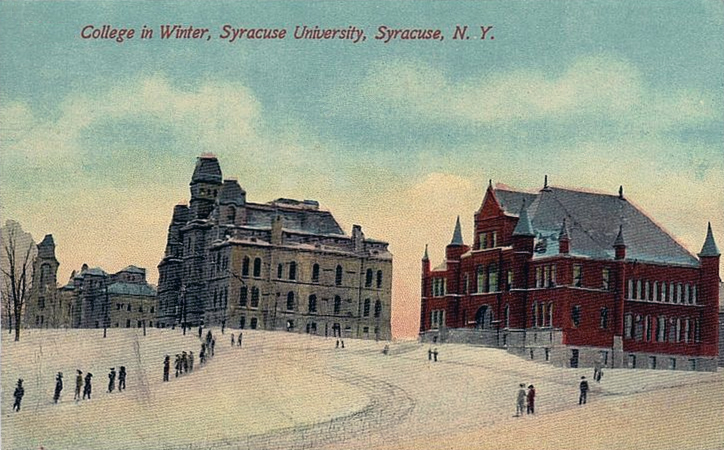
Left to right: Hall of Languages and Von Ranke Library
Syracuse University, located in Syracuse, New York, is a private research university known for its vibrant campus life, comprehensive academic offerings, and commitment to research and innovation. This essay delves into Syracuse University’s admission standards, cost of attendance, history, prestige, and its distinctive attributes.
Admission Standards
Admission to Syracuse University is selective, with the institution seeking students who have demonstrated strong academic abilities in high school. Several factors are considered during the admissions process, including high school GPA, rigor of high school courses, SAT/ACT scores, extracurricular involvement, leadership experiences, letters of recommendation, and the personal essay.
Cost of Attendance?

First Annual Class of Syracuse University.
As a private university, Syracuse has a higher tuition rate compared to public institutions. However, it offers numerous scholarships and financial aid opportunities to help students manage the costs of education. The cost of attendance includes tuition and fees, room and board, books and supplies, and personal expenses. Living in Syracuse is relatively affordable compared to many other cities in the U.S., which can also help mitigate costs.
History and Prestige

From left to right: Bowne Hall, Carnegie Library, Archbold Gymnasium
Syracuse University was founded in 1870 and has since grown into a highly reputable institution. The university has consistently been recognized as a top-tier research university and is a member of the Association of American Universities, an association of the 63 leading research universities in the United States and Canada.

Roy D. Simmons Sr. Coaches Center at the John A. Lally Athletics Complex in South Campus
Syracuse University has several highly ranked programs, including its School of Information Studies, College of Engineering and Computer Science, S.I. Newhouse School of Public Communications, and Martin J. Whitman School of Management. The university’s dedication to comprehensive learning, diversity, and robust research initiatives contribute to its prestige and reputation.
What is Syracuse University Known For?

Stephen Crane (front row, center) sits with baseball teammates on the steps of the Hall of Languages 1891.
Unknown author – http://sumagazine.syr.edu/2010summer/features/crane.html
Syracuse University offers over 200 majors across its thirteen schools and colleges. The university is particularly known for its programs in communications, information studies, business, and engineering. In addition to its diverse academic programs, Syracuse is renowned for its robust study abroad programs, which offer students a global perspective and cultural exposure.

The Old Row, campus of Syracuse University, 1920
Beyond academics, Syracuse is also known for its school spirit, particularly around its athletic teams, known as the Syracuse Orange. The university’s campus life is vibrant and offers numerous student organizations and activities.

Syracuse University, with its diverse academic programs, commitment to research, and vibrant campus life, is indeed a ‘good’ university. Its selectivity and reputation for academic rigor signal a quality education.

The Nancy Cantor Warehouse
However, as with any institution, the fit for a prospective student depends on their academic interests, career goals, and personal preferences. Therefore, individuals considering Syracuse University should conduct thorough research and self-reflection to ascertain if it aligns with their academic and personal aspirations.

Bird Library at Syracuse University

Lubin House in Manhattan

Slocum Hall, The School of Architecture
is Syracuse good?
Sources:
l? es Pi gh Wh in Pi PA us Un Wh Pi gs Un U.S. gh ns l? Re wh Un ew ws


