

is Florida State a good school?

Landis Green is located in the center of the main campus.
Yes! FSU stands as an excellent choice for students all over America! Vibrant campus, engaged professors leading their fields.

Westcott Building – named for university benefactor and Florida Supreme Court Justice James D. Westcott III.
In addition, yes, a wonderful party scene! Moreover, the exceptionally large campus provides a social network for people of all types and backgrounds!! As diverse as one could imagine!
Florida State University (FSU) is a public research university in Tallahassee, the capital of Florida, United States. FSU has a rich history that dates back to the early 19th century.
The university’s roots trace back to the establishment of the West Florida Seminary in 1851!

A green space near Landis and Gilchrist residence halls, on the main campus. These oak trees planted by students in 1932.
As a result, making it one of the oldest institutions of higher education in Florida. During the 1850s, the seminary absorbed the Tallahassee Female Academy (founded in 1843) and became coeducational.
During the American Civil War, the seminary became The Florida Military and Collegiate Institute. Providing training for officer candidates. And, in 1863, managed to keep classes going through the Civil War – something few southern colleges managed to do.
After the Civil War, in 1883, the institution moved to its present location, a plot of land known as “College Hill.”
The school underwent another change in 1885. When Florida Governor Perry signed legislation to expand the institution’s offerings and it became Florida State College.
The Buckman Act of 1905 brought significant changes, transforming the institution into a women’s college named the Florida Female College. Following these changes, the University of Florida became designated as the state’s men’s college. The Florida Female College, renamed Florida State College for Women in 1909.
Post World War II

James E. King Life Sciences Teaching & Research Center.
In 1947, responding to the influx of returning veterans with the GI Bill and the demand for higher education. As a result, the school changed back to a coeducational institution and renamed Florida State University. The third institution designated as a university in Florida.

Aerial view of the dedication game during the inaugural season for FSU at Doak Campbell Stadium on October 7, 1950.
Since then, FSU has grown into a major comprehensive, graduate-research university with a strong liberal arts foundation. Its 16 colleges offer more than 300 undergraduate, graduate, doctoral, professional, and specialist degree programs, including medicine and law. FSU also enjoys a stellar reputation for its programs in business, engineering, and the sciences.

Marching Chiefs Show.
The university has also gained recognition for its extensive study abroad programs, commitment to diversity, and vibrant athletic programs. FSU’s sports teams, known as the Seminoles, compete in the Atlantic Coast Conference (ACC) of the NCAA Division I.
Moreover, throughout its history, Florida State University has become dedicated to excellence in teaching! Additionally, research, and service, and continues to contribute to the public, the state, and the global community.
Admissions?

Chemistry lab in 1900, then known as the West Florida Seminary.
Admission to Florida State University (FSU) is competitive and considers a holistic review of all the information. Both academic and personal—presented on your application.
FSU doesn’t state a minimum GPA requirement, but the admitted students typically have strong academic records. The middle 50% GPA range for admitted freshmen, around 4.1-4.5 (weighted).
Similarly, for standardized tests, FSU does not have a minimum score requirement. The middle 50% SAT range for admitted freshmen was roughly 1220-1340. The ACT composite score for the middle 50% ranged from 27-31. Please note that these are only averages, and admission does not solely become determined by these scores.
Cost of Attendance?

The cost of attending FSU varies based on a number of factors. Including whether you’re an in-state or out-of-state student, your housing choices, and personal expenses. Here are some estimates based on figures from 2021:
- Tuition and Fees: For in-state students, tuition and fees were roughly $6,500 per year. For out-of-state students, these costs were around $21,700 per year.
- Room and Board: On-campus housing and meal plans cost approximately $10,400 per year.
- Books and Supplies: The estimated cost for books and supplies was about $1,000 per year.
- Other Expenses: This can include transportation, personal expenses, etc., and was estimated at $2,500 per year.

Halftime!
Remember, these are estimates and the actual costs may vary. Furthermore, FSU offers a variety of financial aid options. Including scholarships, grants, loans, and work-study programs to help offset these costs.
Please check the most current information from the FSU’s official website. Or contact the university’s admissions office directly, as requirements and costs can change over time.
Prestige?

Sir Harold Kroto, a Nobel Prize Laureate, Francis Eppes Professor of Chemistry, FSU.
Florida State University (FSU) enjoys a solid reputation and has been recognized in several areas for its excellence and dedication to academic achievement.
In the U.S. News & World Report’s 2021 rankings, FSU was listed as one of the top 20 public universities in the United States!

The field is named after former coach Bobby Bowden.
In addition, worth noting that rankings should be used as one of many factors when considering the prestige of a university as they can vary based on the criteria used by the ranking organization.
Academic Excellence?

Dr. Norman Thagard. NASA – https://www.jsc.nasa.gov/Bios/htmlbios/thagard.html https://twitter.com/NASAhistory/status/881860088398585857
FSU has strong programs in a variety of fields. For instance, its programs in business, engineering, nursing, criminology, and public policy are particularly highly regarded. It’s also renowned for its robust liberal arts and sciences curriculum.
Research Impact?
FSU is classified as a Research University with Very High Research by the Carnegie Foundation. This recognition signifies that FSU is committed to research that impacts society at large. FSU’s research in fields like physics, chemistry, and engineering is recognized globally.
Faculty?
Many of FSU’s faculty are leaders in their fields. They include a Nobel Laureate, three active members of the National Academy of Sciences, two active members of the American Academy of Arts and Sciences, and two Pulitzer Prize winners, among others.
Study Abroad Programs?

Alumnus Gov. Reubin Askew. State of Florida – http://dhr.dos.state.fl.us/facts/history/governors/governor.cfm?id=44
FSU has a strong commitment to global learning, with one of the largest Study Abroad programs among public universities in the U.S. This dedication to global education can enhance the prestige of the university.
Athletics?
FSU’s athletic teams, the Seminoles, compete in the Atlantic Coast Conference (ACC) of NCAA Division I, one of the most competitive conferences in the nation. Their success in athletics, particularly football, has contributed to the university’s visibility and prestige.

Rep. Jason Altmire. Unknown author – http://altmire.house.gov/images/portrait1_optim.jpg

Alumnus Winston Scott
is Florida State a good school?

New York State Normal College on Western Avenue in 1909

Alumnus Hamdi Ulukaya, CEO of Chobani. Benjamin Applebaum – https://www.dhs.gov/medialibrary/collections/29186
An In-depth Look at the University at Albany, State University of New York
The University at Albany, part of the State University of New York (SUNY) system. Moreover, a public research university located in Albany, New York.

Broadway in Albany during the funeral ceremonies for Abraham Lincoln (1865)
Moreover, offering a range of undergraduate and graduate programs! UAlbany stands recognized for its commitment to research, academic excellence, and public service. This essay discusses the admission standards, cost, history, prestige, and distinctiveness of the University at Albany.
Admission Standards
As a public research university, the University at Albany maintains a moderately competitive admissions process. As of 2021, the average GPA of incoming freshmen was approximately 3.6 on a 4.0 scale.
Babson College President sits down with Rebellion Research
Dartmouth College President sits down with Rebellion Research
When considering standardized testing, the middle 50% SAT range for admitted students was roughly 1080-1270. However, the university is test-optional, allowing students to apply without submitting SAT or ACT scores. UAlbany evaluates applicants holistically, taking into account academic achievements, extracurricular activities, leadership experiences, and personal essays.
Cost of Living and Attendance?

This 1895 map of Albany shows the gridded block system as it expanded around the former turnpikes.
Estimated total cost of attendance for in-state undergraduate students at UAlbany. Including tuition, fees, housing, meals, books, and personal expenses, was approximately $26,000. For out-of-state students, the estimated total cost of attendance was about $44,000.
Living in Albany, New York, comes with a cost of living slightly above the national average. However, notably less than in larger cities like New York City!
Importantly, the university offers a variety of financial aid options. With around 75% of students receiving some form of financial assistance.
History and Prestige
Founded in 1844, the University at Albany has a rich history of providing quality public education. One of 64 campuses in the SUNY system. Thus, the largest comprehensive system of universities, colleges, and community colleges in the United States.
In terms of prestige, UAlbany consistently ranks among the top public universities in the nation. As of 2021, U.S. News & World Report ranked it among the top 100 public universities in the country. These rankings reflect the university’s dedication to delivering high-quality education and conducting significant research.
University at Albany Known For?

North Pearl Street from Maiden Lane North a circa 1805 portrait by James Eights
UAlbany offers more than 50 undergraduate majors and 125 graduate degree programs. However, particularly recognized for its programs in criminal justice, social welfare, public administration, and psychology. Furthermore, known for its School of Public Health and the Rockefeller College of Public Affairs & Policy.
The university also offers a vibrant campus life, with numerous student clubs, organizations, and Division I athletics. Moreover, being in the state capital provides students with opportunities! For internships and jobs within the government and various other industries.
In conclusion, the University at Albany can certainly become considered a ‘good’ school. With its strong academic programs, commitment to research, and comprehensive student life. However, whether it’s the ‘right’ school is subjective! And, as a result, depends on an individual’s specific academic interests, career goals, and personal preferences.

The Albany Lumber District was home to the largest lumber market in the nation in 1865.[71]
is Florida State a good school?
University at Albany, SUNY – Wikipedia
Yes, Umass Amherst stands as an excellent university.
Moreover, considered among the top 200 globally in almost every university ranking index.
Furthermore, the school offers a spectacular array of fields of study. From agriculture, to biotechnology to finance & accounting.
Furthermore, the university is a member of the Five College system. As a result, students enjoy access to Amherst College, a school that rivals Harvard & Princeton. In addition, to Smith, Mt. Holyoke & Hampshire College! (see: Five College Consortium – Wikipedia)

Rebellion Research CEO lecturing at UMass
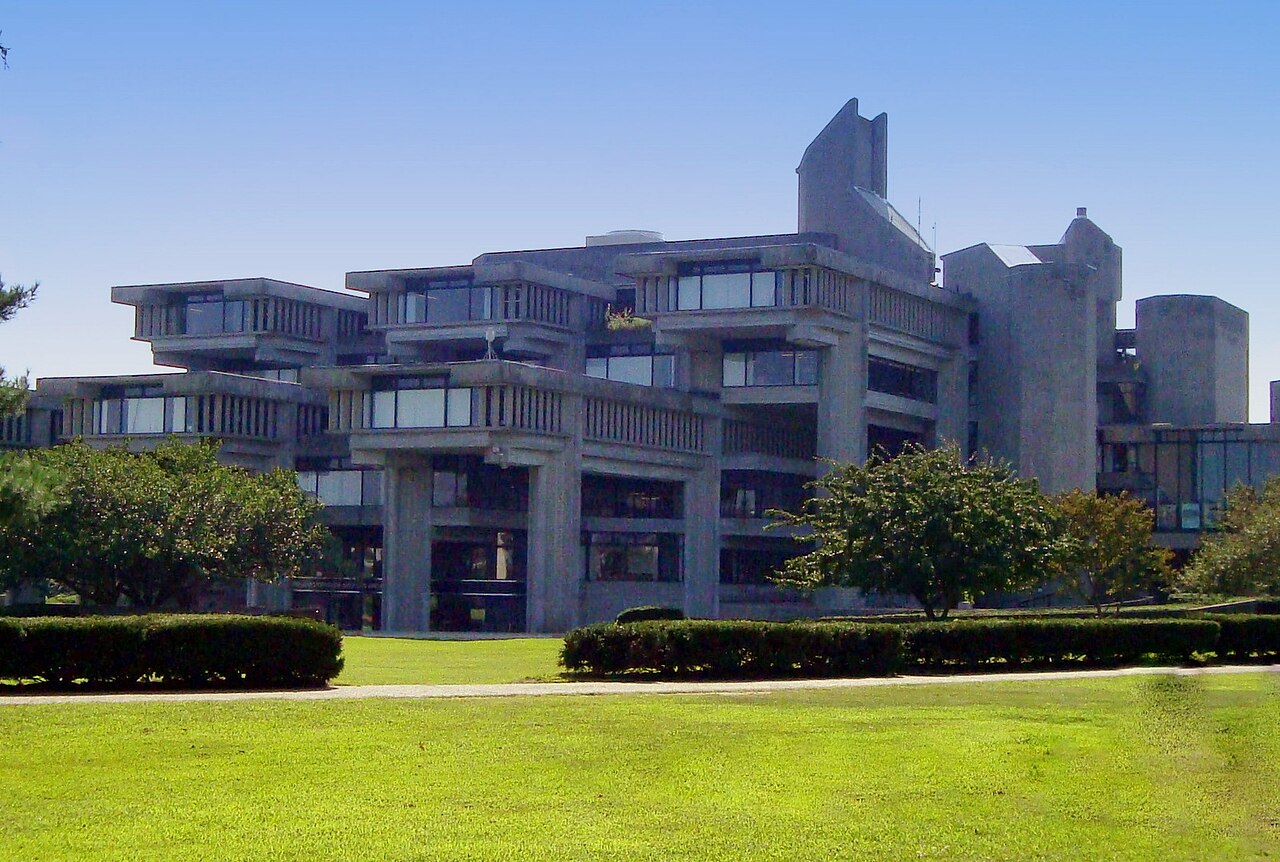
The Claire T. Carney Library

Cumnock Hall, on North Campus

Graça Machel (DHL), First Lady of South Africa
is Florida State a good school?
is Boston University good?

688 Boylston Street, the early home of the College of Liberal Arts, the precursor to the College of Arts & Sciences
Before we begin our University examination, let’s look at the story of a current BU student:
My journey at Boston University (BU) unfolded like a roller coaster ride!
Marked by dynamics of highs and lows. Ultimately forging a complex love-hate relationship with the institution and the city of Boston.
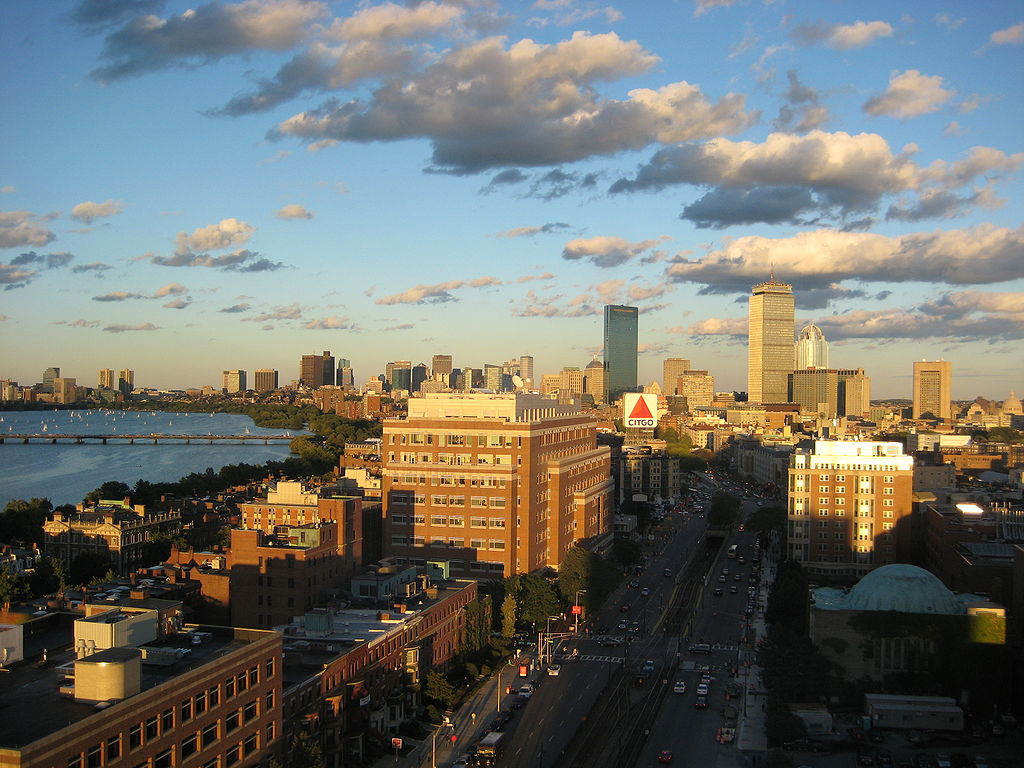
Boston University’s East Campus along Commonwealth Avenue
Upon my arrival at BU, initially excited by the anticipation of a curriculum tailored to my chosen concentrations. However, the structure of the business school led to disappointment. The design of the curriculum demanded we undertake a multitude of courses outside our major before specializing. Thus, leading me to partake in classes in fields like philosophical logic and global health. While these courses were not my primary focus, they broadened my range of education and my intellectual curiosity.
Parallel to my academic journey, the city of Boston itself represented another aspect of my BU experience. Having become raised in the chaotic natures of global metropolises like New York, Shenzhen, and Taipei. As a result, Boston’s pace and quieter winters proved a challenging transition.
The early closing hours of shops and restaurants. Coupled with the city’s serene winters, proved a difficult transition for an individual like me!

The Talbot Building located on the medical campus houses the School of Public Health
Amidst these challenges, BU has been a transformative force, profoundly shaping my personality and career aspirations. This institution introduced me to an extraordinary array of individuals. Friends, mentors, and advisors who have become an integral part of my life. Their unwavering support and guidance have been instrumental in defining my outlook and preparing me for my professional career.
In retrospect, despite the rocky start and unexpected obstacles. My tenure at BU and life in Boston have been both enriching and rewarding. The downturns have become balanced by incredible relationships and personal growth. So, while my BU experience has indeed been a roller coaster ride. It’s been an exhilarating one that I would not trade for anything.
BU, or Boston University, is a private research university located in Boston, Massachusetts.
Let’s discuss the academic prestige of BU. Moreover, the cost of living in Boston, STEM and liberal arts offerings. In addition, the history of the school. Academic standards for acceptance, the admissions process. Additionally, expected GPA and SAT scores for admission, teacher faculty ratio, and the cost of attending the university.
is Florida State a good school?
is Florida State a good school?
Academic Prestige?
Boston University, considered one of the top universities in the United States. And particularly renowned for its programs in business, communications, and the arts. The university has a strong reputation for research excellence and innovation. And it has produced numerous Nobel laureates and other distinguished scholars. BU is also well-known for its commitment to diversity and inclusion, with a diverse student body and faculty.

Inside Agganis Arena after a hockey game
Cost of Living?
The cost of living in Boston can become relatively high compared to other cities in the United States. However, still generally more affordable than other major cities like New York or San Francisco. Housing and dining costs can be significant expenses for students. However, the university offers a range of affordable housing options for students, including dormitories and shared apartments. Additionally, there are many student discounts available for transportation and entertainment, which can help to offset the cost of living.
STEM and Liberal Arts Offerings?
Boston University offers a wide range of STEM and liberal arts programs, including majors in engineering, computer science, mathematics, biology, history, literature, philosophy, and many other fields. The university also offers a variety of interdisciplinary programs, such as the Global Health program and the Digital Media program.

Martin Luther King Jr. earned a PhD from BU in 1955
History of the School?
Boston University founded in 1839 as a Methodist seminary. However, it has since grown into a major research university with a diverse range of academic programs. Over the years, the university has undergone many changes and transformations. But it has remained committed to its mission of providing a high-quality education to students from all backgrounds.
What BU is Known for?
Known for its research excellence and innovation, particularly in the fields of business, communications, and the arts.
Also known for its commitment to diversity and inclusion. With a diverse student body and faculty. Additionally, BU, known for its beautiful campus and its location in the heart of Boston. Moreover, a major cultural and intellectual hub in the United States. I’ve driven through the campus one hundred times. Its great!
is Florida State a good school?
is Florida State a good school?
Academic Standards for Acceptance: Boston University has high academic standards for acceptance, particularly for its most competitive programs. The university requires students to have a strong academic record, with an average GPA of around 3.5. Additionally, students become required to submit standardized test scores, such as the SAT or ACT. BU also considers other factors such as extracurricular activities and letters of recommendation.
Admissions Process: The admissions process at Boston University is highly competitive. With thousands of students vying for a limited number of spots each year. Students must submit an application, transcripts, test scores, and letters of recommendation. The admissions process is holistic. As a result, means that Boston University considers a range of factors when making decisions. Including academic performance, extracurricular activities, community service, and personal characteristics.
Expected GPA and SAT Score for Admission?
Boston University typically requires students to have an average GPA of around 3.5 or higher. Although the exact GPA requirements may vary depending on the program and level of study. The university also requires students to submit standardized test scores, with an average SAT score of around 1400 or higher.
is Florida State a good school?
is Florida State a good school?
Teacher Faculty Ratio?
Boston University has a relatively low teacher faculty ratio, with a ratio of about 10:1. This means that students have the opportunity to work closely with faculty members. Experts in their fields, and students receive individualized attention and support.
The cost of attending Boston University as an undergraduate can vary depending on a number of factors. Such as whether you are an in-state or out-of-state student. Whether you live on or off campus, and what program you become enrolled in. However, here are some general estimates for the cost of attendance for the 2022-2023 academic year:
Tuition and Fees:
- Tuition: $58,560 per year
- Fees: $1,188 per year
Room and Board:
- On-campus housing: $11,480-$16,190 per year, depending on the dormitory and meal plan chosen
- Off-campus housing: $10,600-$16,800 per year, depending on the location and type of housing
is Phillips Exeter worth it?
During my time at Phillips Exeter. I have become exposed to countless new cultures, religions, customs, and people from across the world. It is in stark contrast to the generally homogenous community of the public high school I attended before coming to Phillips Exeter!
I can say with certainty that never before coming to Phillips Exeter did I sit around a Harkness table with people from up to four different continents at the same time. Furthermore, discuss the pressing issues that our society faces today.
Phililips Exeter broadened my horizons greatly. In addition allowed for me to obtain a greater understanding of the world I live in.
As the math problems I faced in classes became increasingly difficult throughout my highschool years, I looked for help. I sought help from teachers, textbooks, online learning services, parents, as well as peers. Having a classmate or older student explain complex problems to me almost always yielded a stronger understanding than any of the other aforementioned methods.
For this reason, when I became given the opportunity to become a math peer tutor in my freshman year of high school. I graciously accepted. It began a bit rocky! As my level of understanding in certain areas was often less than or equal to the students who I was trying to help. However, this led me to seek a deeper understanding in all the topics I learned about. As a result, I was always able to assist those who came to me. It drove me to dig deeper. Furthermore, answer the “why” of every problem I encountered. Rather than just memorizing a method to get the right answer. This skill has served me well in many facets.
How hard is it to get into Phillips Exeter Academy?
is Florida State a good school?
is Florida State a good school?

View from the tower of Phillips Church in 1911, showing Alumni Hall (1903, now Mayer Art Center), and third Academy Building (1872–1914)
View from tower of Phillips Church, Exeter, New Hampshire. At right is the 3rd Academy Building, designed by the Boston architectural firm of Peabody & Stearns. Built to replace the 2nd Academy Building, which burned on December 20, 1870. And would itself burn on July 4, 1914. In the distance is the Squamscott River.
Phillips Exeter Academy, located in Exeter, New Hampshire, is a prestigious, highly selective, co-educational independent boarding school. Widely regarded as one of the most academically rigorous and competitive schools in the United States. Admission to Phillips Exeter Academy is a challenging process that requires dedication and effort from applicants. This essay will explore the application process, the factors that the school considers when making admission decisions, and the level of difficulty of getting into Phillips Exeter Academy.
The application process for Phillips Exeter Academy is comprehensive and rigorous, involving multiple stages. The first stage of the process is the submission of the application, which includes essays, transcripts, standardized test scores, recommendations from teachers, and an interview. The application process is highly competitive, with the school receiving thousands of applications every year, and only admitting a fraction of the applicants.

When making admission decisions, Phillips Exeter Academy considers a range of factors, including academic achievement, extracurricular activities, character, and potential for leadership. The school looks for students who have demonstrated exceptional academic achievement, as well as a commitment to intellectual curiosity and academic rigor. Additionally, the school values students who have shown leadership potential through their involvement in extracurricular activities, community service, and other forms of engagement.
is Florida State a good school?
is Florida State a good school?
The level of difficulty of getting into Phillips Exeter Academy is high, with an acceptance rate of around 15%. As a result, means that out of thousands of applicants, only a small fraction will become admitted. The school is highly selective! And looks for students who are not only academically strong but also demonstrate leadership potential, intellectual curiosity, and a commitment to serving their communities.

Student body, Phillips Exeter Academy, ca. 1903
E. Chickering & Co. – http://lcweb2.loc.gov/cgi-bin/query/I?
The school’s high level of academic rigor and selectivity makes it an attractive option for students who are seeking a challenging and rewarding academic experience. However, it also means that the application process is highly competitive. And applicants need to become well-prepared and dedicated to their studies and extracurricular activities.
is Florida State a good school?
is Florida State a good school?
In conclusion, getting into Phillips Exeter Academy is a challenging process that requires dedication, effort, and commitment from applicants. The school is highly selective and values academic achievement, leadership potential, and character.

Letter from President Abraham Lincoln to Mary Todd Lincoln, written from Exeter, where Lincoln was visiting son Robert Todd Lincoln, then an Exeter student. March 1860
Abraham Lincoln – http://memory.loc.gov/mss/mal/mal3/434/4340100/001.jpg
The application process is comprehensive and rigorous, involving multiple stages and requiring applicants to demonstrate their abilities and potential. While getting into Phillips Exeter Academy is challenging. It is also a highly rewarding experience for students who are seeking an academically rigorous and stimulating environment.
How hard is it to get into Phillips Exeter Academy?
What does it mean to be an ‘Exonian’ or Phillips Exeter’s best students?
What happened at Phillips Exeter?
Culture is a complex anthropological concept. John Monaghan, in his book Social and Cultural Anthropology: a Very Short Introduction, writes that “there have probably been more anthropological definitions of ‘culture’ than there have been anthropologists.” From this, it is clear that even at the scholarly level, there is difficulty nailing down an all-encompassing definition for the term.
Evidently, there will exist similarities between different definitions of culture. Which can become used to generally characterize what is, and what is not culture.
It is through these similarities that a working definition for culture will become synthesized. And used to analyze the origins of cultural identity at Phillips Exeter Academy.
Also in Social and Cultural Anthropology: a Very Short Introduction, Monaghan says that:
“however we define culture, most anthropologists agree that it has to do with those aspects of human cognition and activity that are derived from what we learn as members of society, keeping in mind that one learns a great deal that one is never explicitly taught.”
Here, the insinuation is that culture is a summation of thoughts and actions learned over time. And also learned indirectly, rather than taught in something akin to a classroom environment. The idea of learning culture is studied more in depth by Katherine Dettwyler in Cultural Anthropology and Human Experience: The Feast of Life. She says that culture can be simplified into three categories: what’s inside people’s heads, what people do, and what people make.
Within the first category, she emphasizes that culture becomes learned, shared, and patterned!
Moreover, it becomes learned because culture isn’t steadfast, it is constantly changing. Culture, shared since individuals will have overlap in terms of the beliefs, knowledge, and attitudes which help them identify with a particular group. Culture becomes patterned because:
“we find organized systems of thought and belief, patterns of thinking and systems of knowledge, not just a random hodgepodge of factoids and unrelated ideas.” Specifically, it is this pattern of ideas and factoids that gives culture significance.
Comparing the two expanded definitions of culture from both Monaghan and Dettwyler, a few concepts are clear. Culture is not instantaneous.
That is to say, it takes time to develop. Also, there is no explicit teaching. However, rather ingrained into the individual by the society in which they exist. Logically, the next question is how exactly culture becomes ‘ingrained’ into an individual.
In the book The Best of The Best, the author Ruben Gatzambe-Fernandez explores the development of cultural identities at “Weston”, a pseudonym for the elite boarding school Phillips Exeter Academy, or “Exeter”. He evaluates admissions, language, and framing, in his consideration of how a student comes to identify themselves with Exeter, which is most often through the use of the term “Exonian”.
The first step towards a student identifying themselves as an Exonian, and thus a member of the group of people which form the culture at Phillips Exeter, is the admissions process.

Students, not made aware of the explicit reason that they become admitted to Exeter when they receive notice of admission. The effects of this are twofold. One, it disbands the possibility of a student who did not become admitted comparing themselves to those who were with specific evidence as to why.
Secondly, “it is the initial step toward internalizing the notion that, while ‘Weston is not for everybody,’ it is certainly for them.” The offer of admission confirms this notion in the student’s mind. It is a rite of passage. Meaning it represents a passing from one world to another, in this case, the transition into Exeter from a different school environment.
Within the broad category of rites of passage, there exists a subgroup of transition rites, exemplified by the likes of betrothal, or in this case, initiation.
After students receive their admissions letter, students reflect on why they belong at Exeter. Jack Mitchell, one of Fernandez’ interviewees, attributes his acceptance to his willingness to have meaningful discussions. In his admissions interview, he recalls saying:
“I feel that I always have things to say, and if I don’t have things to say, I’m interested in what someone else has to say.”

As Fernandez mentions often, discussion skills are crucial to becoming Exonian. And Jack is trying to show that he has what it takes.
When Jack is explaining why he believes he belongs at Exeter, he is legitimizing his presence there.
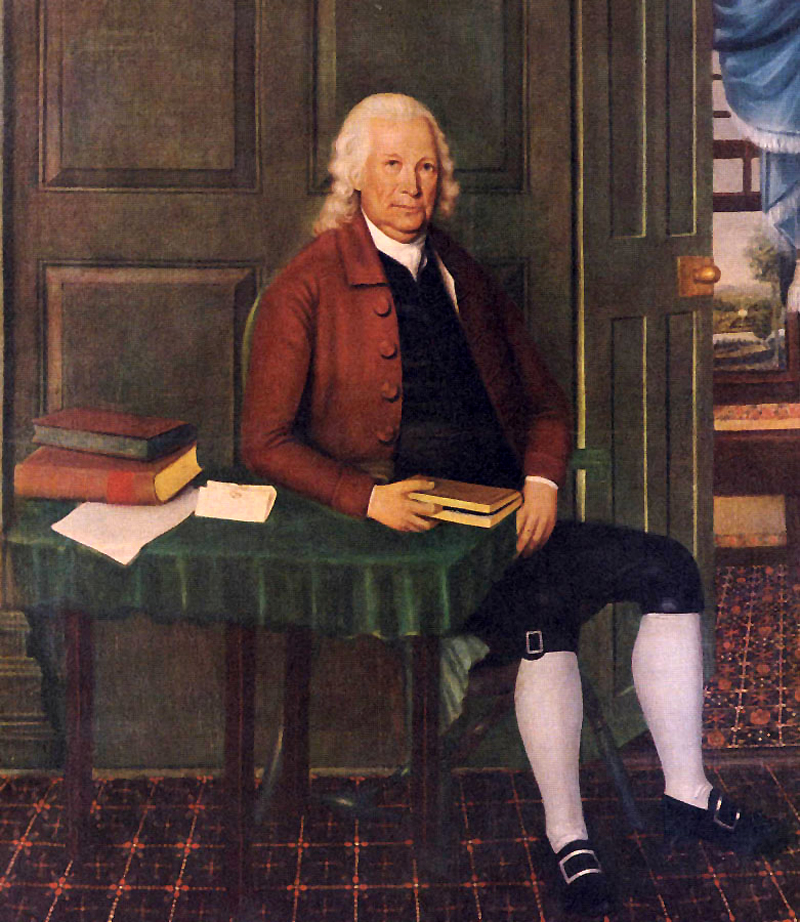
The term Legitimation, as defined in Peter Berger’s The Social Construction of Reality is “this process of ‘explaining’ and justifying.” In this instance, legitimation takes the form of spoken language, and allows Jack to rationalize his place at Exeter. He reasons that because he is good at discussion, one of the key parts of becoming an Exonian according to many students interviewed by Fernandez, he deserves to be at Exeter.
is Florida State a good school?
is Florida State a good school?
Post admission, and the legitimation of their own personal place in the ranks of Exeter students, individuals continue to construct their cultural identity through language. “Language might be called the domain of articulations … Language can also be compared with a sheet of paper: thought is the front and the sound the back; one cannot cut the front without cutting the back at the same time.”
Furthermore, Language becomes connected to thoughts. Which are key to internalizing a particular cultural identity. The word that Fernandez found most intertwined to the cultural identity of Exeter students is “smart”. A good way to see this becomes through the constructing of boundaries between groups on campus. Who become considered “smart”, and those considered not. “Students use the category of PG as a way to distinguish and draw boundaries around themselves as Westonians who are smart and work hard.” The word smart becomes associated with exclusively students who are not of the PG category.
Since most students view PGs as “Weston students who are not Westonians”. As a result, distinguishing themselves from PGs thus makes a student more “Westonian”.

In essence, language becomes used to reinforce their cultural identity as Westonian. As a result of separating themselves from the group considered not to be. In addition to language, there is another underlying anthropological concept in this method of cultural identification. It is framing. Frames “are mental structures that shape the way we see the world.” An example of a frame would be that Ethan is a PG, so Ethan is dumb. It allows individuals to reinforce their own ideas about culture.
Culture has no unilateral definition.


is Florida State a good school?
is Florida State a good school?
However, the case study of Phillips Exeter provides great insight into what exactly culture has manifest itself into. Additionally how it becomes constructed. Furthermore, students at Exeter begin as outsiders. Thus, begin the creation of their cultural identity as Exonians upon acceptance to the institution. From there, they legitimize their presence.
In conclusion, language structures to separate themselves from those considered not Exonian. And thus, more closely associating themselves with the term. Furthermore, it is a process that takes time, as culture is not instantaneous. Lastly, through what they think, what they do, and what they make. Lastly, Exeter students slowly come to associate themselves with the cultural identity of an Exeter student, being Exonian.
is Florida State a good school?
is Florida State a good school?
Phillips Exeter Academy | Exeter
https://www.solomonadmissions.com/phillips-exeter-academy-admissions
How to Get Into Phillips Exeter Academy – Test Innovators
Phillips Exeter Academy – Acceptance Rate, Tuition, Ranking, and More – collegegazette.com
is University of Tsukuba good? (rebellionresearch.com)
Most Selective Boarding Schools in America (businessinsider.com)
is University of Auckland good? (rebellionresearch.com)
Smith College | Knowledge. Generosity. Community.
is Southeast University a good school? – Rebellion Research
2022-2023 Best Colleges | College Rankings and Data | US News Education
Compare Campus and Online Colleges,
is South China University of Technology good? (rebellionresearch.com)
Universities & Career Schools | CompareTopSchools.com
is Trinity College Dublin good? (rebellionresearch.com)
is HEC Paris a good school? (rebellionresearch.com)
is Nankai a good university? (rebellionresearch.com)
Best Colleges 2023 | College Ranking List | The Princeton Review
is Jilin University good? (rebellionresearch.com)
Forbes America’s Top Colleges List 2022
is University of Cincinnati a good school? (rebellionresearch.com)
is Northeastern University a good school? (rebellionresearch.com)
University of Massachusetts-Amherst – Tuition & Fees, Net Price (collegetuitioncompare.com)
is University of Reading good? (rebellionresearch.com)
is Maastricht University good? (rebellionresearch.com)
https://www.topuniversities.com/


