

The University of Lahore commonly referred to as UOL, is a significant private university in Lahore, Pakistan. Established in 1999, it has rapidly grown to become one of the prominent institutions of higher education in the country. This comprehensive essay explores the university’s history, academic structure, contributions to education and research, campus life, and its broader impact on society and the education sector in Pakistan.
History and Establishment
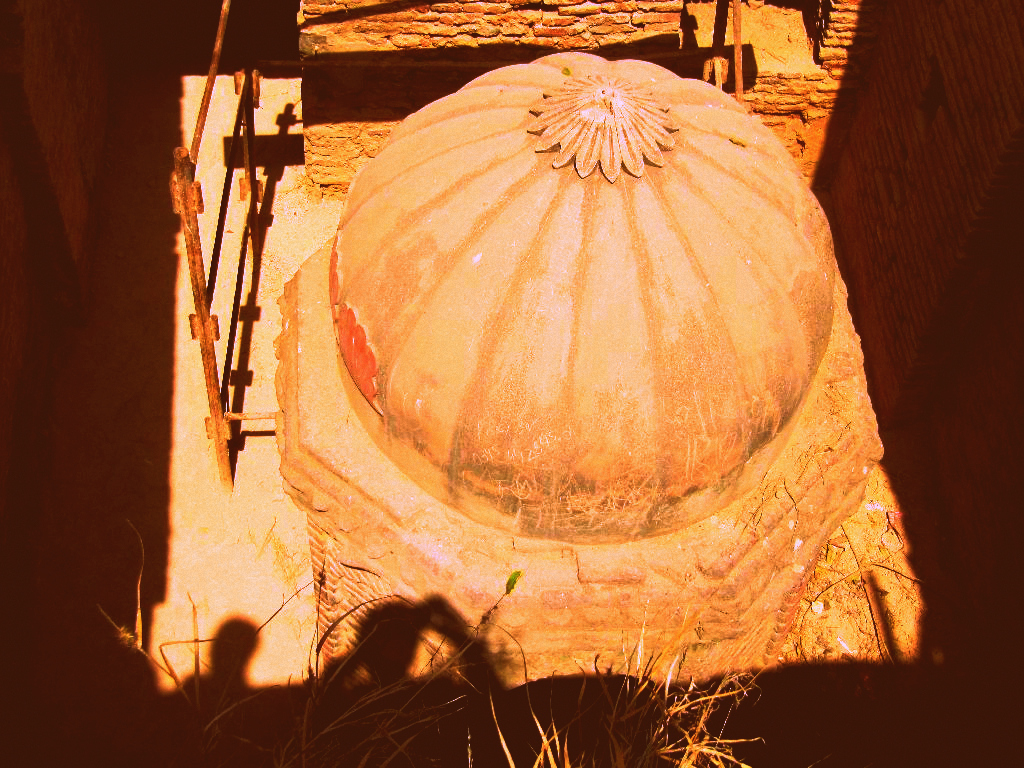

The Lava Temple at the Lahore Fort dates from the Sikh period,[81] and is dedicated to the Hindu deity Lava
The University of Lahore was established in 1999, initially formed as a college and gaining university status in 2002. Its founding was part of a broader movement in Pakistan to expand higher education and make it accessible to a larger segment of the population. The university started with a modest set of programs and has since expanded into a diverse institution offering a wide array of disciplines.
Academic Structure and Programs
UOL offers an extensive range of programs across various fields, including Medicine, Engineering, Arts, Sciences, Information Technology, and Social Sciences. The university is structured into several faculties and schools, each specializing in different areas of study. These faculties become equipped with modern facilities and laboratories to support practical and research-oriented learning.


Wazir Khan Mosque painting by William Carpenter (1866)
William Carpenter – https://collections.vam.ac.uk/item/O108194/the-musjid-of-wazeer-ali-painting-carpenter-william/
The University of Lahore became known for its strong focus on research and development. It encourages both faculty members and students to engage in research activities, contributing significantly to academic journals and conferences.
Campus and Facilities
The main campus of UOL, situated in Lahore, with additional campuses in Islamabad and Sargodha. The Lahore campus is notable for its state-of-the-art infrastructure, including well-equipped classrooms, laboratories, libraries, and sports facilities. The campus layout is designed to provide a conducive environment for learning and extracurricular activities.
Contribution to Education and Research


The Shah Alami area of Lahore’s Walled City in 1890
UOL has made substantial contributions to higher education in Pakistan. It has been instrumental in providing quality education and producing graduates who are well-equipped to contribute to various sectors of the country. In addition, the university’s research output is significant, particularly in fields such as medicine, engineering, and information technology.
Campus Life and Student Activities
Campus life at UOL is vibrant and diverse. The university hosts various cultural, academic, and sports events throughout the year. Student societies and clubs play a crucial role in fostering a sense of community and belonging among students. Additionally, these activities are not only vital for personal development but also prepare students for the professional world by enhancing their leadership and teamwork skills.
Broader Impact and Recognition


Lahore as seen from International Space Station. River Ravi flows from North to West. The city is rapidly growing towards the south.
The University of Lahore has gained recognition both nationally and internationally for its academic excellence. It has established collaborations with various international universities, enhancing its global presence and offering students and faculty opportunities for international exposure.
Challenges and Future Prospects
Like many private universities in developing countries, UOL faces challenges such as ensuring the accessibility of education to all segments of society and maintaining high standards of education. The university is continuously working on expanding its academic programs and enhancing its research capabilities to meet these challenges.