


Jawaharlal Nehru University (JNU)
Let’s dive in!
Jawaharlal Nehru University (JNU), located in New Delhi, India, is a highly regarded public university known for its academic rigor, diverse student body, and vibrant campus life. Established in 1969 and named after India’s first Prime Minister, the university has consistently been a center of excellence in teaching and research.
Academic Strength and Diversity

JNU is renowned for its strengths in various academic fields, including the liberal arts, applied sciences, engineering, and management studies. The university has made significant strides in expanding its academic offerings, introducing engineering and management studies, including an MBA program in 2019. The university’s academic approach is characterized by an emphasis on creativity, self-exploration, and a departure from rote learning.
Research and Global Prestige


Jawaharlal Nehru University Logo: The symbol represents international academic exchange and onwards search of knowledge for the betterment of humankind. The overlapping circular segments of the design denote global interaction, creating a flame emitting enlightenment, this flame emerges out of the traditional Indian ‘diya’ (lamp)-a source of Light, Understanding and Brotherhood. The design is also representative of the rose-bud closely associated with the name of Pt. Jawaharlal Nehru. Description from https://www.jnu.ac.in/sites/default/files/jnunews/JNUNews_Nov-Dec_2014.pdf. Jawaharlal Nehru University – https://www.jnu.ac.in/main/img/webtheme-logo.png

JNU holds a significant position in global academic rankings. It is ranked between 601-610 in the QS World University Rankings 2024 and is also highly ranked in various subjects like Chemistry, Environmental Science, and Arts & Humanities. The university is recognized for its substantial research output and contributions, particularly in STEM fields, liberal arts, and social sciences.
Acceptance Rate and Competitive Admissions
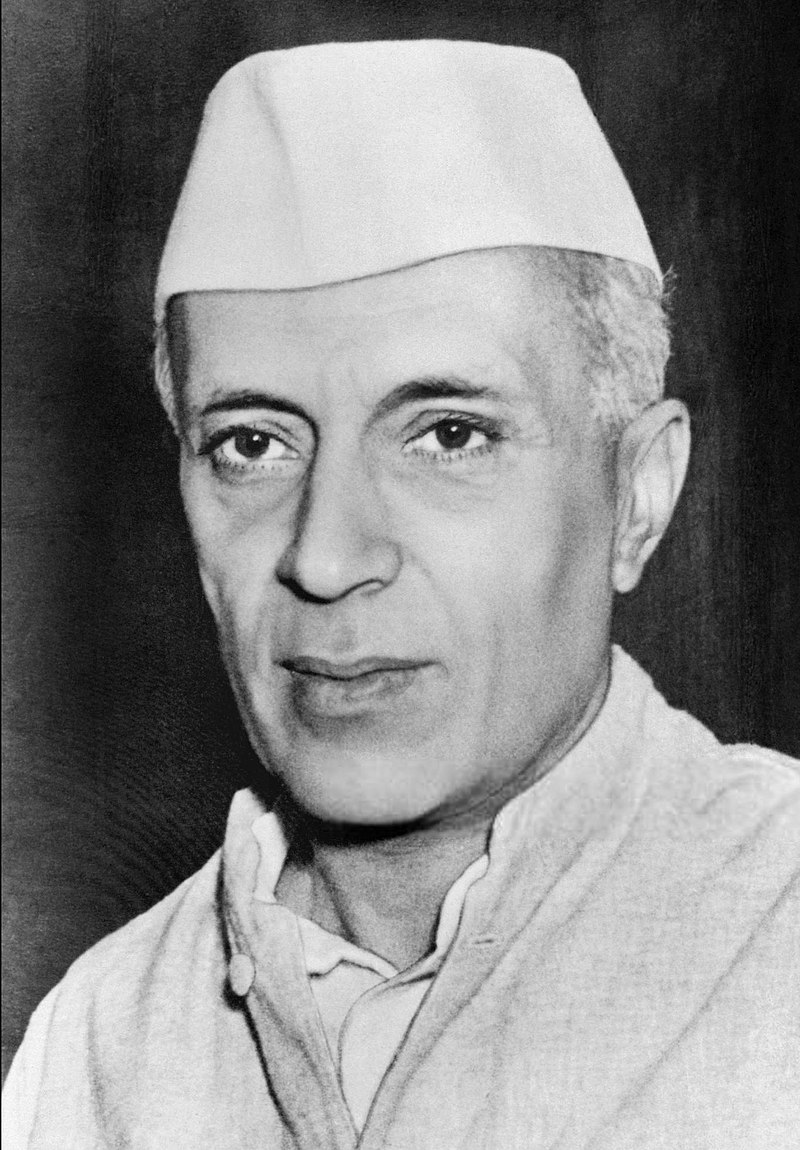
Jawaharlal Nehru, Former Prime Minister of the Republic of India
Admissions at JNU are highly competitive, with a rigorous selection process. In 2018, the university had 108,192 applicants for approximately 3,000 places, indicating a low acceptance rate and a high demand for its programs.
Campus and Facilities
JNU’s campus spans over 1,000 acres in the Aravalli hill range, featuring lush greenery and diverse wildlife, making it a serene learning environment. The campus is known for its unique architectural style and state-of-the-art facilities, including well-equipped laboratories, sports complexes, and a rich library system. Hostel facilities are available, fostering a close-knit community among students and faculty.
Student Life and Culture
The university is celebrated for its vibrant and politically active student culture, with students from various parts of India and abroad, making it a melting pot of diverse cultures and ideas. Campus life at JNU is dynamic, with numerous cultural events, debates, and seminars, contributing to a rich educational experience.
Notable Alumni
JNU’s alumni network includes prominent figures in various fields, such as Nora Fatehi, Nirmala Sitharaman, Kanhaiya Kumar, and Maneka Gandhi, highlighting the university’s impact on its graduates’ professional and personal development.
Value for Money and Scholarships
JNU offers education at relatively affordable fees, making it accessible to a wide range of students. Scholarships and financial aid are available to support students in their academic pursuits.