

Aluminum vs Steel: Which is the Best Option for Your Products?

Image Source: Pexels
When selecting an ideal material for your products, aluminum and steel are two top contenders that spring to mind.
Both materials have their unique benefits and specific applications. But choosing between them can be a challenging task.
With that in mind, let’s look at their unique characteristics, as well as the factors that come into play when working with them, so you can make an informed decision.
Understanding Key Properties of Aluminum
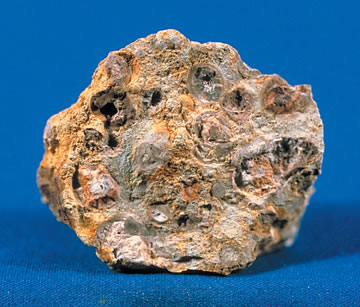
bauxite
Aluminum stands out for its high strength-to-weight ratio, an attribute that makes it a favorable choice in many industries. In particular, it shines in the aerospace and automotive industry where lightness is critical for fuel efficiency.

More details. Aluminum silicate. Dave Dyet http://www.shutterstone.com http://www.dyet.com – Own work
Besides being lightweight yet strong, aluminum displays excellent resistance to corrosion due to its oxide layer. This means products made from aluminum have increased durability and longevity.
Moreover, aluminum offers exceptional thermal and electrical conductivity properties. It’s highly efficient in conducting heat or electricity, opening up opportunities for diverse applications such as power cables or heat sinks.
However, on the flip side, despite being durable and flexible, aluminum does hold certain shortcomings compared to steel. Overall it has a lower strength than steel, and a higher cost. These are factors you need to take into account when deciding between these two materials.
Getting Aluminium Products Manufactured Fast
One substantial advantage of aluminum lies in its manufacturing speed. Owing to its malleability and lower melting point compared to steel, shaping products from aluminum tends to be quicker and more efficient.
Furthermore, outsourcing to an aluminum CNC service can significantly streamline the fabrication process leading to faster production times without sacrificing precision or quality. Investing in these services could resultantly shorten your product’s time-to-market and optimize manufacturing costs.
Studying the Strengths of Using Steel
Steel, often considered the go-to material in manufacturing, has earned its reputation due to several intrinsic qualities. To begin with, steel tops most metals for overall strength and durability. It can bear heavy loads over time without deformation, making it an ideal choice for large structures or high-stress components.
Moreover, relative to aluminum, steel is less expensive and widely available anywhere on earth, which are key considerations when managing budgets and supply chain reliability.
In terms of downsides though, steel falls behind aluminum in weight efficiency. Its extra weight could pose challenges, particularly in industries where lightness matters, such as aviation or automotive manufacturing. Added to this is the problem of corrosion, as unlike aluminum which naturally resists oxidation, unprotected steel may rust over time.
Making Your Final Material Decision
Deciding between aluminum and steel for your product involves evaluating several factors. Here are some key considerations to help you make the right choice:
- Weight efficiency: If weight is critical, aluminum’s superior strength-to-weight ratio might be more beneficial.
- Cost-effectiveness: Generally, steel costs less than aluminum. If budgetary constraints matter, this could influence your decision.
- Strength requirements: For products that need ultimate durability and longevity, steel’s overall strength makes it a worthy contender.
- Corrosion resistance needs: Do your components need enhanced protection against rust? Aluminum may score higher points here due to its natural oxidation resistance.
- Manufacturing speed: Need fast production times? Consider aluminum’s swiftness in fabrication or making use of an outsourced CNC service.
Reflect on these aspects along with specific requirements for your project to guide your final material selection process.
Wrapping Up
As you now know, both aluminum and steel carry distinct advantages catering to different applications. Your final choice should hinge on the specific requirements of your project, weighing factors like cost, strength, weight efficiency, rust resistance and production speed. Digging into these criteria will give you the decision you’re looking for.


